E-Ink Technology: An Overview
What is E-Ink?
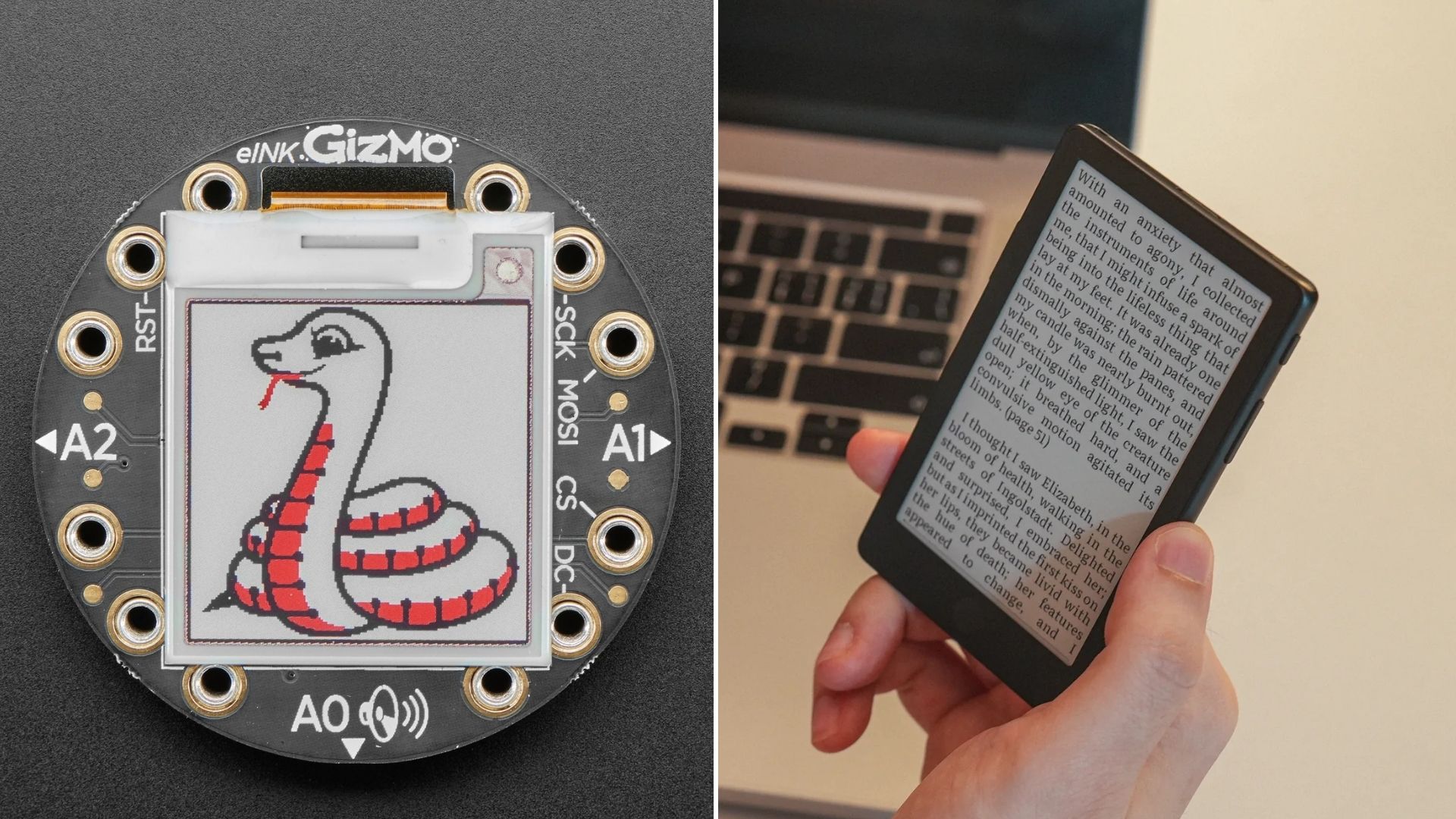
E-ink displays mimic the appearance of paper, offering advantages like readability in bright sunlight and minimal power consumption. This technology, known as electrophoretic display (EPD), is utilized in various devices including e-readers and digital signage.
How It Works
Tiny Capsules of Pigment
At the core of e-ink technology are microscopic capsules containing a clear fluid and charged pigment particles. In a typical setup, these capsules have black and white particles, each with opposite electrical charges. By controlling electric fields, the display can manipulate which particles appear at the surface, enabling the visual content.
Electrophoresis
The movement of particles in response to an electric field, known as electrophoresis, is fundamental to how e-ink works. This principle allows images to be formed and changed on the screen.
Key Features
No Backlight
Unlike LCD or OLED screens that emit light, e-ink displays reflect ambient light. This characteristic enhances visibility outdoors, making e-readers easier to use in bright conditions. Although some e-readers include a front light for low-light environments, e-ink itself relies on external lighting.
Bistability
A notable feature of electrophoretic displays is their ability to maintain an image without ongoing power. Once the particles are positioned, they remain there until intentionally changed, enabling long battery life.
Refresh Rate and Limitations
Slower Refresh Rates
E-ink displays generally have slower refresh rates compared to LCD or OLED screens because they physically move particles rather than controlling light. However, modern e-ink can update a full display in approximately 120 milliseconds, which is sufficient for reading but not for fast-moving visuals or video games.
Color E-Ink
Color variants of e-ink use different particles or display technologies to achieve a wider color range. However, these displays often do not match the brightness or refresh capabilities of traditional color screens.
Conclusion: The Value of E-Ink
E-ink is not intended to replace conventional screens but serves a specific purpose well. Its strengths lie in its reflective properties, low power consumption, and ability to retain images without power. This makes it particularly suited for reading materials, labels, and low-animation content in a world filled with high-intensity displays.


