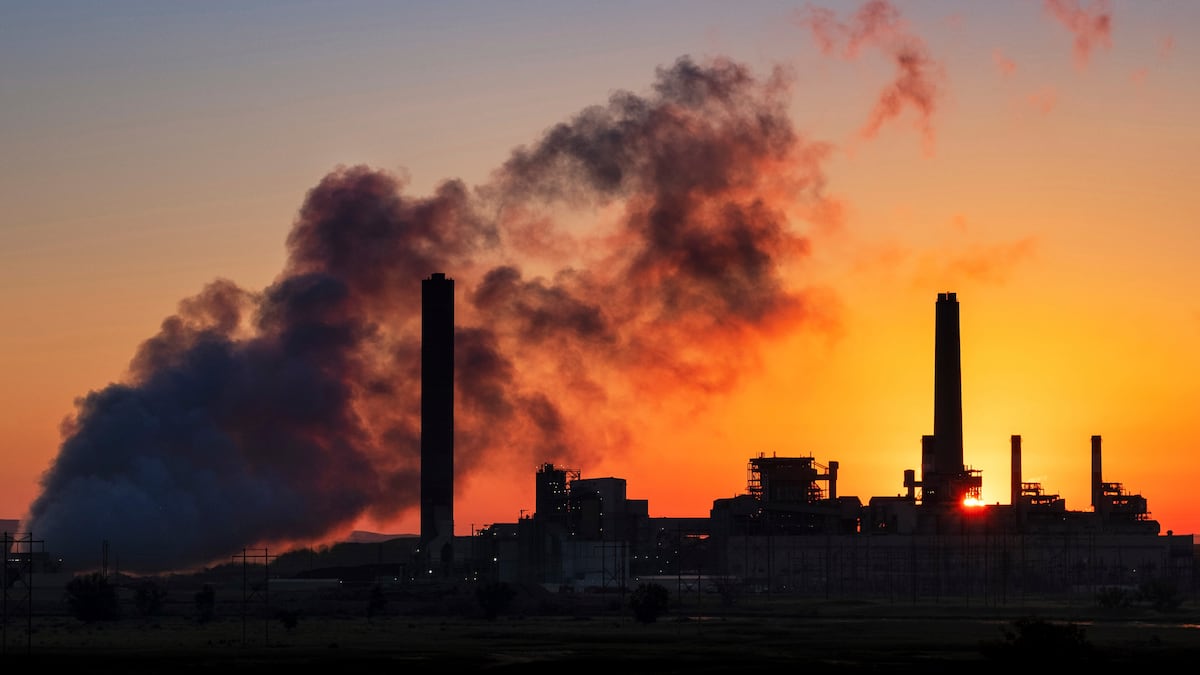
The Trump administration has announced the repeal of regulations limiting greenhouse gas emissions from fossil fuel-fired power plants, which the Environmental Protection Agency (EPA) describes as the largest deregulatory action in U.S. power sector history. This move rescinds rules implemented during the Biden administration requiring coal and natural gas plants to significantly cut carbon dioxide emissions by the 2030s, a measure seen as crucial for addressing climate change.
EPA Administrator Lee Zeldin criticized previous policies for contributing to increased energy costs and argued that the new directive aims to restore energy potential by removing restrictions on coal and natural gas. In contrast, environmental advocates caution that this rollback will elevate air pollutants affecting public health and climate.
Historically, efforts to regulate power plant emissions have been met with legal challenges. The Obama administration’s Clean Power Plan aimed to reduce emissions significantly, but faced hurdles that prevented its implementation. The Affordable Clean Energy rule, developed under Trump, relaxed these limitations, prompting Biden’s ambitious goals for eliminating climate pollution from the power sector by 2035.
The decision to repeal these regulations occurs amid growing concerns regarding climate change, particularly as recent months have seen record-high global temperatures. Experts emphasize the urgent need for comprehensive climate action as the world faces intensifying climate events.


