Newly Confirmed Impact Crater Discovered in Quebec
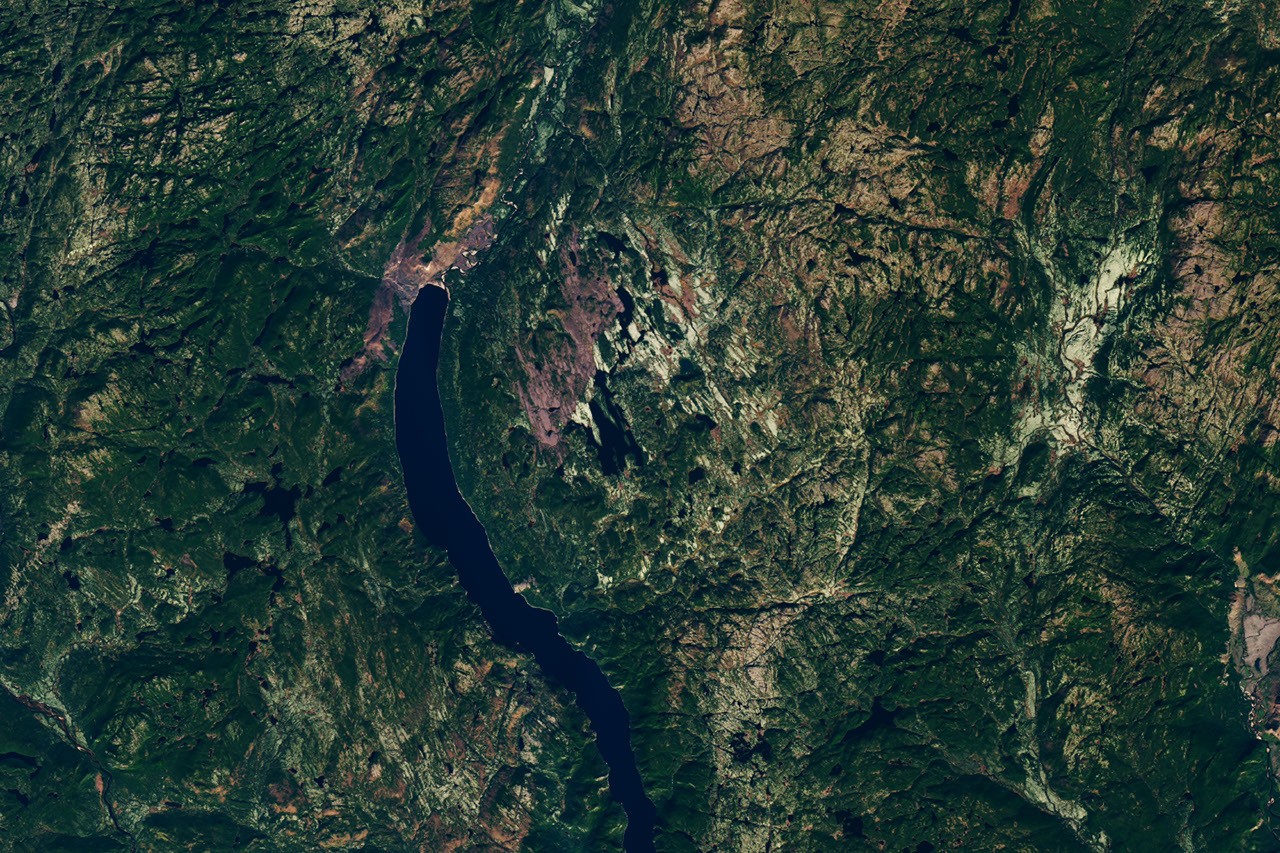
A recent exploration led by a team of scientists has confirmed the existence of a new impact crater in Quebec, adding to the roughly 200 confirmed impact structures on Earth. This discovery was initiated by Joël Lapointe, an amateur astronomer who, while preparing for a camping trip in the remote Côte-Nord region, observed a circular feature near Lake Marsal on satellite maps. His curiosity prompted him to reach out to experts, which ultimately resulted in a significant scientific expedition.
Key Findings:
-
Crater Size and Age: The crater, now named Uhackatik, spans approximately 25 kilometers (16 miles) and dates back around 390 million years, predating a notable surge in asteroid impacts on Earth.
-
Field Investigation and Evidence: Initially skeptical, renowned planetary geologist Gordon Osinski organized an expedition in October 2025 to investigate the site. The researchers faced challenging terrain but discovered shatter cones—distinctive features indicating an impact event. This finding served as unequivocal proof of the crater’s nature.
-
Potential Impact: The researchers underscored the potential catastrophic effects of a similar-sized object hitting Earth today, describing how it could lead to widespread devastation and significant climate impacts.
-
Official Recognition: Following consultations with local Indigenous groups, the crater is set to be formally recognized by the Meteoritical Society’s committee. It is the largest impact crater discovered since the Hiawatha structure was identified in 2018.
Citizen Science Encouraged: Lapointe’s discovery highlights the role of citizen scientists in contributing to important scientific advancements. He encourages others to trust their instincts and observations, even outside their areas of expertise.
This discovery not only enhances our understanding of Earth’s impact history but also opens the door for future investigations into other undiscovered craters with citizen science initiatives supported by organizations like NASA.


