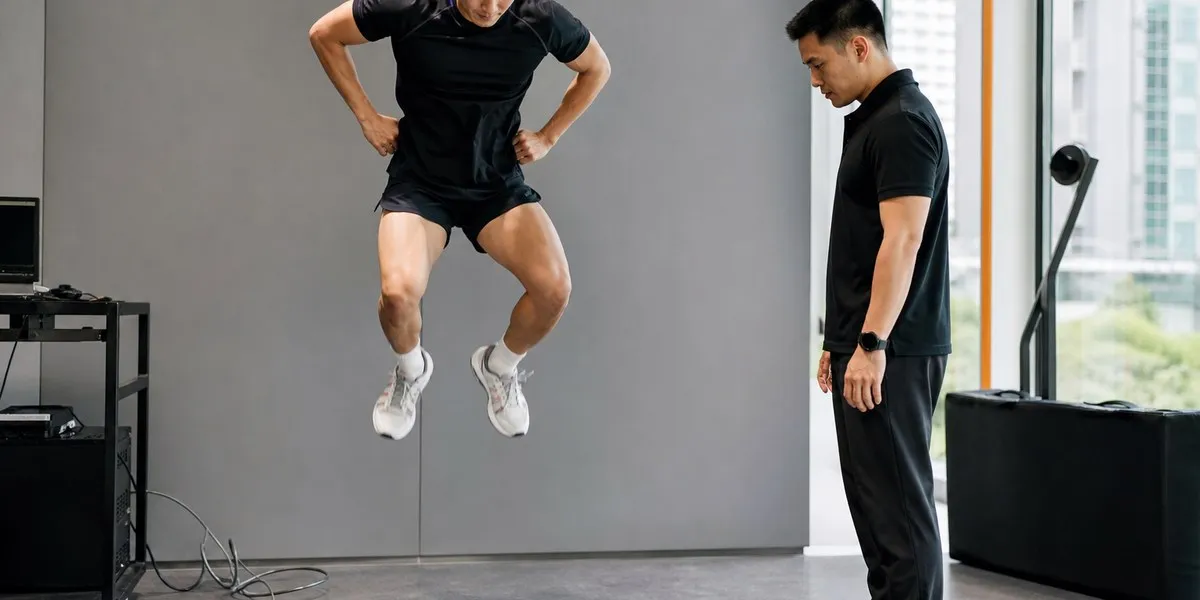
In Singapore, top-level athletes are leveraging sports science and technology to gain even minor advantages in performance. The SportSG Institute of High Performance Sport employs various disciplines—physiology, strength and conditioning, psychology, and performance analysis—to pinpoint areas for improvement. This data-driven approach complements athletes’ and coaches’ observations, allowing for more informed training and competition decisions.
### Data for Personalised Training
According to Low Chee Yong, head of sports science and sports medicine, even a 1–2% gain can be crucial for medal contention. However, simply collecting metrics isn’t sufficient; these need to be translated into specific training adjustments, as a uniform strategy may not fit every athlete.
Physiological tests assess heart rate, oxygen consumption, and power output to help coaches identify optimal training loads and monitor athletes’ physical conditions.
### Monitoring Fatigue and Tactical Analysis
Tools like force platforms measure jump height and force differentials between body sides, helping coaches identify fatigue levels that may necessitate modifications in training intensity. Performance analytics also facilitate studying opponents’ strategies and movements.
Athletes can train in specially designed chambers that emulate various environmental conditions, aiding in performance without the fatigue of thermoregulation.
### Athletes’ Psychological State
Psychologist Shermaine Low emphasizes that behavioral changes or declining performance can indicate stress or struggle under pressure, with public expectations often adding to this stress.
For further insights and updates, you can visit the channels provided or download their mobile app.


