Researchers at Southern Illinois University are exploring an innovative approach to tackle plastic pollution and food insecurity by engineering yeast to convert plastic and agricultural waste into edible ingredients. This method not only addresses difficult waste disposal but also provides potential food solutions in resource-limited areas, such as disaster zones or deep space missions.
The research stems from a NASA-led project aimed at producing food for astronauts in deep space where traditional supply chains are unavailable. The scientists focus on polyethylene terephthalate (PET), a common plastic, which they aim to break down into carbon-rich molecules that yeast can transform into proteins and vitamins.
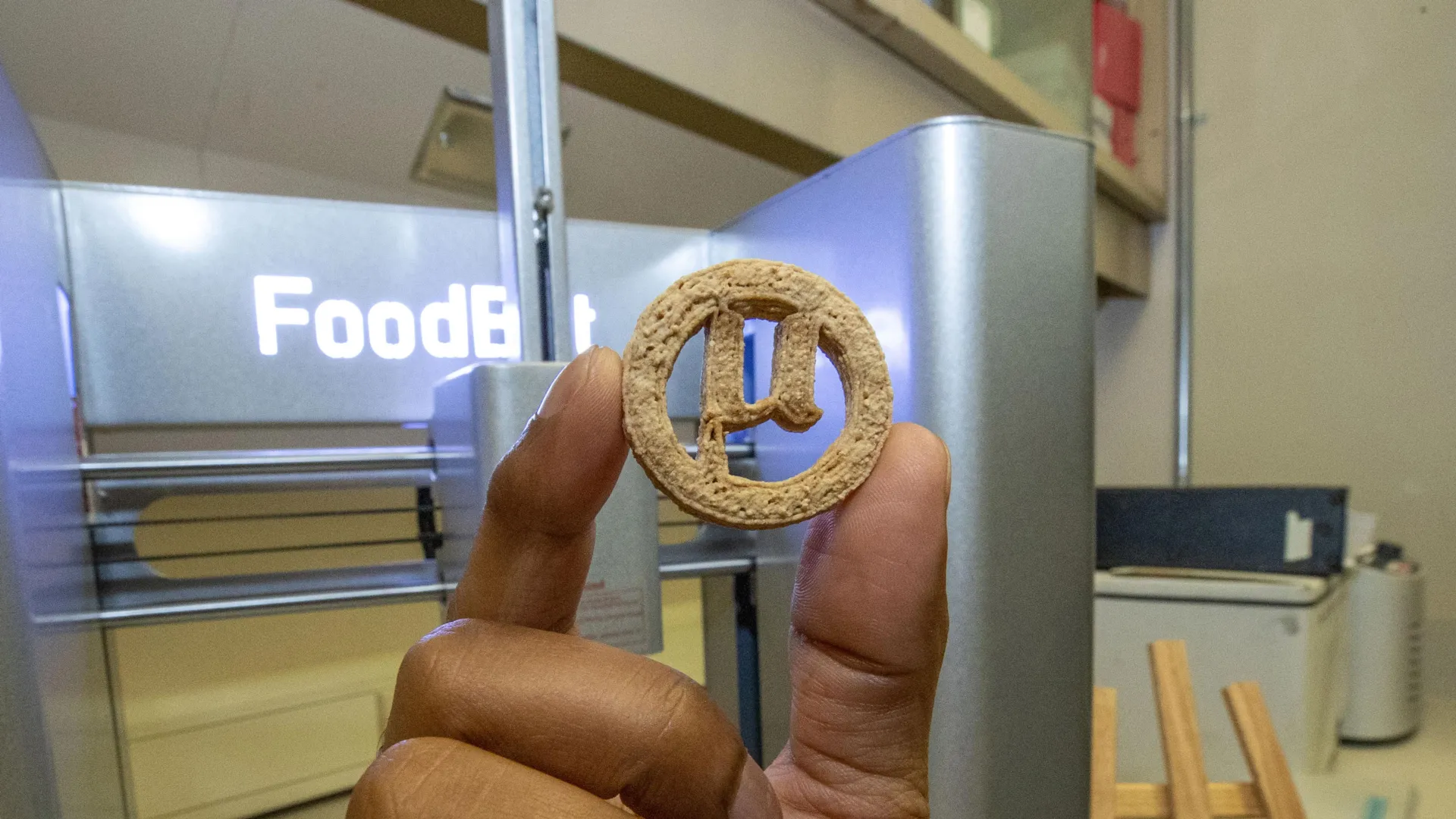
Using a proprietary technique called oxidative hydrothermal dissolution, they process waste materials like plastic and corn stalks into simpler compounds accessible to engineered yeast. The yeast then produce new food components, culminating in a 3D printed product known as µBites (microbites), which are protein-rich cookies.
Initial evaluations show promise, with participants expressing willingness to try the cookies in food-scarce situations, and further enhancements are underway to improve their taste and appeal. The team aspires to make µBites a viable option for public consumption within a few years, especially in challenging environments, highlighting the potential of microbes to address future global food demands as they are expected to rise significantly by 2050.


