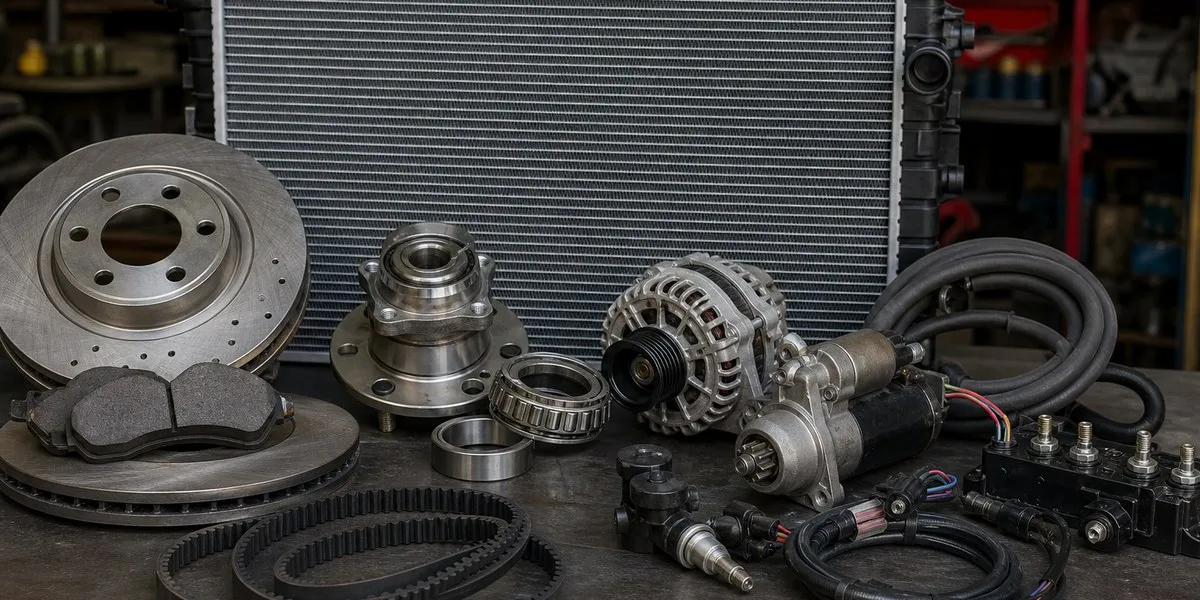
The proposed Automotive and Auto Parts Manufacturing Policy 2026–31 in Pakistan aims to enhance the local automotive industry’s focus on domestic value addition, exports, competition, and technological advancement rather than merely increasing vehicle assembly.
Key Highlights:
-
Export Targets:
- Passenger car manufacturers must export 12% of their factory production by 2029–2030.
- Parts manufacturers have a target of $700 million in exports by 2030–2031.
- Total projected exports by the program’s end: $1.58 billion in vehicles and components, and $4.59 billion over five years.
-
Value Addition Goals:
- Minimum domestic value addition for traditional vehicles should reach 40% by 2030–2031.
- Current local production lacks high-value components and competitive supply chains, suggesting continued reliance on imports for advanced automotive parts.
-
Market Challenges:
- The domestic market is small, with about 200,000 vehicles sold annually amid numerous brands and models, making it hard for parts manufacturers to cover costs for specialized tools.
- However, with a fleet of 5 million vehicles (including trucks and buses), there’s demand for maintenance parts that could help parts manufacturers scale their production.
-
Tariff Reductions:
- The draft policy suggests a gradual reduction of automotive tariffs and the elimination of added duties, promoting competition that could lead local manufacturers to match imported goods in price and quality.
This strategic shift from assembly to component production could position Pakistan’s automotive sector for sustainable growth and global competitiveness, although it faces significant barriers regarding technology and supply chains.

