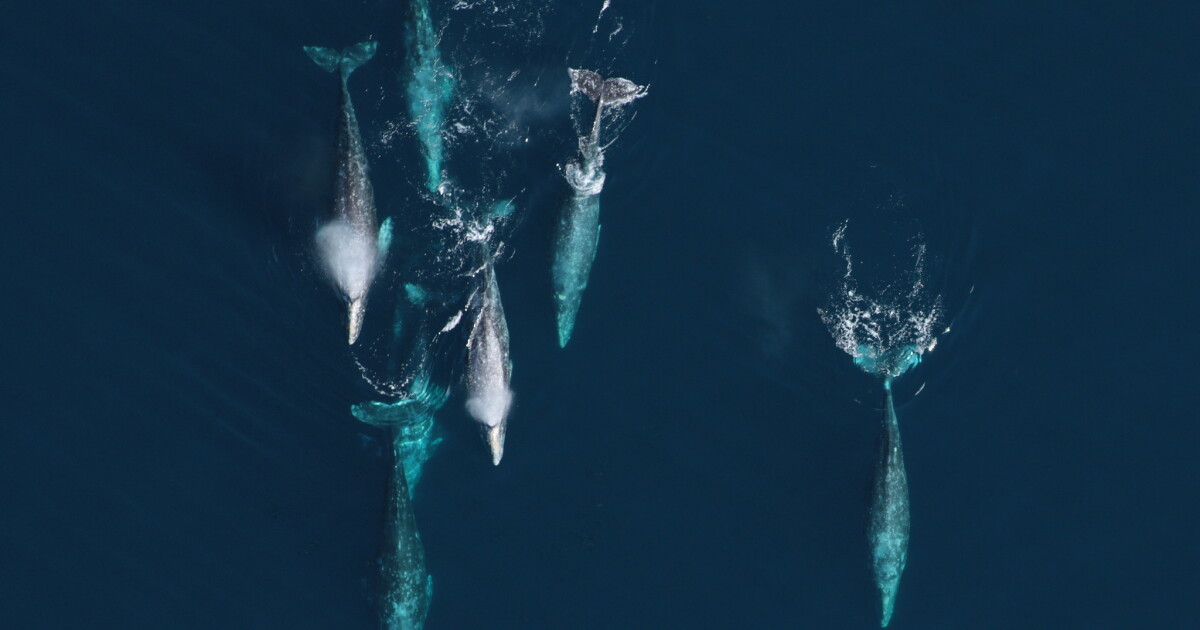
The Pacific gray whale is facing significant challenges, as highlighted by recent discussions at the Range-Wide Gray Whale Science Symposium held at Oregon State University’s Hatfield Marine Science Center. With the population down more than 30% from its peak of around 27,000 in the past decade, estimates currently place the gray whale population at about 16,000. This decline has raised concerns among researchers regarding their long-term survival, especially as the species adapts to changing environmental factors.
Key Points from the Symposium:
-
Population Concerns:
- The gray whale population has dramatically declined, prompting alarm among the scientific community. Despite a current extinction risk appearing low, the overall health of the population is worrisome.
- An unprecedented number of strandings, particularly emaciated individuals, have been reported, indicating poor health and food scarcity related to changing Arctic conditions.
-
Feeding Challenges:
- The disappearance of crucial Arctic sea ice affects the availability of prey such as amphipods, which are vital to gray whale nutrition during migrations.
- Only eight mother whales with calves were spotted in known breeding lagoons, a significant drop from past years.
-
Human Impact:
- The Trump administration’s science policies and budget cuts have raised concerns over reduced scientific staffing and funding, potentially exacerbating the challenges facing marine ecology research.
- With increasing animal strandings and a potential new mortality event on the horizon, researchers emphasize the need for a clearer understanding of the causes behind gray whale mortality.
-
Adaptive Strategies:
- Despite challenges, gray whales display resilience by adapting their feeding habits, exploring new temporary feeding grounds, indicating a degree of flexibility in their behavior.
- Researchers are using advanced technology and AI to monitor these adaptations, although the risks associated with human interactions in these new feeding areas are notable.
-
Future Outlook:
- The long-term survival of gray whales remains uncertain, largely dependent on their ability to find food and adapt to a rapidly changing environment.
- Continued vigilance and research will be necessary to unravel the complex dynamics affecting this iconic species.
Researchers at the symposium expressed cautious optimism while emphasizing that ongoing monitoring and adaptive strategies will be essential for the gray whale’s future amid environmental changes and human challenges.


