Here’s a summarized version of the content on magnesium supplements and anxiety:
Magnesium and Anxiety
Dr. Naidoo suggests that magnesium supplements may help alleviate anxious thoughts. Starting the day with a full glass of water can also combat dehydration, contributing to reduced anxiety levels.
Risks and Side Effects of Magnesium Supplements
Common side effects of magnesium supplements include:
- Diarrhea
- Abdominal cramping
- Nausea
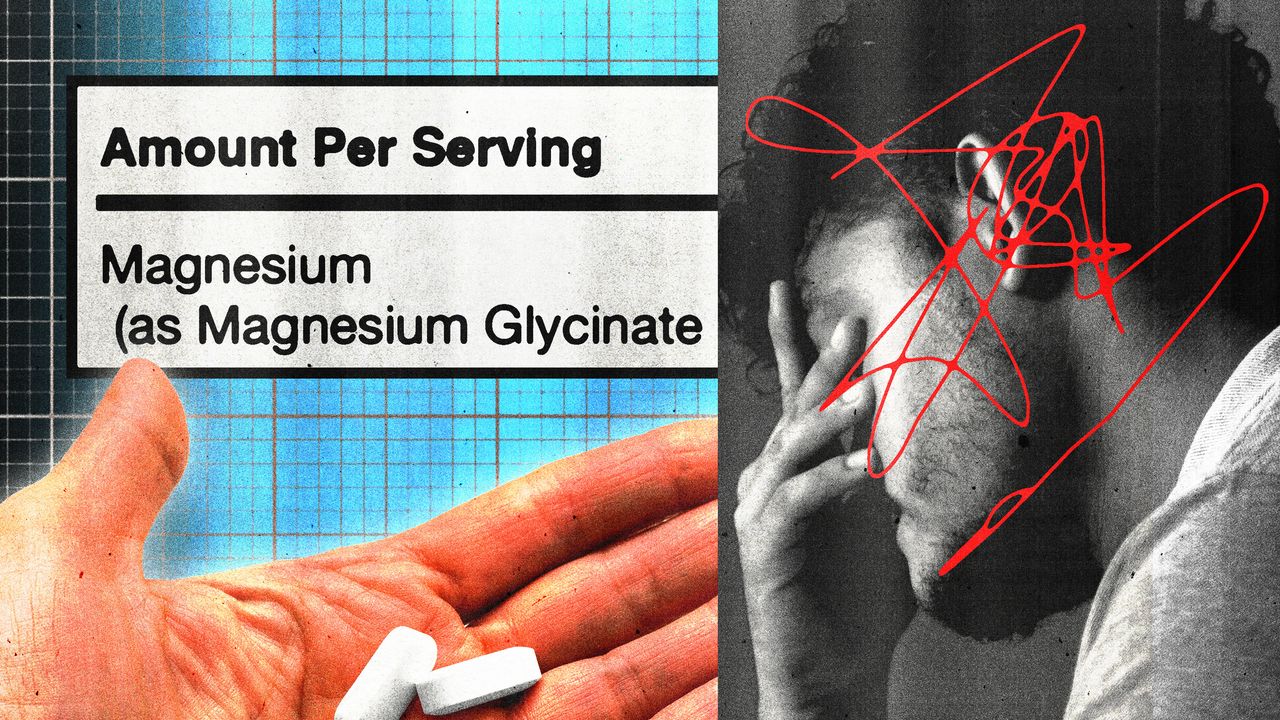
Magnesium Glycinate is one of the best-tolerated forms, causing fewer side effects than other types like magnesium citrate or oxide, which can lead to looser stools.
Tips for Mitigating Side Effects:
- Lower the dose to 100-200 mg if experiencing gastrointestinal distress.
- Take supplements with food.
Safety Considerations:
- Generally safe when third-party tested, but those with kidney disease should consult a healthcare provider before starting.
- Safe to take alongside anti-anxiety medications, but spacing out the timing is advisable to avoid absorption issues.
Limitations of Magnesium for Anxiety
While magnesium is important for health, it is not a standalone treatment for anxiety. It can aid in managing anxiety but should not replace evidence-based treatments like therapy or medications. Anxiety is influenced by a variety of factors, and magnesium supplementation may not lead to significant changes in diagnosed anxiety disorders.
Conclusion
Incorporating magnesium through diet and possibly supplements can support overall well-being, but it’s essential to address anxiety with comprehensive treatment strategies.