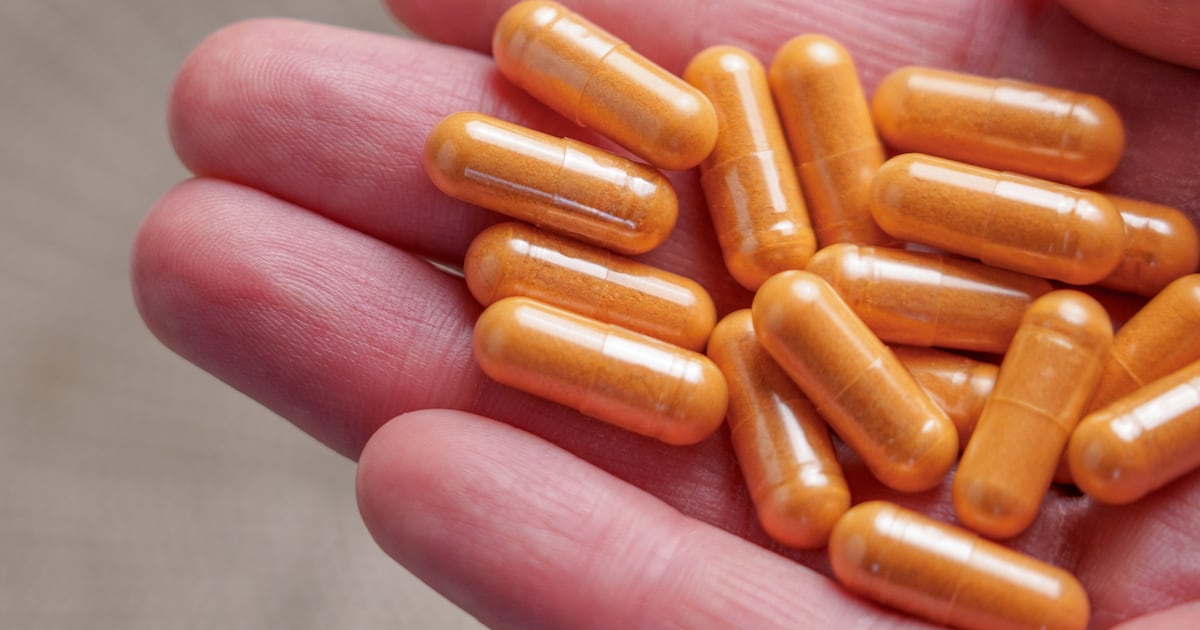
The drug preclusion clause restricts certain ingredients from being used in dietary supplements if they’ve previously been associated with drugs that were either the first to market or studied for drug uses. This has caused significant uncertainty for manufacturers due to undisclosed investigational drug filings by the FDA.
Recently, the FDA has used this clause to exclude ingredients like NAC, NMN, and CBD from supplements. NAC, for instance, had a long-standing presence in the supplement market before being challenged by the FDA.
Congresswoman Diana Harshbarger has introduced a bill aimed at clarifying and amending these regulations, citing that the current drug preclusion system hinders both innovation and consumer access. The proposed Dietary Supplement Innovation Act includes several key provisions:
-
Narrowing FDA’s exclusions: Ingredients marketed as supplements or in food before October 15, 1994, or those whose drug development has been abandoned for at least seven years, would remain eligible for supplements.
-
Raising the threshold for preclusion: Higher standards would be set for triggering drug preclusion, focusing on substances involved in advanced clinical trials rather than earlier studies.
-
Considering differences in usage: The FDA would be required to evaluate differences between drug and supplement versions of an ingredient based on various factors, including safety profiles.
-
Legal pathway to challenge FDA decisions: The bill would enable manufacturers to contest FDA drug-preclusion decisions through the courts.
-
Removing preclusion language from the definition of dietary supplements: This aims to clarify what qualifies as a dietary supplement.
Stakeholder groups, including the Consumer Healthcare Products Association and the Council for Responsible Nutrition, have expressed support for the bill, stating it creates necessary regulatory clarity without undermining FDA authority. However, there are concerns that the bill does not fully address critical areas needing reform, particularly existing misunderstandings around dietary supplement innovation.
For a full copy of the bill, click here.