AstroRad: Pioneering Space Radiation Protection
As humanity embarks on ambitious missions to the Moon and Mars, we face unique challenges not encountered on Earth. One significant concern is the exposure to high-energy particles during solar storms. To address this, Israeli company StemRad, in collaboration with Lockheed Martin and the Israel Space Agency, developed the AstroRad protective vest.
Origins and Technology
The concept for AstroRad emerged after the Fukushima nuclear disaster in 2011, leading StemRad to create the GAMMA 360 technology. This vest protects emergency personnel from gamma radiation by shielding only the most vulnerable areas of the body. When adapting this idea for space, the challenge shifted to addressing different radiation types, requiring innovative materials and designs.
Material and Design
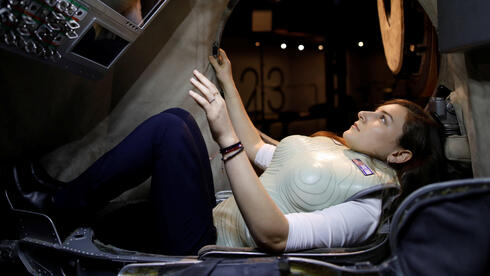
AstroRad is constructed from hydrogen-rich materials, particularly high-density polyethylene, effective at mitigating exposure to damaging solar storm particles. The vest features varying thickness tailored to protect sensitive organs such as lungs, stomach, ovaries, and bone marrow.
Bone marrow is crucial since it produces blood cells; high ionizing radiation exposure can severely impair its function, hindering the body’s ability to regenerate blood cells and fight infections.
Functionality During Solar Storms
AstroRad offers significant protection while avoiding the bulkiness of traditional shielding, allowing astronauts to move fluidly. This mobility is vital during long-lasting solar storms, enabling crew members to continue operations while minimizing radiation exposure to critical organs.
Testing and Results
The vest’s engineering prowess was first tested in 2019 aboard the International Space Station, where astronauts assessed its comfort, mobility, and ergonomics in microgravity.
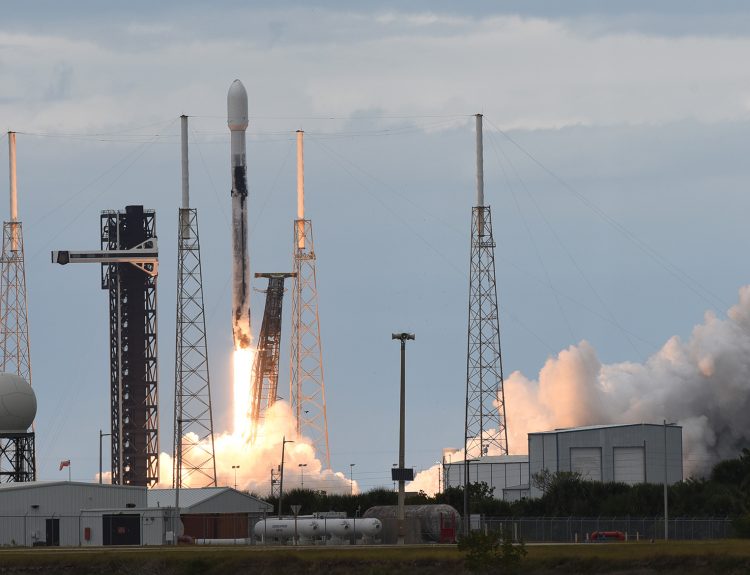
The critical examination occurred during the 2022 Artemis I mission, where mannequins “Zohar” (wearing the vest) and “Helga” (without) measured radiation exposure over a 25-day mission beyond the Moon. A recent study published in Science Advances indicated that AstroRad could reduce radiation doses to various organs by 40% to over 60%, depending on the radiation intensity.
Conclusion
AstroRad represents a leap forward in the field of space safety, having been tested aboard the ISS and during deep-space conditions. While it doesn’t eliminate radiation risks entirely, its ability to significantly reduce exposure marks a crucial step toward safer human exploration of the cosmos.