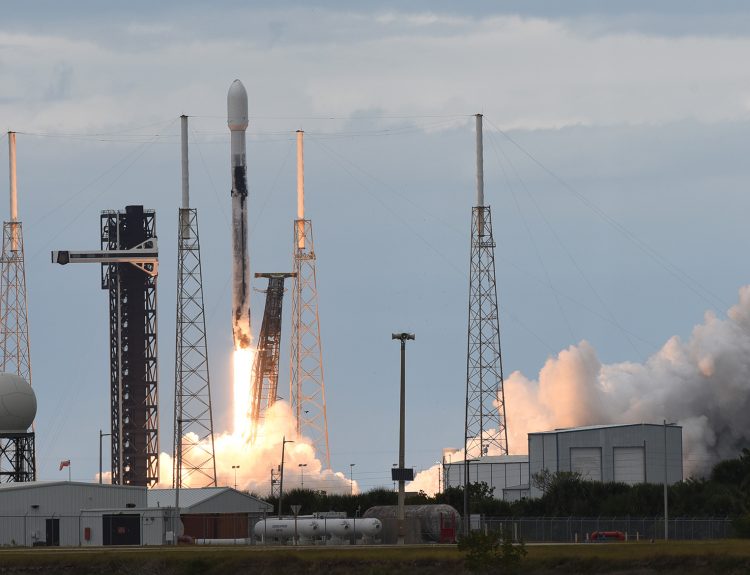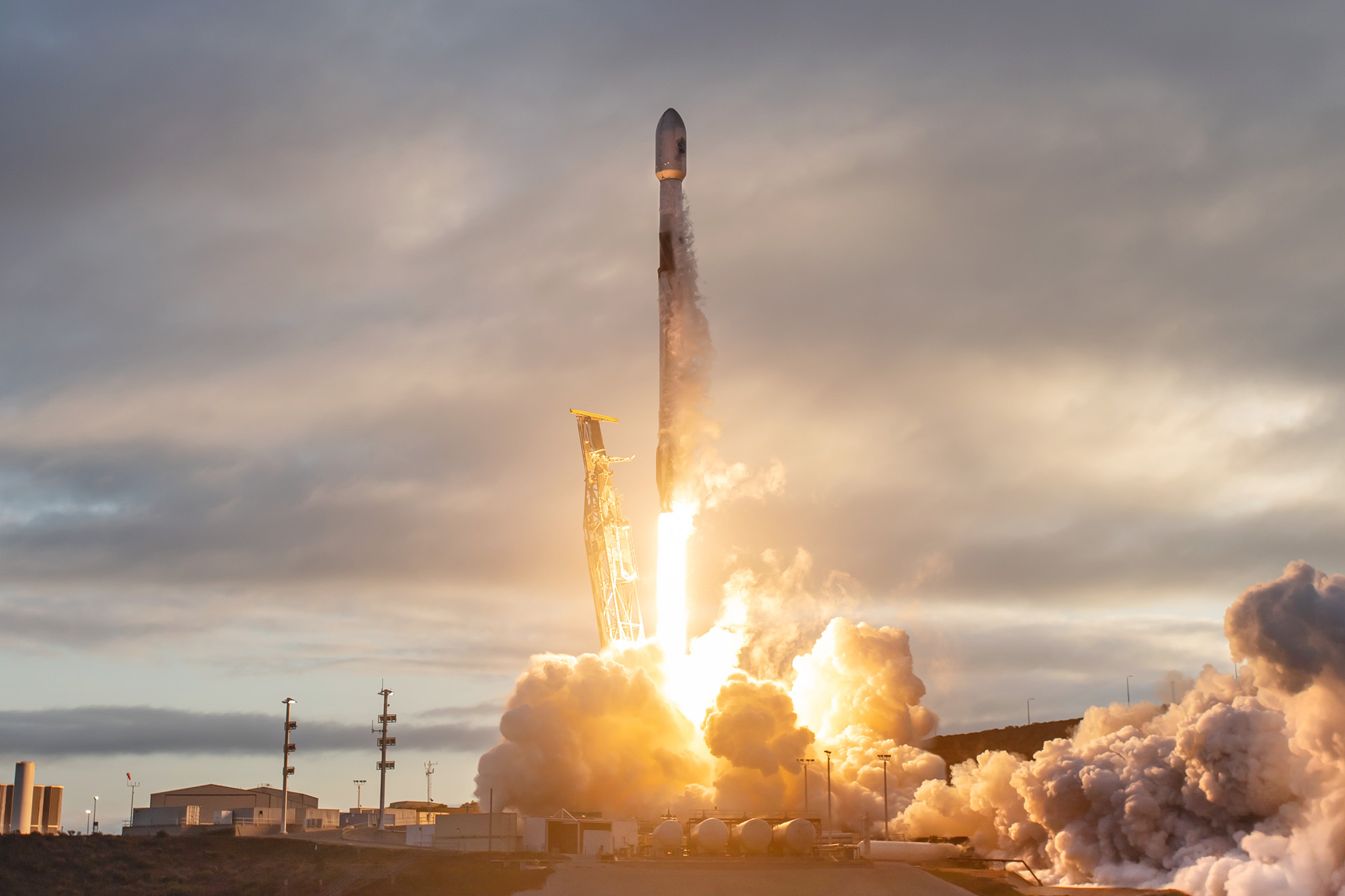
The Space Force anticipates a significant increase in its National Security Space Launch (NSSL) program, with projections for 91 additional missions and an estimated cost rise of nearly $17 billion by fiscal 2032. According to the latest acquisition report, the program’s total procurement is expected to reach $76 billion covering 337 launches from fiscal 2004 to 2032.
Despite growth in demand for launches, the average cost per launch is decreasing markedly, dropping from approximately $422 million in 2022 to around $192 million now. The demand surge is primarily driven by the need for a large number of satellites to enhance national security capabilities, including communications and missile warnings.
To respond effectively, the Space Force plans to expand its NSSL contracts significantly. This includes tripling the budget for “Lane 1” missions to $17 billion and increasing the number of planned launches from around 60 to roughly 170 over five years. Additionally, “Lane 2” missions, which carry higher-value payloads, will increase by 25 missions.
Recent contracts, including major awards to SpaceX for constructing satellite constellations, indicate that several new surveillance and reconnaissance projects are underway. Programs like Golden Dome, a missile defense system, will also benefit from the expanding launch capability.
However, scheduling challenges remain due to grounded rockets, notably ULA’s Vulcan and Blue Origin’s New Glenn. Currently, only SpaceX’s Falcon 9 and Falcon Heavy are available for upcoming NSSL missions, which may lead to potential delays in key satellite launches. Brig. Gen. Eric Zarybnisky has expressed concerns about timelines, highlighting the urgency of the missions at hand.