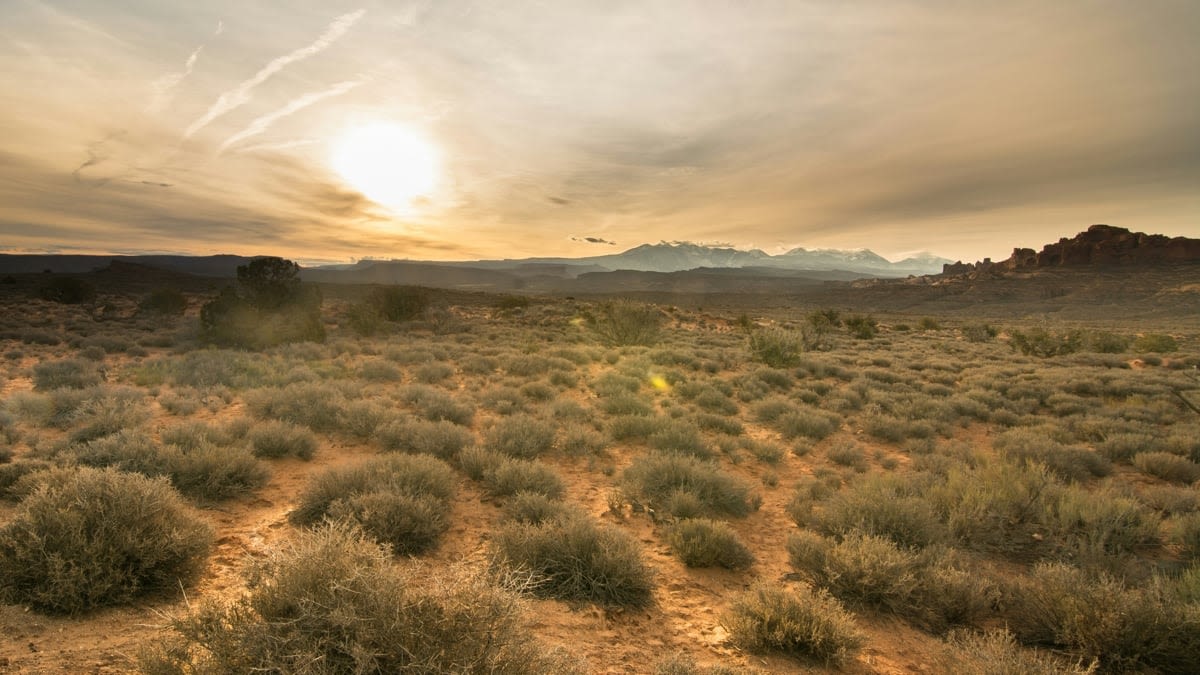
As global temperatures rise, the world’s driest regions are expected to become even drier, potentially transforming landscapes and eliminating plant life unable to adapt. Projections indicate that by the end of the 21st century, drylands could cover over 40% of Earth’s land area. Surprisingly, researchers note that rising CO₂ levels, a significant driver of climate change, may be slowing this expansion of drylands.
Drylands, characterized by significant water scarcity, are defined by an aridity index that compares precipitation to potential evapotranspiration. The study emphasizes the need for updated assessments to guide climate adaptation and sustainable development, as expanding dryland conditions can lead to increased water scarcity and ecosystem degradation.
Utilizing updated climate models, researchers mapped current dryland distributions and projected future changes, finding that drylands currently comprise about 38.58% of Earth’s land. Depending on greenhouse gas emissions scenarios, this figure may increase to between 39.31% and 40.28% by 2100, with the most significant changes expected in Australia and Brazil.
The findings highlight the importance of accounting for the effects of increasing atmospheric CO₂ on plant transpiration, which has been overlooked in many past studies, thus affecting overall climate projections. For further details, the full study is published in Environmental Research Letters.