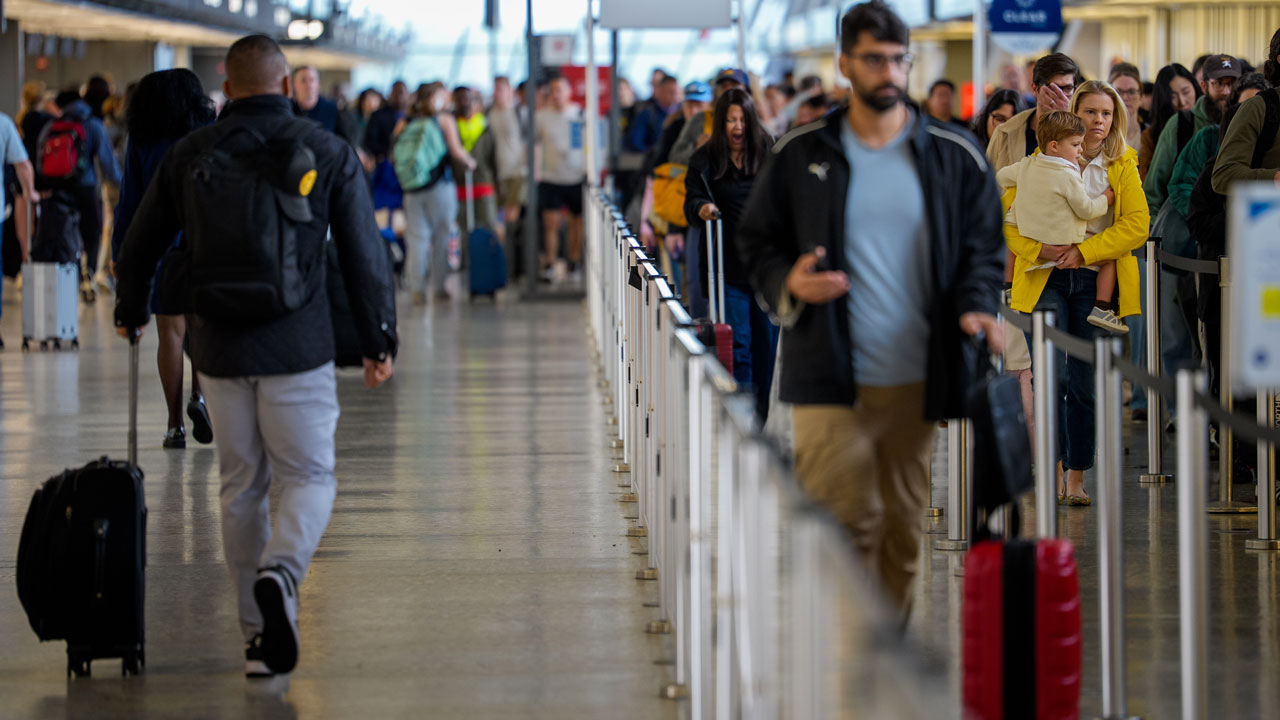
Summary of Air Travel Trends Amid Economic Pressures
Overview
Despite rising costs attributed to the Iran war and an unstable economy, Americans demonstrated a strong desire to travel by air. This was further supported by the Trump administration’s efforts to modernize the air traffic control system.
Travel Demand
- Continued Air Travel: Americans showed resilience in air travel, with record-breaking demand in July.
- Passenger Volume: More than 17 million travelers are expected during the Labor Day travel period, indicating robust interest in flying.
- Fare Increases: Airline fares rose 2.2% in July and were 25.5% higher compared to the previous year.
Economic Context
- Fuel Costs: Airlines faced a significant $24 billion increase in fuel expenses due to the Iran conflict, leading some airlines to raise fares and adjust routes.
- Contrasting Global Trends: In contrast, passenger traffic at Dubai International Airport saw a decline of over 30% due to the conflict.
Infrastructure Overhaul
- Funding for Modernization: The Department of Transportation received $12.5 billion for air traffic control system modernization.
- Technological Advancements: The FAA has initiated several projects to replace outdated equipment and improve safety measures, including the installation of new radar systems.
- Addressing Controller Shortages: More than 2,000 air traffic controllers have been hired to meet increasing demands.
Future Projections
- The FAA expects flight traffic to potentially double in the next two decades, making ongoing investments in the aviation system crucial.
Conclusion
Ultimately, while external pressures exist, the demand for air travel remains strong, underpinned by significant investments in infrastructure and a proactive approach to air traffic management.