The article discusses a fascinating new study published in Nature Aging, which reveals that the aging process in the human body is highly variable and non-linear. Conducted by researchers from the Sanford Burnham Prebys Medical Discovery Institute, the study analyzed over 25,000 microscope images of tissues from 970 organ donors aged 21 to 70.
Key findings include:
-
Different Aging Rates: Various organs and tissues age at different rates. For example:
- Blood vessels experience steady aging until the 30s, after which they age rapidly.
- The uterus and vagina are stable until rapid changes occur in the 50s.
- Most tissues age in two key waves, with significant changes in the 30s and 50s.
-
Ovarian Changes: The structural changes in ovaries peak around ages 35-40 and again at 55-60, correlating with fertility decline and menopause. These changes are associated with inflammation, reduced cell growth, lower energy production, and decreased self-repair capacity.
-
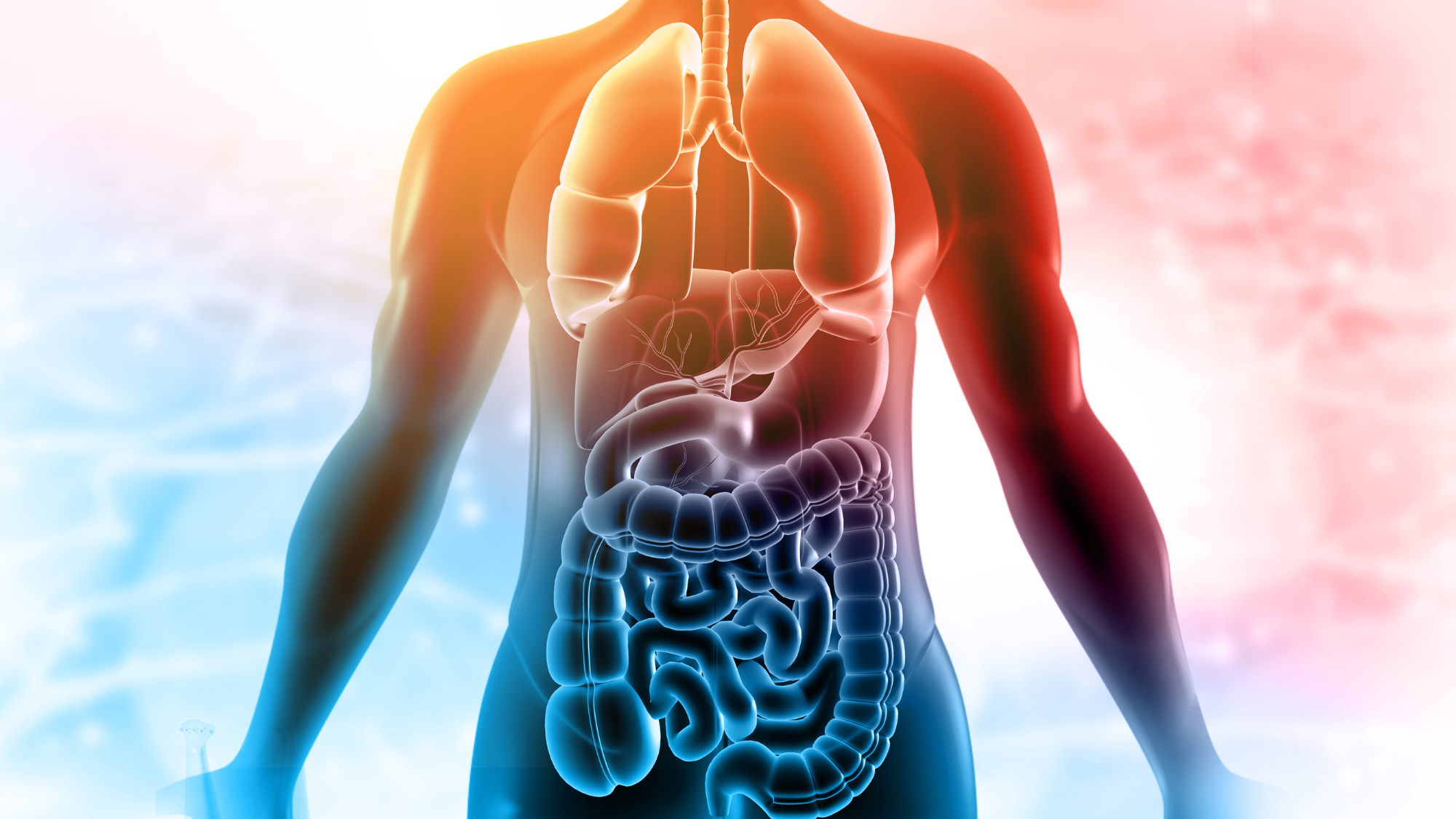
Connections Between Organs: An interesting link was identified between the aging of the digestive system and male reproductive organs. Accelerated aging in the esophagus and colon was correlated with changes in the prostate, hinting at potential hormonal or biological connections.
Overall, the study emphasizes that aging is a complex and individualized process that cannot be solely defined by chronological age, as each organ progresses at its own pace.