Highlights of the Study on Dormant Cancer Cells in Breast Tumors
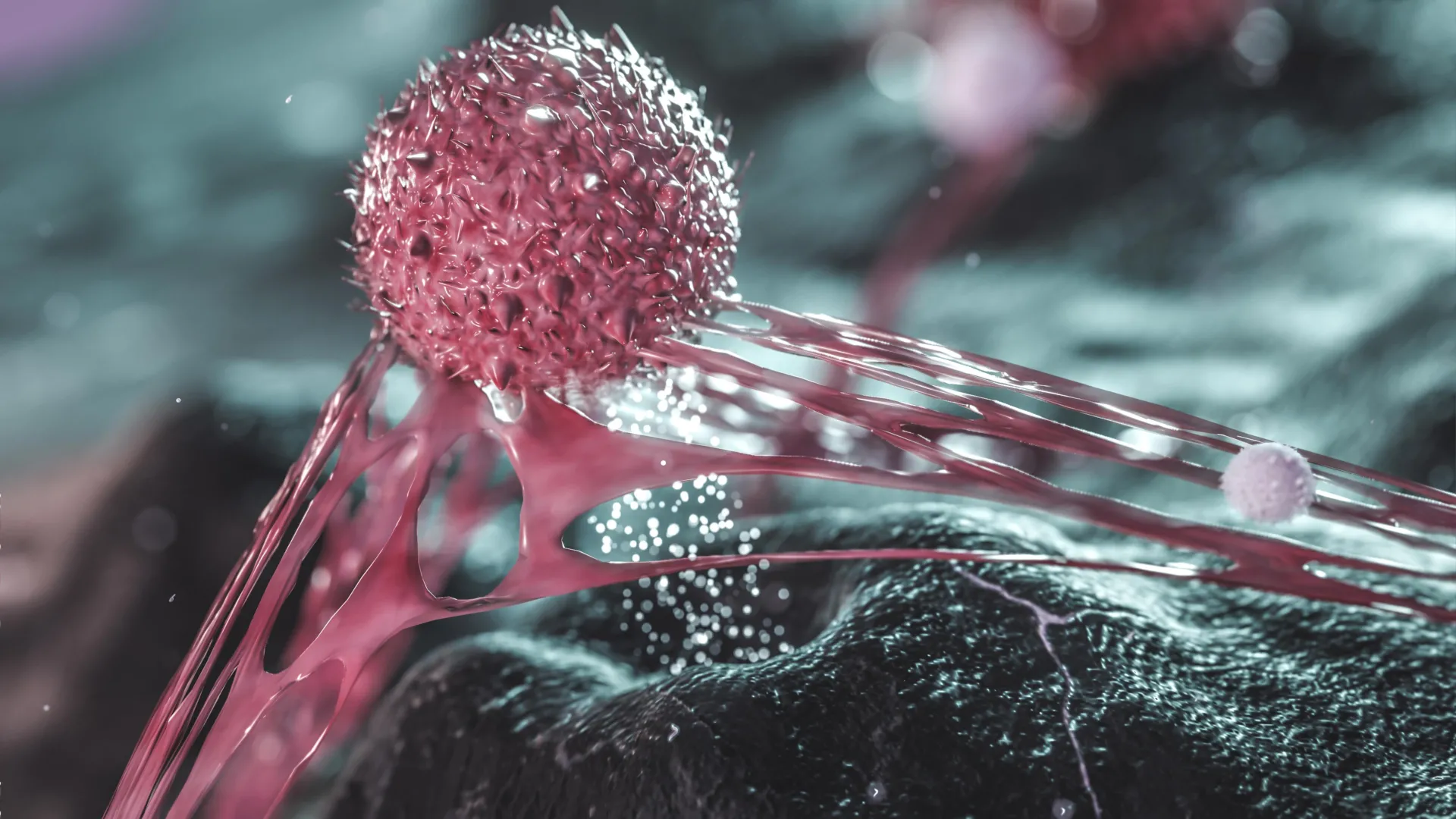
Researchers from the MRC Laboratory of Medical Sciences, Imperial College London, and UCL Genetics Institute have produced a detailed map of breast tumors, identifying areas dominated by both actively dividing and dormant (quiescent) cancer cells. Published in Genome Medicine, these findings stress the need for cancer therapies to target not just rapidly multiplying cells but also these less active ones, which may contribute to recurrence after treatment.
Key Findings
-
Tumor Complexity: Breast tumors consist of various cell types, including immune cells, blood vessels, and dangerous dormant cancer cells that can evade treatment.
-
Quiescent Cell Risk: Dormant cancer cells can survive therapies and may reactivate later to promote tumor growth. They often enter a quiescent state due to unfavorable conditions (e.g., poor blood flow and nutrient delivery during rapid tumor growth).
-
Mapping Technique: Researchers combined single-cell RNA sequencing with spatial transcriptomics to create detailed cellular maps of tumors, revealing clusters of quiescent cells surrounded by protective immune and support cells.
-
Therapy Resistance: Some dormant cells exhibited characteristics of therapy resistance even before treatment, hinting at a more complex interaction between tumor cells and their surrounding environments.
-
Protective Microenvironments: Dormant cells are frequently found near CXCL10-positive macrophages and myofibroblasts, suggesting these support cells may shield quiescent cells from immune attacks and therapies.
-
Treatment Implications: Since different regions of tumors may respond uniquely to therapies, targeting both actively dividing and dormant cells could enhance treatment effectiveness.
-
Future Directions: Further research is required to validate these findings and explore potential treatments that could address both quiescent and proliferative cancer cells simultaneously.
By expanding our understanding of quiescent cancer cells and their associated microenvironments, this research could lead to the development of more effective cancer treatment strategies that minimize the risk of relapse.