The Path to European Space Sovereignty: Multilateral Coopetition
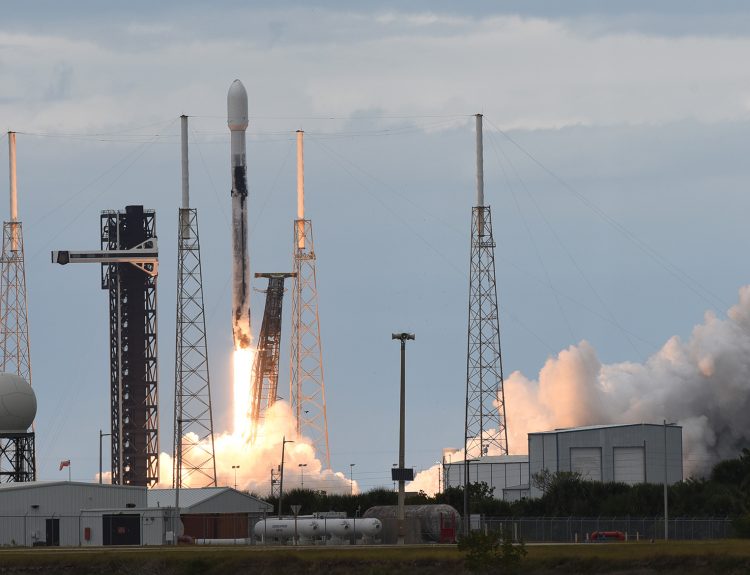
“Seeing the Earth from above is a powerful reminder of our interdependence,” says Thomas Pesquet, France’s tenth astronaut. His words resonate as the world’s aerospace industry gathers for the first-ever International Space Summit in Paris on September 9-10. The summit offers a platform to showcase European ambitions in space, primarily through France’s National Space Strategy 2025-2040. More importantly, it serves as a reminder that Europe’s greatest space achievements have arisen from cooperation rather than competition.
The New Space Race
As a new space race unfolds, characterized by increased rivalry among EU member states and unprecedented industrial interdependence, Europe is compelled to adopt a model of multilateral “coopetition,” blending cooperation and competition. Key European programs—Galileo, Copernicus, Clean Sky, and IRIS²—demonstrate the need for collaboration to achieve sovereignty in space.
A Record Investment
In 2025, global space spending is expected to reach a staggering $137 billion, highlighting the collective appetite for advancements in the sector. However, mastering the entire space value chain remains elusive for any individual state, agency, or company—underscoring the necessity for cooperation.
Notable Collaborations
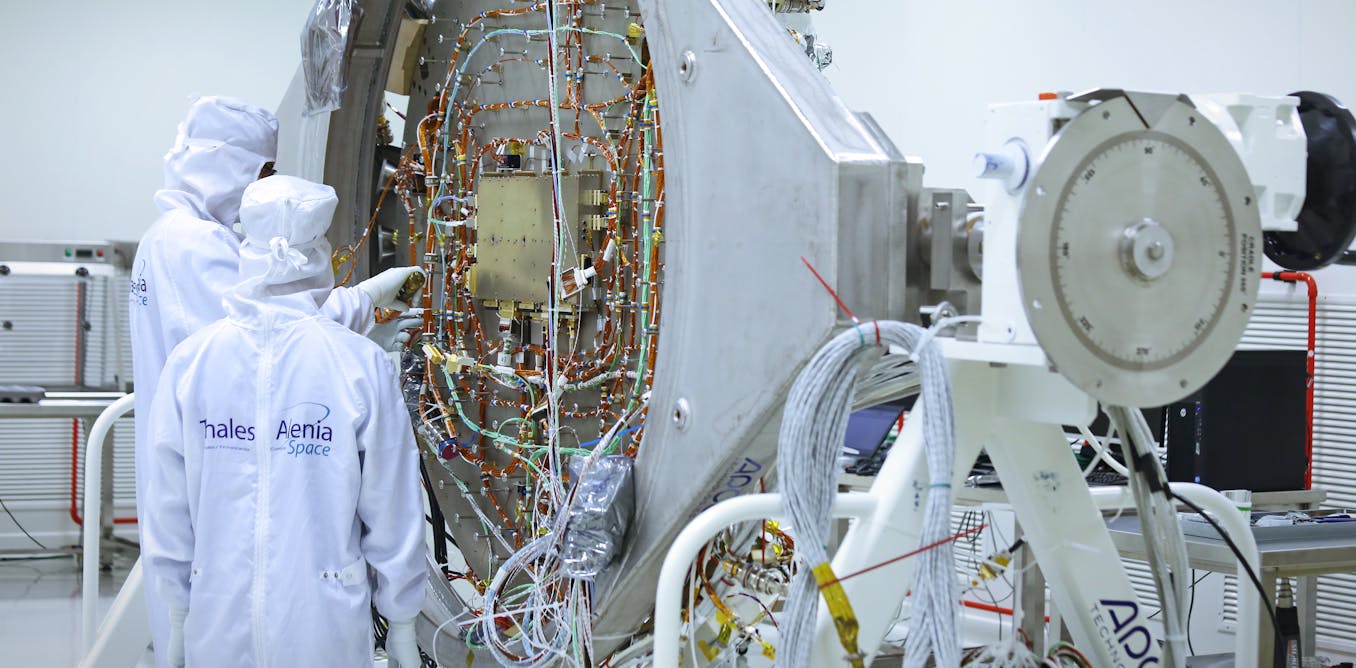
- Thales Alenia Space and OHB System are jointly developing radar instruments for the European Space Agency’s (ESA) Harmony mission.
- Dassault Aviation and OHB are collaborating on the VORTEX-S, a multipurpose spaceplane for ESA.
These partnerships signify a strategic shift toward building Europe’s capabilities collectively rather than competing for sovereignty.
The Role of the European Space Agency
An effective coopetition model requires a trusted mediator, which in Europe’s case is the European Space Agency (ESA). ESA serves as both the program owner and technical prime contractor, orchestrating knowledge-sharing among competing organizations. For instance, during the Galileo project, ESA helped coordinate knowledge exchange among manufacturers to ensure the program’s success.
Benefits of Multilateral Coopetition
- Critical Mass: By pooling resources, Europe can tackle challenges that individual actors cannot address alone.
- Strategic Knowledge Sharing: Collaboration facilitates the sharing of complementary knowledge essential for innovation.
- Risk and Cost Reduction: Dividing financial and technological risks across partner organizations mitigates individual exposure.
Challenges Ahead
Managing multilateral coopetition is not without its challenges. Increased complexity can lead to power imbalances, hidden opportunism, and misappropriation of knowledge. Thus, a balanced management approach that combines formal contracts with informal relationships is essential.
A Shared Future
The real driving force behind successful coopetition in Europe is its community of passionate professionals. Engineers and project managers navigate their loyalties, striving to balance individual company goals with collective European ambitions.
Conclusion
Mastering multilateral coopetition is crucial for securing Europe’s position in the upcoming phases of the space race. As space data becomes increasingly vital for agriculture, defense, and climate action, the collaborative efforts in Europe’s flagship programs are a testament that sovereignty in space can only be achieved through cooperative endeavors.