The Oakland Institute’s recent analysis raises questions about the necessity of a massive increase in mining to support the transition from fossil fuels. Their findings reveal that, according to International Energy Agency (IEA) data, renewable technologies such as wind, solar, and electric vehicles are projected to account for only 26% of the demand for key minerals—copper, lithium, nickel, cobalt, graphite, and rare earths—by 2024. The bulk, 74%, will be consumed by construction, traditional transport, industrial machinery, electronics, and other sectors.
Notably, the study pointed out that different sectors exhibit varying levels of mineral demand. For instance, electric vehicles (EVs) are expected to account for significant portions of metals like nickel (83%) and cobalt (68%), while construction will be the major consumer of copper (30%).
Looking toward 2050, the IEA projects a substantial increase in the global count of battery-electric and fuel-cell vehicles. The Oakland Institute estimates that these vehicles will require approximately 15.7 million metric tons of minerals, representing about 23% of the expected total demand.
Researchers from the University of California, Davis, explored possible pathways to reduce lithium demand in light-duty vehicles. Their models suggest that adjustments in battery sizes, ownership rates, and recycling methods could lower annual lithium demand by up to 92%.
The growth in mineral demand is intertwined with concerns over defense and technology production rather than purely energy transition goals. The U.S. government’s focus on mineral production continues amid shifting priorities, with governmental support ranging from federal loans to international partnerships for mining projects.
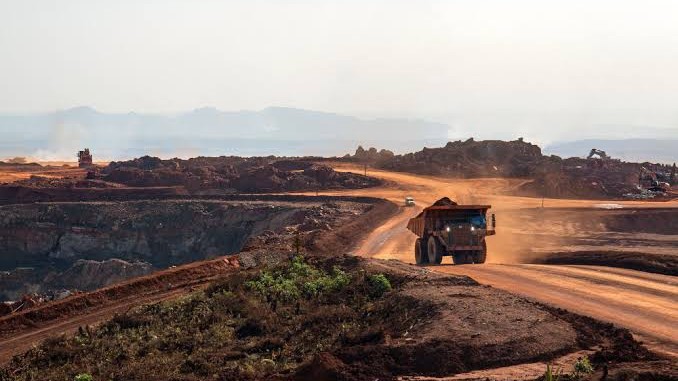
However, increased mining comes with social and environmental considerations, as many operations would affect Indigenous and local communities where these minerals are sourced. The necessity for new mines is amplified not just by renewable energy needs but also by infrastructure, defense, and conventional industrial requirements. The pressing need for more sustainable practices in mining, such as improved recycling and smaller battery solutions, could mitigate some of the concerns associated with extensive new mining operations.