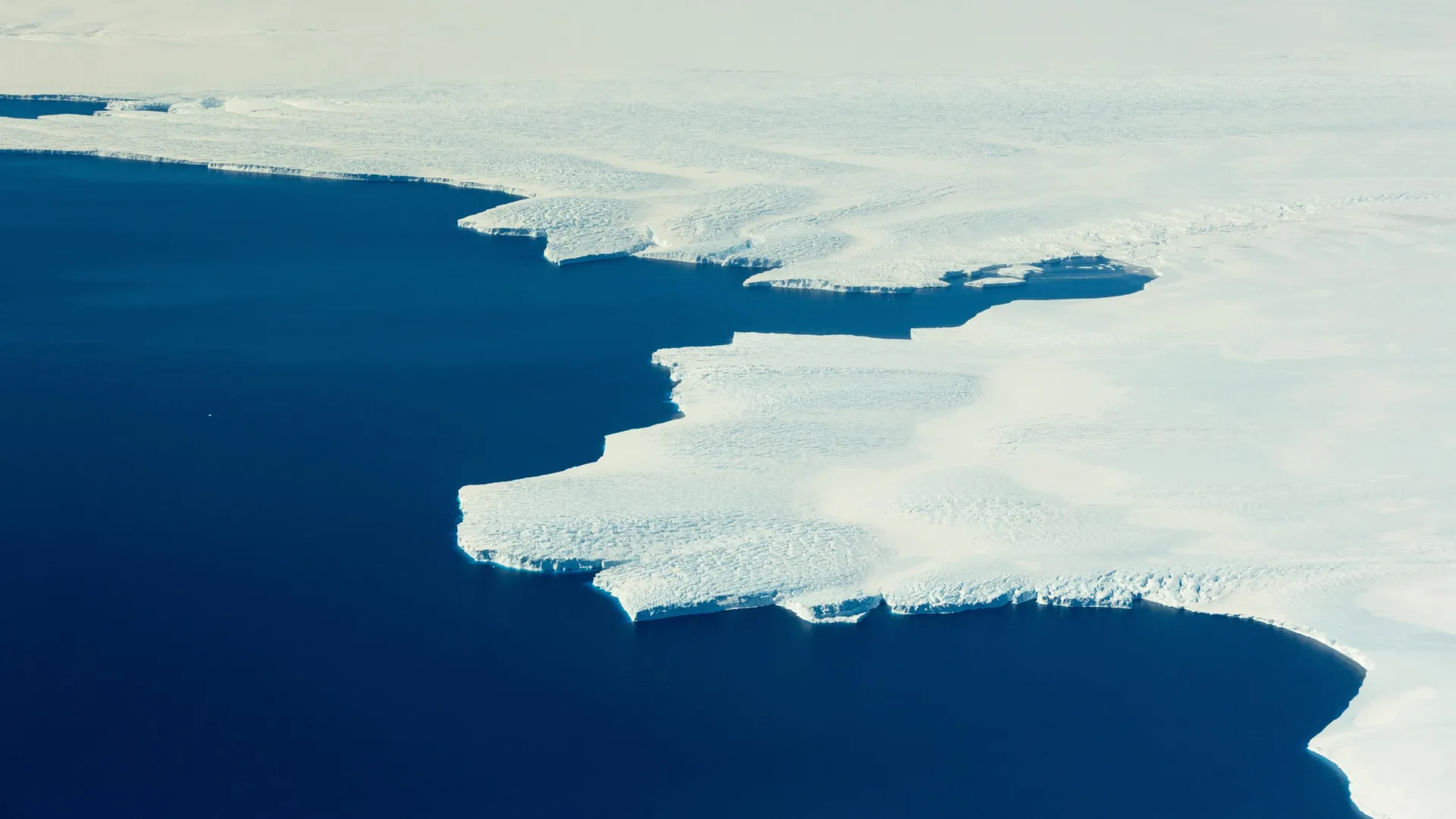
The recent study published in Nature highlights a significant temporary mass gain of about 695 billion tons in the East Antarctic Ice Sheet, primarily driven by sustained warming in the tropical warm pool from 2021-2023. This warm period initiated a series of atmospheric changes that reached Antarctica, altering moisture movements and increasing snowfall.
Key findings include:
-
Warming Effects: The tropical warm pool’s heat set off a Rossby wave train, modifying atmospheric circulation and moisture transport toward East Antarctica.
-
Mass Gain: The ice sheet’s growth during this timeframe was unprecedented, marking the largest gain recorded by GRACE satellites, contrasting with its long-term average loss of about 140.5 billion tons annually.
-
Atmospheric Rivers: Enhanced moisture transport occurred through atmospheric rivers, resulting in sustained heavy snowfall in the Queen Mary Land-Wilkes Land region.
-
Limited Anthropogenic Influence: Only 9% of the snowfall increase was linked to human-induced climate change, suggesting that this event stemmed primarily from natural atmospheric alterations.
-
Long-Distance Climate Connection: The research illustrates how tropical conditions can significantly impact Antarctic ice mass over several years, revealing a “regulator” role of the tropical warm pool.
-
Ongoing Ice Loss: Despite the temporary mass gain, the study reiterates that Antarctica continues to lose ice in the long term, particularly in the West Antarctic Ice Sheet.
The findings underscore the interconnectivity of global climate systems and the complexity of factors influencing polar ice dynamics.