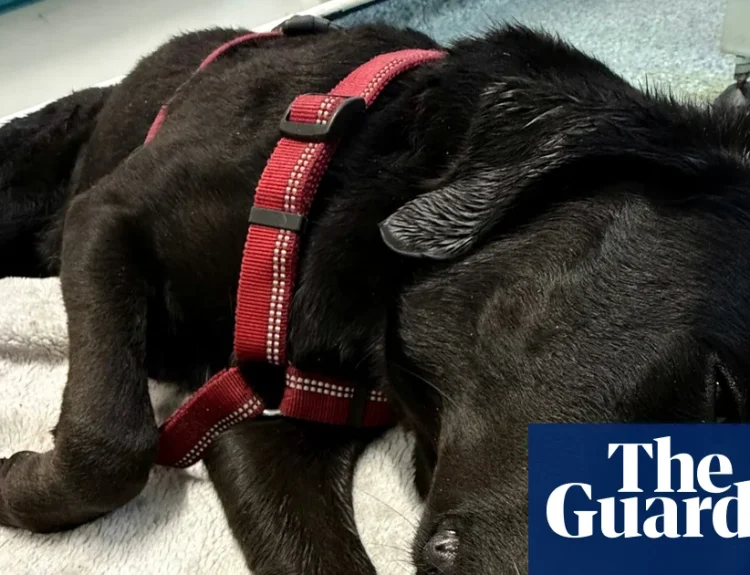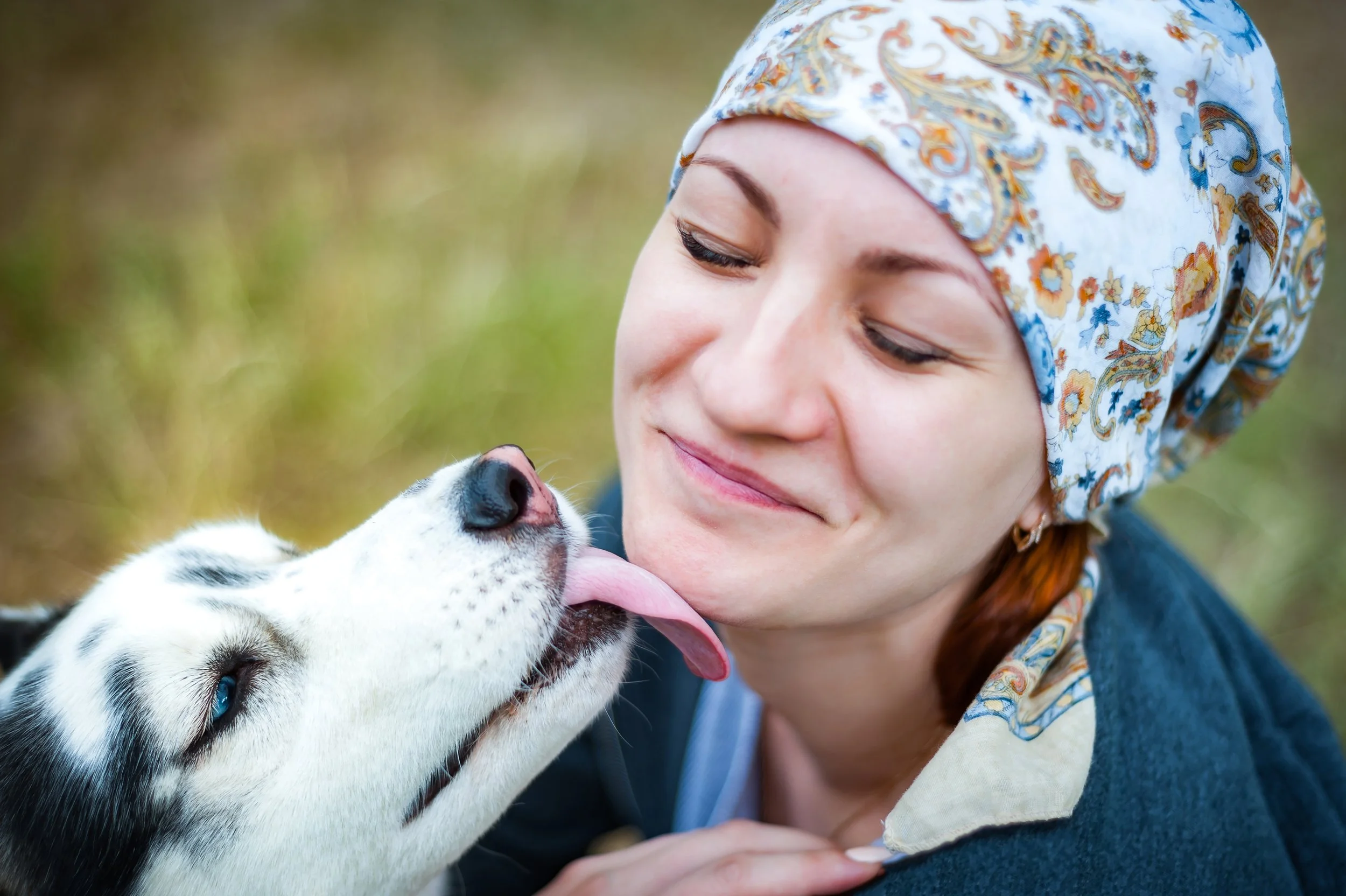
The bond between humans and animals is profound, often influencing medical decisions. A recent perspective paper published in the New England Journal of Medicine discusses how this bond impacts pet owners’ healthcare choices, often leading them to delay or forego medical treatment if they lack support for their pets.
Key Insights from the Paper:
-
Importance of Pet Ownership: A significant majority of U.S. households have pets, and for many owners, these pets are considered family. The connection contributes positively to their owners’ well-being.
-
Healthcare Consideration: Illness and hospitalization can disrupt the owner-pet relationship, raising concerns about both the pet’s welfare and the owner’s health. However, healthcare providers rarely address pets in clinical settings, missing opportunities to support the patient’s overall well-being.
-
Encouraging Dialogue: Asking patients about pet ownership can enhance the physician-patient relationship by fostering open communication about responsibilities and decision-making.
-
Support Systems: Implementing systems for temporary pet care while patients are hospitalized could improve outcomes for both humans and animals. Collaborations with animal shelters and veterinary services could facilitate this care.
-
A Call for Broader Care: The authors advocate for a family-centered approach that acknowledges pets as part of the family unit, urging healthcare systems to integrate this perspective into their care practices.
Conclusion
The paper emphasizes that recognizing and addressing the human-animal bond can lead to more comprehensive and compassionate healthcare. This holistic approach could ultimately improve the quality of life for both patients and their pets.