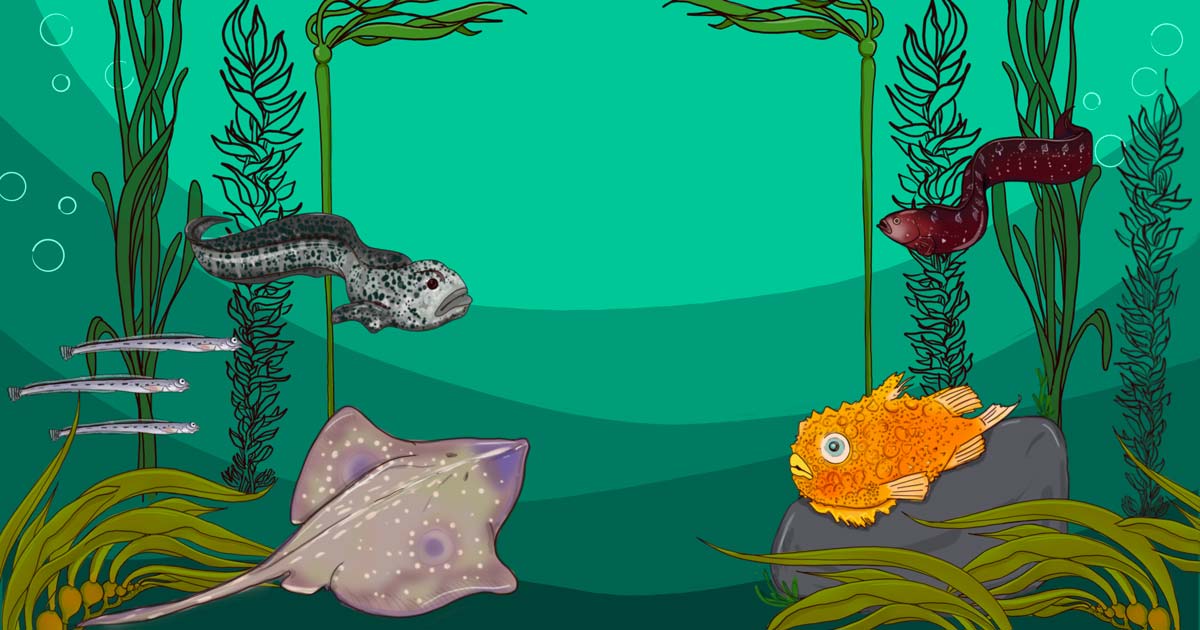
The research at Friday Harbor highlights an innovative intersection between biology and technology, exemplifying how nature inspires engineering solutions. Scientists like Cassandra Donatelli study the unique adaptations of various fish, such as the suction discs of lumpsuckers and Pacific clingfish, which led to the creation of a highly effective suction cup with enhanced hydrodynamic properties.
Donatelli’s work extends to understanding the efficient designs of elongate fishes, which may inform the development of better marine devices like buoys and drones, enhancing their energy efficiency. The focus on natural mechanics provides insights into creating advanced tools that can navigate and monitor ocean environments more effectively.
The collaborative approach among researchers, including those from the Max Planck Institute, facilitates the development of tactile learning tools that allow students to engage with biological structures through 3-D models. This platform not only enhances understanding of complex biological interactions but also fosters a greater appreciation for marine life.
Summers emphasizes the importance of direct observation in nature as a vital component of innovation, supporting the idea that authentic discovery lies in experiencing the environments firsthand. As research progresses, new questions arise about the adaptations and behaviors of various species, reinforcing the notion that evolution continually offers surprises that can lead to further technological advancements.