NASA’s MatISSE 2024 Projects Overview
The MatISSE (Maturation of Instruments for Solar System Exploration) 2024 initiative aims to enhance NASA’s technological capabilities for missions across various environments in our solar system, from inner planets to icy worlds. These advanced technologies are crucial for addressing fundamental questions concerning solar system origins, evolution, and the hunt for extraterrestrial life.
Key Projects and Teams
Emily Seto
Honeybee Robotics, Pasadena, California
Project: SHIELD
Overview: SHIELD is an innovative instrument designed for in-flight microbial sterilization. It utilizes pneumatics to eliminate dust and particles, alongside UV LEDs and infrared heaters for microbial sterilization, enhancing planetary protection measures for future missions.
Justin Atchison
Johns Hopkins University Applied Physics Laboratory, Laurel, Maryland
Project: OpGrav
Overview: OpGrav measures the mass of small celestial bodies during spacecraft flybys. This instrument uses reflective spheres to assess an asteroid’s gravity, offering insights into its composition and formation.
Anna Butterworth
Space Sciences Laboratory, University of California, Berkeley
Project: PICO
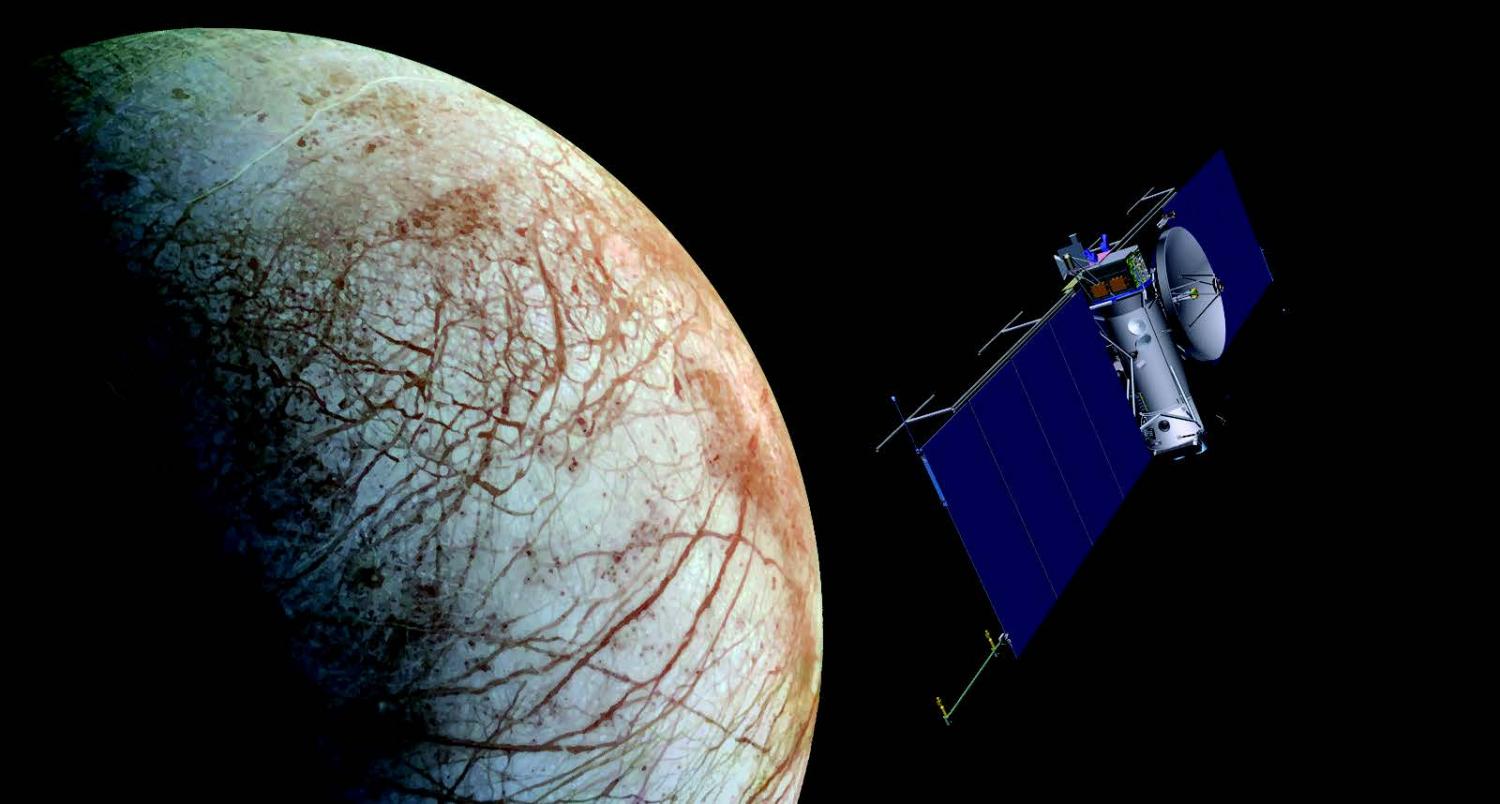
Overview: PICO captures ice grains from Enceladus’ plume and converts them into liquid samples for analysis. This system aims to identify potential biosignatures in the ice, which could reveal clues about the moon’s ocean.
Deacon Nemchick
NASA’s Jet Propulsion Laboratory, Southern California
Project: Millimeter-Wave Gas Sensor
Overview: This project involves developing high-fidelity prototypes for gas analysis, focusing on volatile gases from icy bodies. The instruments will provide critical data under simulated planetary ice conditions.
Richard Quinn
NASA’s Ames Research Center, California’s Silicon Valley
Project: Microfluidic Icy-World Chemistry Analyzer (MICA)
Overview: MICA will assess habitability in ocean worlds through microfluidic technology previously utilized in Mars missions, focusing on aqueous geochemistry and potential life on icy moons.
Mary Beth Wilhelm
NASA’s Ames Research Center, California’s Silicon Valley
Project: ExCALiBR
Overview: This instrument aims to enhance the search for life on Mars by purifying and extracting lipid biomarkers, significantly improving detection capabilities for low biomass and diverse biomarkers.
Conclusion
These innovative projects under the MatISSE 2024 initiative represent a significant step forward in space exploration technology and will pave the way for future missions, enhancing our understanding of the universe and the potential for life beyond Earth.
Discover More Topics From NASA
Keep exploring the advancements and discoveries offered by NASA’s ongoing research and missions.