Max Space’s Expandable Thunderbird Space Station Concept
Transport design studio Omi has introduced an innovative concept for Max Space’s Thunderbird space station. Designed with individual sleeping pods, panoramic views of Earth, and a focus on life in microgravity, this station aims to enhance the astronaut living experience.
Key Features:
-
Expandable Habitat:
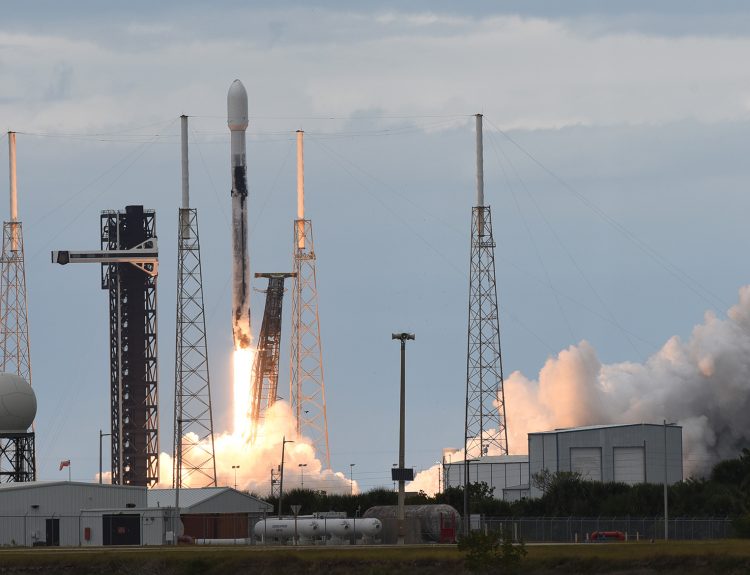
- The station, with a volume of 350 cubic meters, is intended for launch aboard a single SpaceX Falcon 9 rocket. It expands in orbit, eliminating complex assembly processes.
- Once operational, it will provide about one-third of the volume of the International Space Station (ISS).
-
Living Areas:
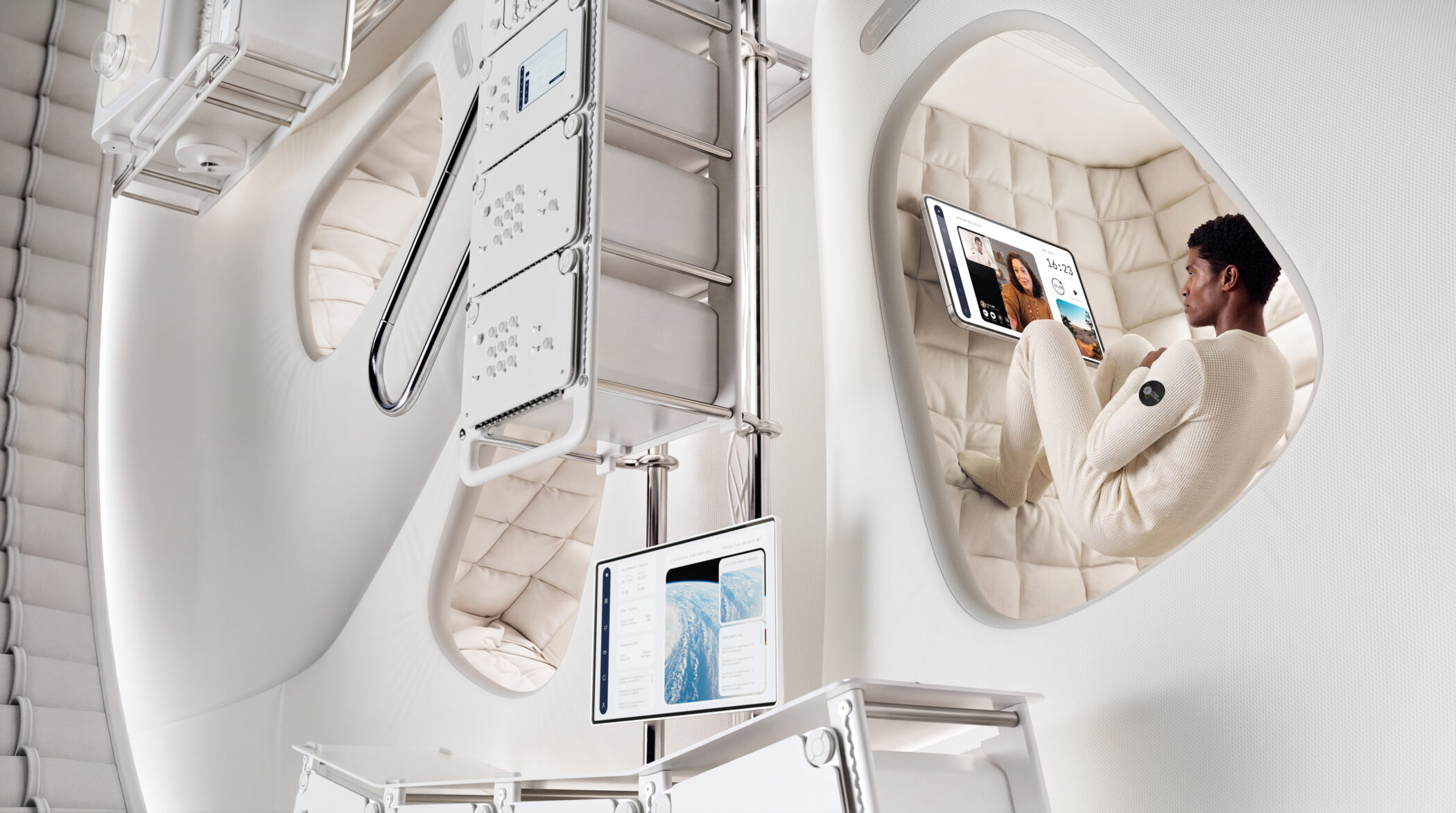
- The interior focuses on living comfort, including private crew quarters, communal spaces, and mission control facilities.
- Features such as exercise areas and scientific laboratories are integrated into the design, emphasizing long-term habitation.
-
Movement in Microgravity:
- Omi’s radial layout encourages movement through varying orientations while providing handholds and foot-tether systems.
Design Inspiration and Functionality:
- Drawing inspiration from 2001: A Space Odyssey and Nasa’s Skylab, the design emphasizes natural lighting to regulate circadian rhythms.
- Centralized social areas feature kitchen facilities, communal spaces, and a private retreat with 360-degree windows.
Personal Spaces:
- Private sleeping pods are designed for personalization, allowing astronauts to store belongings and maintain privacy.
- These soft structures can be customized and are repairable, promoting both comfort and practicality.
Research and Configurability:
- The habitat will include 60 reconfigurable payload lockers, designed for versatility in research and experimentation.
- Integrated cable management aims to prevent clutter, enhancing the work environment for the crew.
Safety and Construction:
- Constructed using multiple layers of materials, including Kevlar, the station is built to exceed safety standards established by NASA.
Future Applications:
- Max Space envisions this technology as a precursor for future human habitation on the Moon and Mars, expanding the potential of space exploration.
Conclusion
The Thunderbird station represents a groundbreaking advancement in the design of space habitats, prioritizing both functionality and livability for future astronauts. The collaboration between Omi, Max Space, and experts like former NASA astronaut Nicole Stott underscores a commitment to enhancing the human experience in space.