Rage Booking: A Response to Stressful Times
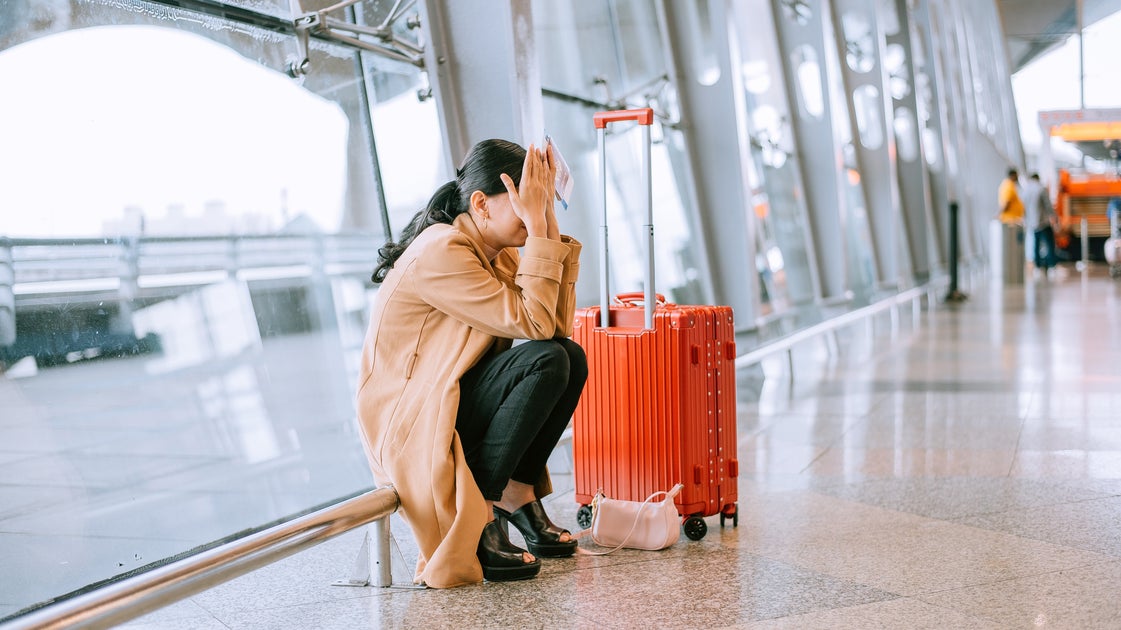
In today’s world, marked by constant stressors and unsettling news, many people are turning to a phenomenon known as “rage booking.” This impulsive travel decision arises as an emotional response to feelings of burnout, frustration, and overwhelming challenges.
What is Rage Booking?
Rage booking is defined as the act of booking a trip in response to negative emotions or stress. Travel writer Rocky Trifari explains that it often emerges from the burdens of daily life, prompting individuals to seek immediate escape rather than meticulously planning a getaway. Another term that is commonly used is “ragecation,” denoting similar impulse travel.
According to Lauren Gumport from Faye Travel Insurance, Americans are increasingly viewing travel not just as leisure but as self-care, heavily influenced by factors such as economic pressures and political turmoil.
Rising Trend
A report from Faye identifies rage booking as part of the “emotional travel economy.” With 52% of Americans feeling burnt out, travel has become a go-to coping mechanism. Many find that taking a vacation is their preferred method of handling stress, even over activities like meditation or exercise.
Who is Driving the Trend?
Younger generations, particularly millennials and Gen Z, are at the forefront of this trend, using travel as a way to reclaim control in a world that often feels overwhelming. Toni Ambler from Contiki notes that the act of booking travel can itself be empowering, transforming stress into excitement.
The Good and the Bad of Rage Booking
Pros:
- Immediate relief and emotional uplift: A significant majority (83%) reported feeling better after booking a trip.
- Change of environment: Traveling can alter perspective and mood, serving as a reset.
- Encouragement of spontaneity: Some of the best travel experiences arise from impulsive decisions.
Cons:
- Financial implications: Impulsiveness may lead to overspending and poor financial planning.
- Potential for unrealistic expectations: Travel can’t solve deeper issues and rushing into travel can lead to disappointment.
Tips for Mindful Rage Booking
While the impulsive nature of rage booking can lead to exciting adventures, it’s beneficial to incorporate some mindfulness into the process. Here are some suggested tips:
- Introduce a Pause: Allow yourself at least 24 hours to evaluate your choice.
- Consider Your Needs: Identify what you’re seeking from the trip: relaxation, adventure, or connection.
- Flexibility: Build some leeway into your plans to ensure the trip feels freeing rather than stressful.
- Manage Expectations: The objective isn’t perfection but providing a change of pace.
Conclusion
Rage booking serves as a significant response to the modern world’s pressures. By approaching the concept with both excitement and mindfulness, travelers can make the most of their impulsive decisions, transforming stress into positive experiences and carefully navigating their journeys for a truly rewarding escape.