A Hopeful Experiment: Reviving the American Elm
Background: The Devastation of Dutch Elm Disease
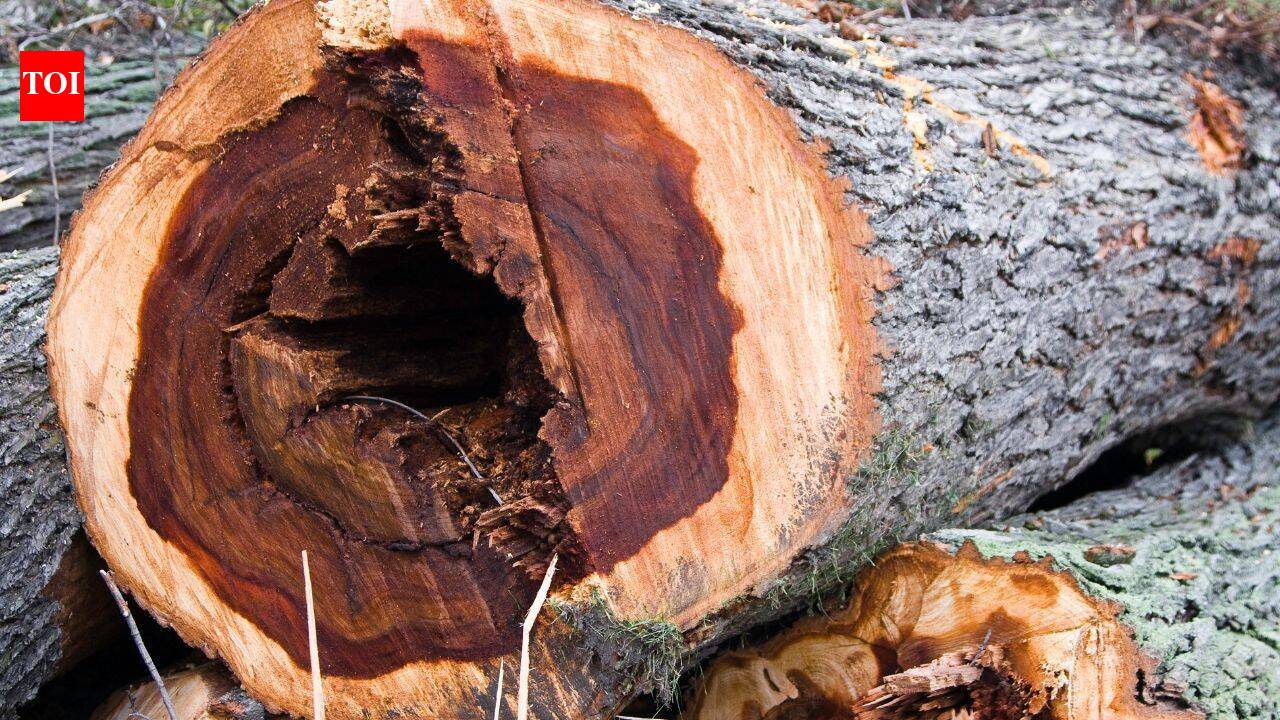
Six decades ago, Dutch elm disease ravaged the United States, wiping out around 100 million American elms that once adorned urban landscapes. The fungal infection, transmitted by bark beetles, transformed vibrant trees into lifeless husks, altering the character of countless neighborhoods. By the 1960s, the epidemic peaked, resulting in cities losing their iconic elm canopies almost overnight.
The Importance of Elms
The loss of American elms extended beyond aesthetics; these trees play a crucial role in urban ecosystems. They provide shade, reduce energy consumption, mitigate heat islands, intercept rainfall, and support wildlife. Their disappearance has left communities longing for the shade and identity these majestic trees once offered.
A Radical Research Strategy
In an innovative approach, scientists have initiated a large-scale experiment involving the deliberate infection of 6,000 young American elms with Dutch elm disease. The aim isn’t to save every tree but to identify those that exhibit natural resistance or tolerance to the disease. This strategy hinges on the belief that even in struggling species, a few individuals possess genetic traits that allow survival.
The Experiment Process
Conducted in controlled environments, researchers grow thousands of elm seedlings and then introduce the Dutch elm disease fungus via precise injections. The monitoring process tracks which trees show symptoms, decline, or remain healthy. While most trees are expected to perish, the hope is that a small fraction—potentially 1%—will display significant resistance. These survivors will serve as the foundation for future disease-tolerant elms.
From Research to Restoration
Once resistant trees are identified, scientists will clone these specimens through cuttings or tissue culture. The clones undergo rigorous testing across various climates and conditions to assess their growth, form, and pest resistance. Only after extensive evaluation will the best candidates be recommended for city-wide planting, aiming for elms that thrive in urban environments while remaining resilient against Dutch elm disease.
Climate Considerations
The urgency surrounding elm restoration is amplified by climate change, as cities face hotter summers and more intense storms. Disease-resistant elms could mitigate heat risks and fulfill tree-planting goals, helping restore the historic character of elm-lined streets.
Ethical Dilemmas
Some critics question the ethics of intentionally infecting thousands of trees. However, researchers argue that the alternative—allowing the continued decline of elms—poses a greater threat. They emphasize that their experiment is tightly controlled to prevent the disease from spreading beyond research plots.
Looking Ahead
While restoring the American elm will take years, this experiment may finally pave the way for their comeback. The sight of 6,000 young elms, with hopes pinned on the few that will endure, serves as a poignant testament to both loss and hope. If successful, future generations may once again enjoy the shade of American elms, echoing the landscapes of the past.