Scientists Engineer Plants to Produce Myoglobin for Sustainable Meat Alternatives
Recent research highlights a groundbreaking development in the production of plant-based meat. Scientists have successfully engineered tobacco and lettuce plants to express myoglobin, a protein typically found in animal muscle, within the chloroplasts of their cells. This advancement could significantly enhance the flavor and nutritional profile of meat alternatives, positioning them closer to traditional meat products in terms of taste and color.
Environmental Benefits
The growing demand for sustainable food sources underpins this innovation. Livestock farming is known for its extensive land and water use, as well as greenhouse gas emissions. By creating a method to produce myoglobin in plants, the environmental footprint could decrease substantially. The global market for meat alternatives is flourishing, with projections showing a growth rate of 8.1% to 12.3% annually.
Methodology
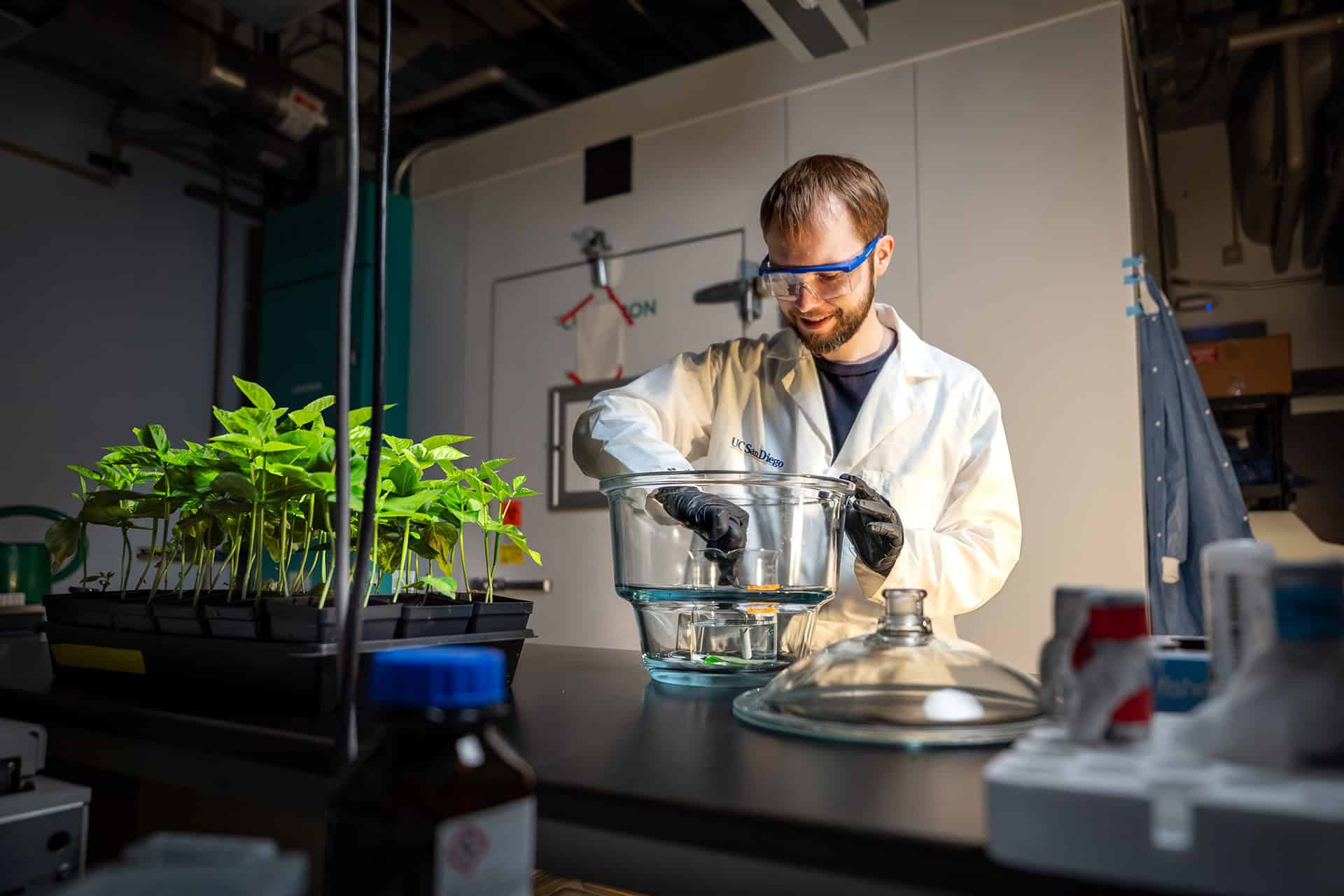
Researchers first cloned myoglobin genes from pigs and cattle, then injected these genes into the chloroplasts of tobacco and lettuce plants using a ‘gene gun.’ This method yielded around 800 mg of myoglobin per kilogram of dry tobacco and 810 mg per kilogram of dry lettuce—three times higher than previous attempts using the nuclear genome.
Future Applications
The team is now looking to commercialize this technology. The extracted plant-based myoglobin could serve as a direct ingredient to enhance the taste and color of meat alternatives, making them even more appealing to consumers. Additionally, researchers are exploring the potential of using modified lettuce as a source of heme iron, providing another avenue for nutritional enhancement.
This research was published in Frontiers in Plant Science and may pave the way for more sustainable agricultural practices while catering to the rising consumer demand for plant-based proteins.