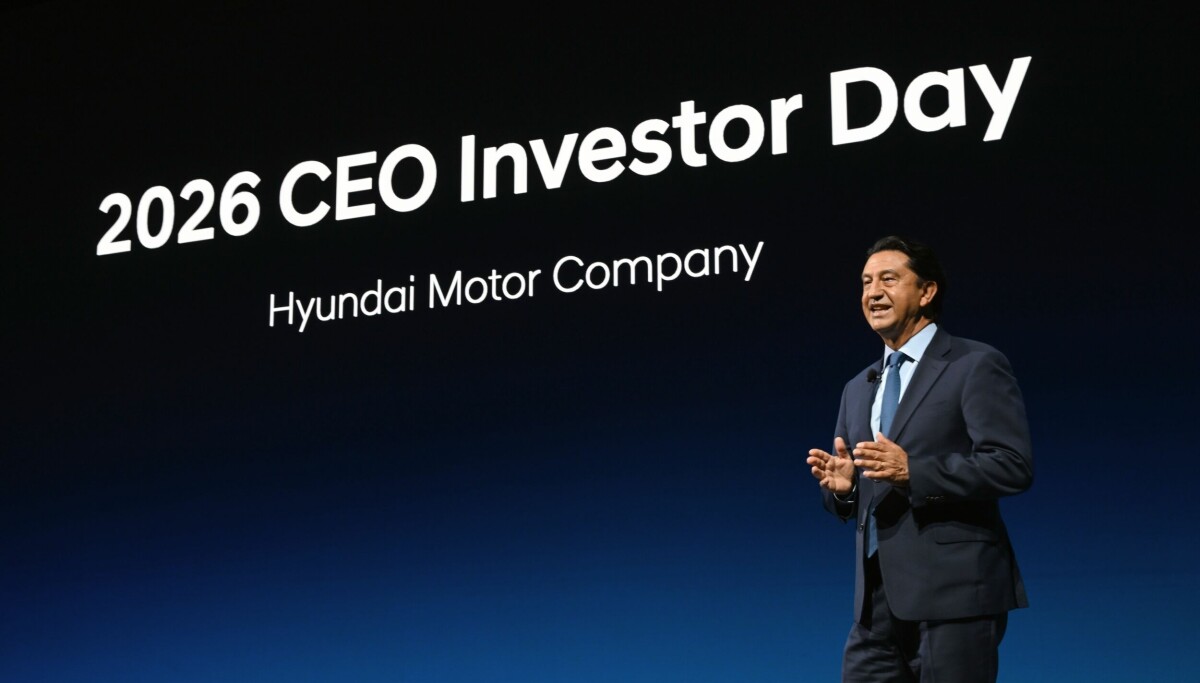
Hyundai is laying out an ambitious growth strategy leading up to 2030, with plans to introduce over 100 new or revised vehicle models globally. CEO José Muñoz emphasized their strong position in the automotive market, highlighting goals of selling 5.55 million vehicles and achieving a 6% market share by the decade’s end. They aim for 60% of their sales to be electrified vehicles, supported by a comprehensive powertrain strategy that includes battery-electric, hybrid, combustion-engine, and Extended Range Electric Vehicles (EREVs).
Key aspects of Hyundai’s plan include:
-
Autonomous Driving and Robotics: Collaborating with Nvidia to enhance autonomous driving capabilities, with real traffic data collection slated for 2026 and Level 2+ features expected in software-defined vehicles by 2028.
-
New Mobility Solutions: Hyundai is venturing into robotaxis and humanoid robotics, with Ioniq 5 robotaxis targeting services in collaboration with Waymo.
-
Local Manufacturing: Strengthening localized production across North America and Europe, aiming for 80% of US sales to be locally produced by 2030.
-
Battery Development: Hyundai is advancing its own battery technology, aiming to improve performance and charging times.
Overall, Hyundai’s strategy signifies a transformative approach, positioning itself as a diversified mobility and technology entity in the evolving automotive landscape.