Chicago Energy Developer Plans Two Large Natural Gas Plants in Wisconsin
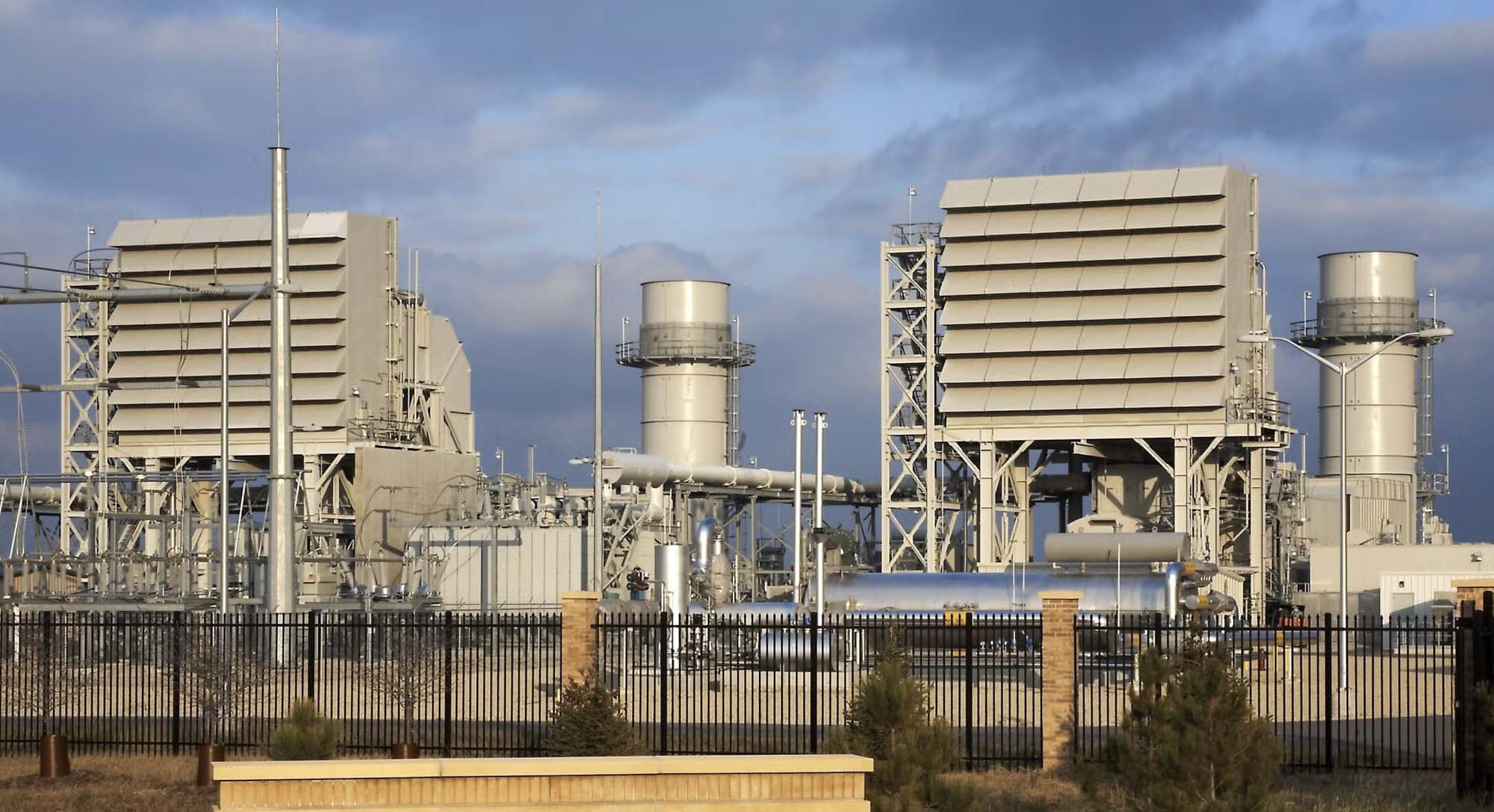
A Chicago-based energy developer, Invenergy, is setting its sights on building two large natural gas power plants in eastern Wisconsin. The project, still without a disclosed cost, has been submitted to the state Public Service Commission for review.
Project Details
- Location: Proposed sites are southwest of Appleton, either in Brillion or Woodville, Calumet County.
- Capacity: The plants, named Forest Junction and Union Depot Energy Centers, aim to generate a combined capacity of 1.9 gigawatts (or 1,900 megawatts). This amount could power approximately 100 million LED lightbulbs.
- Operations:
- Forest Junction: 1.2 gigawatts, primarily operating during peak demand.
- Union Depot: 750 megawatts, intended for continuous operation.
Invenergy hopes to bring the facilities online by 2031, with opposition from environmental groups concerned about fossil fuel investments, and support from labor unions excited about job creation.
Energy Demand in Wisconsin
A draft report by state regulators indicates that electricity demand in Wisconsin could surmount 40% by 2032, driven largely by hyperscale data centers. The same report forecasts natural gas will supply 50% of the state’s energy by 2032, increasing from 36% in 2024, while coal’s contribution is expected to plummet from 31% to 3%.
Environmental Concerns
Ciaran Gallagher from Clean Wisconsin voices concerns over the reliance on natural gas, highlighting detrimental air pollution and greenhouse gas emissions despite modern emission controls. She criticizes the regulatory process, suggesting a “loophole” allowing Invenergy to potentially bypass stringent scrutiny typically imposed on utilities.
Economic and Workforce Impact
The project is projected to create approximately 550 jobs during peak construction, bolstering workforce development in the trades. Wisconsin Laborers District Council spokesperson Steve Kwaterski emphasizes the dual benefits of improving the power grid and creating employment opportunities.
As the discussion continues, questions on regulatory processes and environmental impacts remain at the forefront of community and stakeholder dialogues.