The idea of space-based data centers is gaining traction as a potential solution to the growing demand for data storage while minimizing opposition from communities on Earth. Companies like Mantis Space are exploring innovative technologies such as military-grade lasers to create a space-based power grid to support these centers.
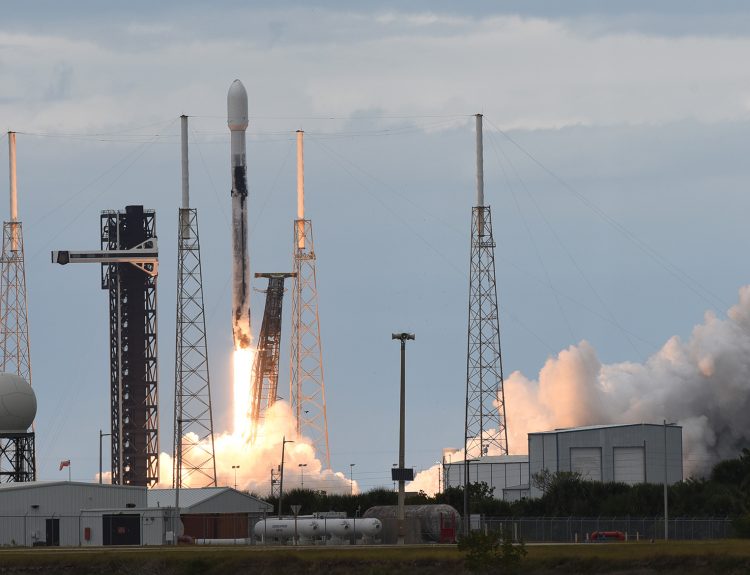
Some benefits include abundant solar energy availability in orbit and the opportunity for economic growth, with projections suggesting this could be a $1.8 trillion market. Notably, Elon Musk’s SpaceX is a major proponent, seeking regulatory approval to launch what could be up to one million satellites.
However, critics raise significant environmental concerns. Issues include potential negative impacts on wildlife, disruption to astronomical research, and an increase in space debris. Environmental groups have urged for more comprehensive reviews of the implications tied to these ambitious plans.
Proponents argue that technological advancements could help mitigate these risks, including sourcing materials for data centers from space. As the demand for data continues to soar—especially with applications like autonomous vehicles—some industry leaders assert that expanding into space might be the only feasible solution to meet future needs.