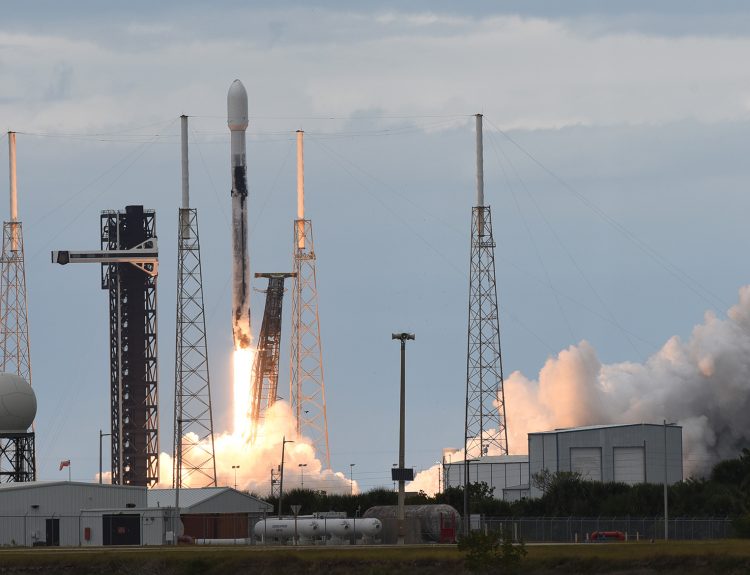
Future of the Space Industry: Key Developments to Watch
Vision of Space Industry Enthusiasts
The aspirations within the space industry present a thrilling vision of near-future innovations, including:
- Orbital Data Centers: Space-based data centers could harness solar energy, minimizing Earth’s pollution and infrastructural challenges.
- Satellite Megaconstellations: Hundreds of thousands of satellites may provide instantaneous data transfer globally.
- AI Applications: AI tools will keep users updated on global events, utilizing satellite imagery.
- Lunar Operations: A network of lunar operators could sustain a permanent presence on the Moon, focusing on resource mining and supply services.
Challenges in Space
While some projections like satellite megaconstellations have developed rapidly, other visions, like space tourism, face significant hurdles. Here’s a breakdown of key futuristic ideas:
1. Orbiting Data Centers
- SpaceX aims to launch up to 1 million satellite data centers, with the first, AI1, scheduled for 2027.
- Other firms, like Starcloud and Lonestar, are exploring space-based computing solutions.
- However, the economic feasibility remains uncertain; power generation costs in space are projected to be higher initially.
2. Solar Power from Space
- Space-based solar panels can generate significantly more energy than those on Earth, potentially alleviating energy demands.
- Current challenges include high launch costs and inefficiencies in transmitting solar energy back to Earth.
- Companies like Star Catcher are working on systems to support satellites and possibly beam power to other spacecraft.
3. AI-Powered Planetary Intelligence
- Upcoming advancements in AI will allow for comprehensive, real-time monitoring of Earth via satellite.
- AI systems could analyze vast data sets and provide insights directly through user-friendly applications.
- This could revolutionize how we engage with Earth Observation data.
4. Omnipresent Satellite Connectivity
- The anticipated growth in satellites could lead to around 100,000 operating in orbit within the next decade.
- Innovations in satellite technologies could enable seamless connectivity and integrate into everyday life.
- Satellite links may not entirely replace ground infrastructure but will complement it significantly.
5. Speedy Laser Links
- Laser technology could vastly increase data transfer rates from space to Earth.
- Companies are developing optical terminals for high-capacity links, reducing reliance on traditional, vulnerable fiber optics.
6. Business on the Moon
- Analysts express skepticism about the sustainability of a commercial economy on the Moon.
- Most lunar activity is expected to be government-driven for the foreseeable future, with commercial ventures primarily reliant on contracts.
Conclusion
The space industry is rife with potential but fraught with complexities. Though some innovations could reshape our technological landscape, many remain in the nascent stages, requiring careful navigation of economic and technical challenges. Keeping a close eye on these developments will provide insights into how humanity interacts with both space and Earth in the future.