Extreme Heat and Vehicle Safety
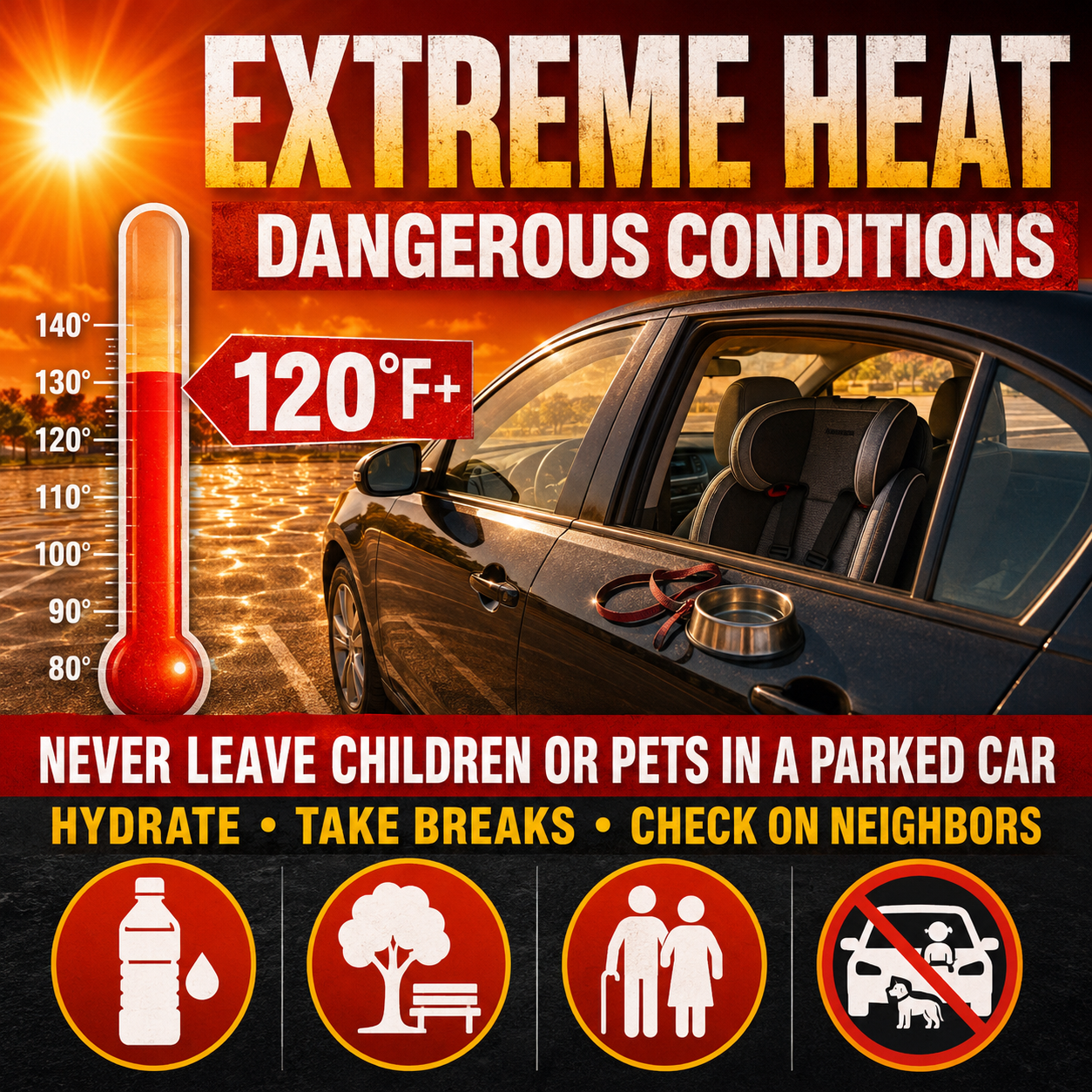
Extreme heat can turn a parked vehicle deadly within minutes. It’s crucial not to leave children or pets alone in a parked vehicle, even briefly. On sunny days, vehicles trap heat, quickly reaching temperatures much higher than the outside air.
Key Facts:
- Temperature Rise: The interior of a vehicle can increase by about 20 degrees in just 10 minutes.
- Vulnerability of Children: Children heat up three to five times faster than adults.
- Ineffectiveness of Window Cracking or Shade: Cracking windows or parking in shady areas does little to protect against rising temperatures.
Estimated Timeline on a 94-Degree Day
| Time Parked | Approx. Temperature Inside | Danger |
|---|---|---|
| At parking | 94°F or cooler with AC running | Heating begins immediately after turning off the vehicle. |
| 10 minutes | Around 113–114°F | Life-threatening for a trapped child or pet. |
| 20 minutes | Around 123°F | Severe heat illness and organ damage may develop rapidly. |
| 30 minutes | Around 128°F | Risk of survival decreases for children and pets. |
| 60 minutes | Around 137°F | Extreme, potentially fatal conditions. |
Most temperature increase occurs within the first 15 to 30 minutes, and the risk of severe injuries or death is very high.
Pets at Risk
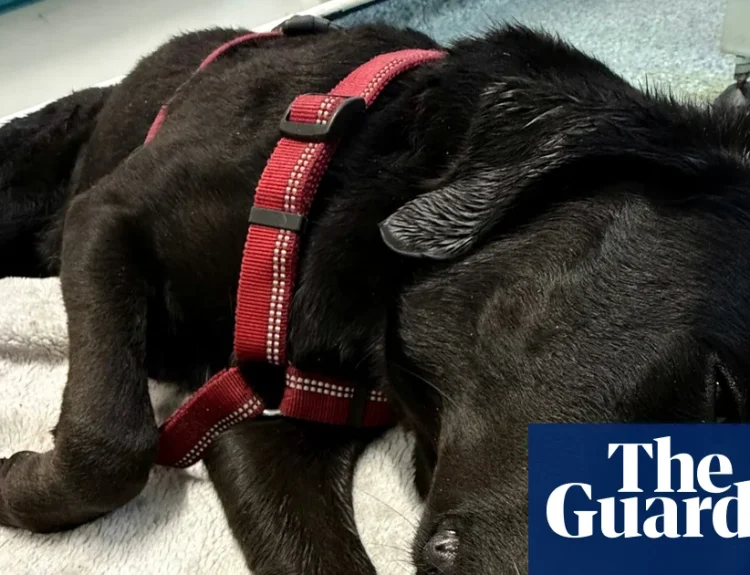
Pets are at significant risk in hot vehicles because they cannot cool themselves as effectively as humans. Symptoms of heatstroke in pets include heavy panting, drooling, weakness, vomiting, confusion, and seizures. Immediate veterinary care is essential if these symptoms occur.
Heat Safety for Outdoors
When temperatures soar:
- Stay Hydrated: Drink water before feeling thirsty; about one cup every 15-20 minutes during strenuous activities.
- Take Breaks: Rest in shaded or air-conditioned areas frequently.
- Time Activities Wisely: Schedule outdoor work or exercise during cooler morning or evening hours.
- Dress Appropriately: Wear loose, lightweight, light-colored clothing.
- Buddy System: Watch for signs of heat-related illnesses in each other.
Check on Elderly Neighbors
Older adults, particularly those 65 and older, are more susceptible to heat-related issues. Check on them at least twice daily during extreme heat and ensure:
- They have air conditioning or access to a cool location.
- They are drinking enough water.
- They dress appropriately and are avoiding strenuous activities.
- They do not show signs of heat exhaustion or heatstroke.
Emergency Situations
Heatstroke can be life-threatening. Symptoms include confusion, slurred speech, seizures, loss of consciousness, or very high body temperature. In such cases:
- Call 911 immediately.
- Move the person to a cooler place.
- Begin rapid cooling with cold water or wet towels and do not leave them alone.
Upon Seeing a Child Alone in a Vehicle
If you see a child alone in a parked vehicle, call 911 immediately. Every minute counts in preventing tragedy.