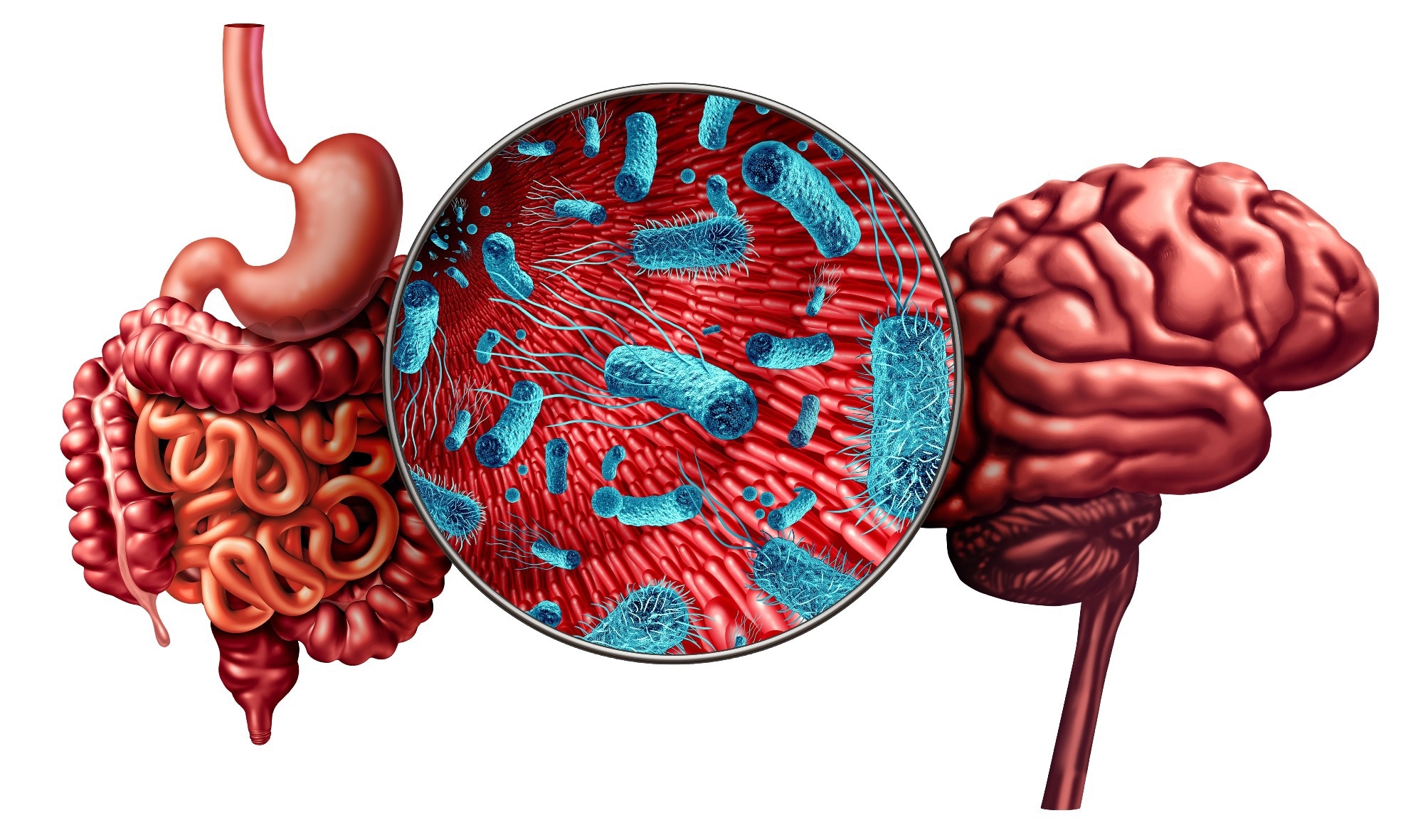
The recent review in the Journal of Restorative Medicine explores how probiotic interventions, particularly psychobiotics, may influence mental health conditions such as anxiety, depression, bipolar disorder, and schizophrenia through the gut-brain axis. Here’s a summary of the key points:
Background
- Gut-Brain Axis: The gut microbiome interacts with the brain via various pathways, including microbial metabolites and neurotransmitters.
- Psychobiotics: These probiotics are under investigation for their potential to improve mental health, but research varies widely in methodology, including strains used and participant demographics.
Gut-Brain Interaction
- Various gut microbes are linked to producing neurotransmitters like serotonin and gamma-aminobutyric acid (GABA), crucial for mood regulation.
- Microbial activities can affect processes such as tryptophan metabolism and immune responses, potentially influencing brain function and stress.
Findings on Mental Health Conditions
-
Anxiety & Depression: Specific probiotic strains like Bifidobacterium animalis and Lactobacillus plantarum are linked to reduced anxiety and depressive symptoms through various mechanisms including lowering cortisol and inflammatory markers.
-
Bipolar Disorder & Schizophrenia: Evidence for these conditions is less robust. Some studies indicate specific strains may reduce symptoms associated with schizophrenia, while bipolar research is still emerging.
Clinical Relevance and Research Gaps
- Proposed psychobiotic mechanisms include neurotransmitter modulation and immune regulation, though many studies lack direct measurement of crucial metabolites.
- There is a need for standardized research protocols and long-term studies to evaluate efficacy, safety, and potential for personalized care.
Conclusion
The review suggests psychobiotics may serve as useful adjuncts in treating anxiety, depression, and schizophrenia, although more research is required to solidify their clinical application, specifically through standardized methods and understanding the diverse impacts of different probiotic strains.