Blackouts in Sumatra Highlight Grid Challenges
In late May, heavy storms caused a fault in a key power line in Indonesia’s Sumatra, leading to widespread blackouts that left millions without power for up to a day. The failure of traffic lights resulted in chaos in Medan, while businesses suffered losses due to food spoilage. Tragically, four individuals died from carbon monoxide poisoning linked to generator use.
This power outage drew attention to the significant challenges facing Indonesia and Southeast Asia regarding grid maintenance and upgrades. Analysts argue that insufficient grid capacity hinders clean power investments worth billions.
Grid Resilience Questioned
Experts noted that the Galang–Simangkuk transmission line, only seven years old, should have endured the storms. Wai-Shin Chan from Asia Research & Engagement warned of increased extreme weather patterns due to climate change, indicating that current grid resilience is inadequate.
While the Indonesian Air Force assisted in restoring power quickly, the incidents may undermine investor confidence, essential for delivering reliable clean energy.
Bottlenecks and Project Delays
Electrification is a top priority for the upcoming COP31 climate talks, yet Southeast Asia faces major setbacks in rolling out clean energy projects due to inadequate grid capacity. Between 2021 and 2025, nearly half of renewable energy projects in Vietnam, Thailand, and Indonesia were either canceled or stalled, with Indonesia seeing a 48% drop in announced projects.
Challenges include unclear power agreements, bureaucratic delays, and policy uncertainties that deter investment. The International Energy Agency has highlighted the decline in grid investment, emphasizing the need for modernization to meet growing electricity demand.
The Urgency for Transition
Meeting emissions reduction targets requires urgent attention to renewable energy projects. Indonesia aims for a 31.9% reduction by 2030, yet its reliance on fossil fuels remains high, with renewables constituting only 18% of the energy mix as of April 2026.
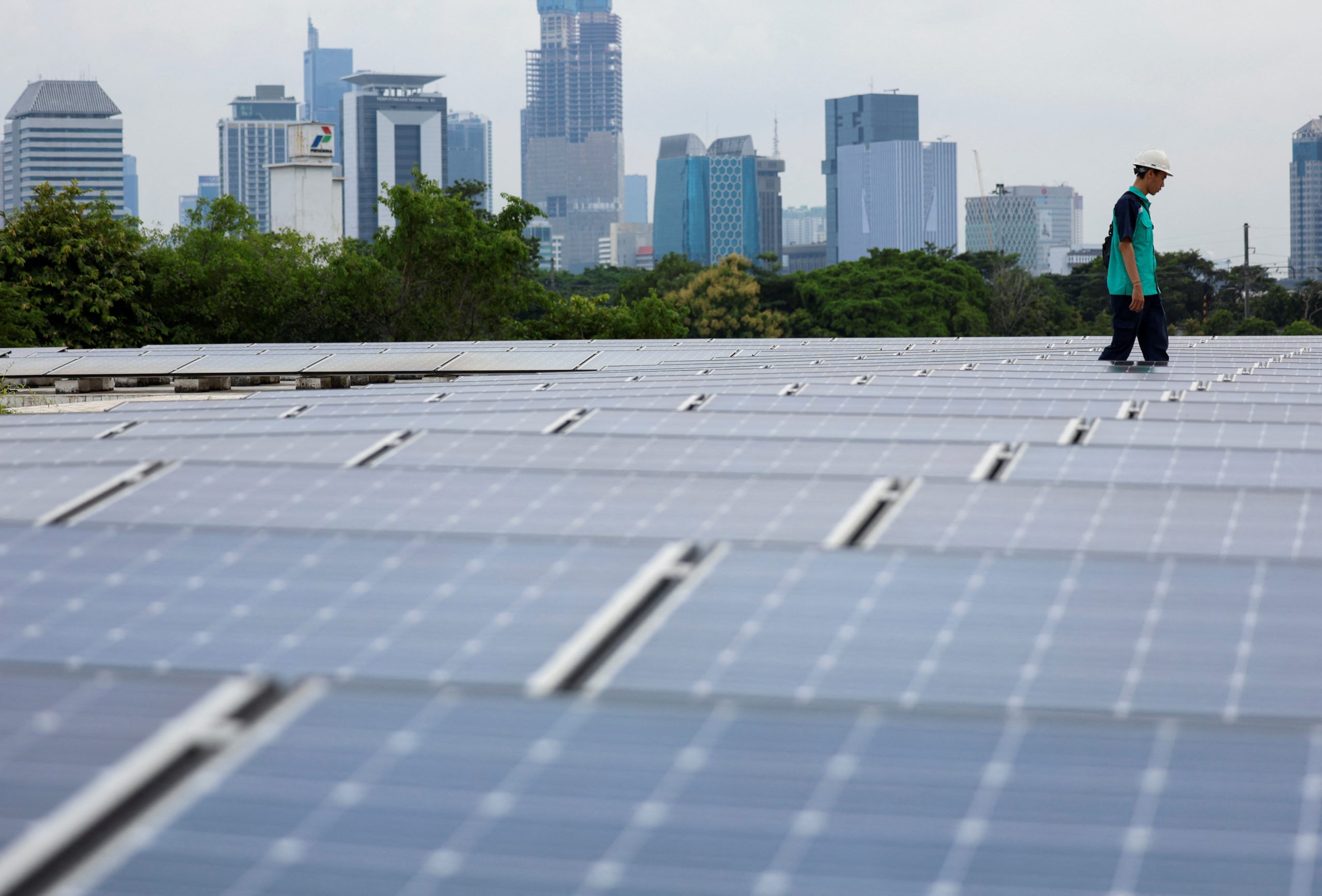
Despite the cost-effectiveness of solar and wind power, delays in renewable projects exacerbate dependence on fossil fuels. The energy crisis has underscored the need for a faster transition, with Indonesia focusing on expanding solar capacity to 100 GW.
Financial Barriers
While financing exists, difficulties in project execution stem from inadequately addressed risks. Though Indonesia’s government has laid out a new electricity supply plan aiming for 70 GW of new generation, the energy sector must ensure that policies are stable and conducive to investment.
Public money could help de-risk investments, but regional governments show little interest. Effective policies and stable regulations are essential to reassure investors and facilitate smoother project execution.
Pressure from Growing Data Centers
The rise of AI data centers is adding strain on Southeast Asia’s power grids. These centers consume far more power than traditional facilities, contributing to increasing emissions. The pressure to support growing energy demand without compromising sustainability demands urgent investment in grid infrastructure before further renewable energy rollout.
As investment in AI grows, grid and renewable upgrades must keep pace to prevent reliance on fossil fuels. Without proactive measures, emissions linked to power consumption could substantially rise, challenging global climate commitments.