Introduction
STAT News serves as a vital resource for all topics related to Biomedicine, encompassing public health care, pharmaceutical advancements, and the often tumultuous politics that influence the scientific community in the United States. Recently, I followed their extensive series titled The Deadliest Drug, which highlights an undeniable crisis surrounding alcohol abuse in America. The series raises a poignant question: “Alcohol kills more Americans each year than all other drugs combined – Why does the U.S. ignore its most harmful substance abuse crisis?” Many families, including my own, have suffered from the impacts of alcohol abuse. Below is a condensed overview of the series along with an exploration of its far-reaching implications.
The series, divided into eight parts, reveals alarming statistics based on thorough analysis. Each day, alcohol is responsible for the deaths of 500 Americans, surpassing the mortality rates of all infectious diseases combined. Excessive alcohol consumption has been linked to various health issues, including cancer, heart disease, cognitive decline, and even gun violence. The financial toll of alcohol misuse is estimated to exceed $240 billion annually—more than the combined medical debt of all Americans. Shockingly, up to 25% of Americans report indulging in binge drinking, and the resulting damage outstrips that observed in nearly all other affluent nations. This pervasive situation has cultivated a state of denial across the country:
Above all else, the alcohol issue demonstrates a kind of societal denial: Americans have bought into the idea that widespread harm and even death is a price we must pay in order for people to drink at all. The country has come to view the alcohol epidemic as an intractable inevitability rather than a preventable and entirely man-made public health crisis.
This prompts the unsettling conclusion that society has neglected its responsibility in addressing alcohol misuse. Although this theory is compelling, it may not fully tackle the complexities involved, as will be discussed further in the conclusion.
One notable issue highlighted is that healthcare providers often hesitate to discuss alcohol use with their patients. While my recent experiences with physicians have included inquiries about alcohol and illicit drug consumption, this does not reflect the average American’s access to routine medical care. Many lack regular physician visits, which complicates any meaningful dialogue surrounding alcohol use.
Part 3 of the series underscores a pressing health crisis: one-third of Americans are afflicted with fatty liver disease. This issue is exacerbated by the unique challenges posed by obesity and diabetes in the United States, alongside rampant alcohol consumption:
The United States is hardly the only country where heavy and binge drinking is a problem. But Americans face a unique crisis: This country’s obesity and diabetes epidemics, combined with heavy alcohol use, are causing more people to get sick from a liver disease that, until recently, didn’t even have a name.
Metabolic dysfunction and alcohol-associated liver disease, or MetALD, is now a leading concern among doctors in the U.S. as more young people and women face serious illness and die from the condition. Doctors worry that many more Americans might be silently developing MetALD, at least in part because many people do not realize they are drinking too much.
Such findings shouldn’t be shocking, given the overlapping crises of obesity and alcohol misuse in the country. As people consume more ultra-processed foods rich in sugar and unhealthy fats, they risk accumulating fat in their livers, leading to severe medical complications. The series further includes personal accounts of individuals grappling with the aftermath of excessive drinking. For instance, a young man named Stephen Silva-Brave shared his journey from consuming two cans of Four Loko daily, an alcoholic beverage that contains the equivalent alcohol of five cans of beer, to becoming a mentor for others facing similar struggles. His transformation embodies resilience and hope.
Part 4 delves into the deficiencies in alcohol addiction treatment in America. While twelve-step programs like Alcoholics Anonymous (AA) provide support for many—including the current Secretary of Health and Human Services—their spiritual focus and “abstinence or nothing” approach may not resonate with everyone. Jillian, another participant in the series, found AA’s overtly spiritual nature alienating, emphasizing a broader limitation in addressing diverse recovery needs.
Pharmaceutical interventions also offer potential solutions. For instance, medications like naltrexone have proven effective in reducing alcohol cravings, enabling individuals to gradually cut back on their consumption. However, these medications often face resistance from insurers and are not widely promoted, creating barriers to access. Disulfiram, an older medication, can induce severe sickness when alcohol is consumed, complicating its adoption. European countries generally adopt a more enlightened stance on pharmaceutical treatment of alcohol use disorders, thanks to their more functional healthcare systems.
Part 5 focuses on the rise of alcohol consumption among pregnant women, with alarming statistics suggesting that one in eight women drink during pregnancy. This can lead to fetal alcohol spectrum disorders (FASD), which affect many children. Despite numerous public health campaigns warning against drinking while pregnant since the late 1970s, recent trends show an uptick in consumption. Part marketing and part societal shift, the increase raises significant concerns about its implications for public health.
Furthermore, some research, such as economist Emily Oster‘s work, argues that low-to-moderate alcohol consumption during pregnancy may not be as harmful as initially thought. However, such claims have sparked considerable debate and criticisms regarding their validity, especially considering the unique circumstances each pregnant woman faces.
Part 6 examines the current administration’s views on alcohol. Notably, President Trump’s teetotaler status, stemming from family experiences with addiction, contrasts sharply with the endorsing remarks made by the current Administrator of the Centers for Medicare and Medicaid Services, who described alcohol as a “social lubricant.” The suggestion that moderate drinking—two drinks per day for men and one for women—is acceptable may not adequately reflect the complexities of alcohol use in society.
As discussed in Part 7, the alcohol industry wields significant influence over policy-making. Valued at over one trillion dollars, the industry spends considerable resources on political campaigns to secure favorable policies. Some countries have instituted measures to mitigate alcohol-related challenges, while lawmakers in the U.S. often align themselves with the industry’s interests. This raises serious concerns about conflicts of interest and the integrity of health policies.
Finally, the series presents twelve insightful recommendations for addressing alcohol-related issues. The five most critical suggestions include:
- Implement early and frequent screenings for problematic alcohol use.
- Revamp the payment system for interventions addressing alcohol dependency.
- Enhance training on alcohol issues for healthcare providers across various specialties.
- Shift messaging to encourage general reductions in alcohol consumption rather than forcing complete abstinence.
- Enforce stricter marketing regulations to prevent negative societal messages about alcohol consumption.
While this series effectively outlines the intricacies of alcohol abuse in the United States, there are notable gaps. For instance, the staggering cost of alcohol exceeds $240 billion yearly, yet the dire healthcare debts that arise within the flawed system are seldom linked to this crisis. A significant number of Americans lack consistent access to primary care, which limits productive conversations about alcohol use.
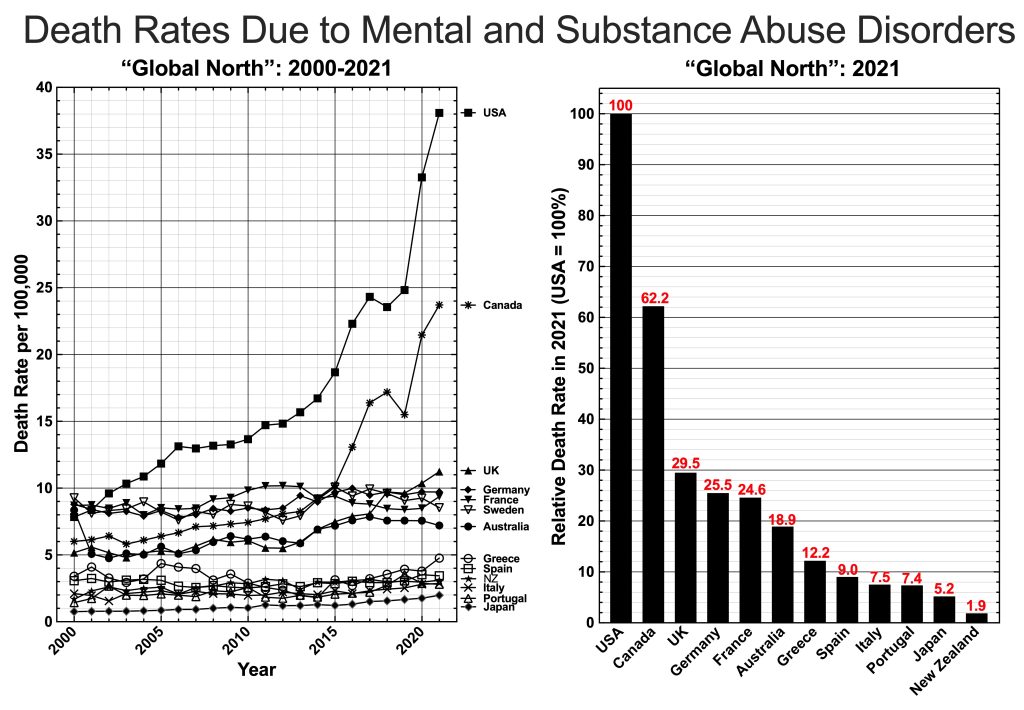
To understand the roots of these social challenges, we must also consider the broader context of “Deaths of Despair,” a phenomenon highlighted by researchers Anne Case and Angus Deaton. Compared with other affluent nations, the United States is grappling with a unique blend of socioeconomic stress that fosters alcohol misuse, interlinked with issues such as healthcare access and employment stability.
Understanding the complex landscape of alcohol consumption in America reveals the necessity for comprehensive change that addresses the socio-economic factors contributing to this public health crisis. Establishing healthier societal norms around alcohol consumption will require holistic transformations rather than superficial changes to regulations and policies.
Conclusion
The series on alcohol abuse offers a thorough examination of the problem but also indicates that alcohol is merely a symptom of deeper societal issues that require attention. Addressing these issues necessitates a reevaluation of American healthcare and socioeconomic structures, pivoting from surface-level solutions to more systemic approaches capable of fostering long-term improvement. Only through a comprehensive view can we hope to mend the underlying causes of substance abuse and promote a healthier society for all.
Notes
[1] “According to the Surgeon General, women should not drink alcoholic beverages during pregnancy because of the risk of birth defects.” This aligns with the precautionary principle.
[2] Critiques of Professor Oster are available here and here.
[3] The essential work by MADD regarding impaired driving is critical. The U.S. has only recently begun to take it seriously, and significant changes in these patterns demonstrate growing awareness.
[4] It is humorously noted that “Hey, y’all! Hold my beer and watch this!” has become synonymous with reckless behavior.
[5] Various Deaths of Despair links can be found on the Princeton University website, detailing the extensive research conducted by Anne Case and Angus Deaton.
[6] Thomas Geoghegan’s book, Were You Born on the Wrong Continent?: How the European Model Can Help You Get a Life, explores alternative social models worth considering.


