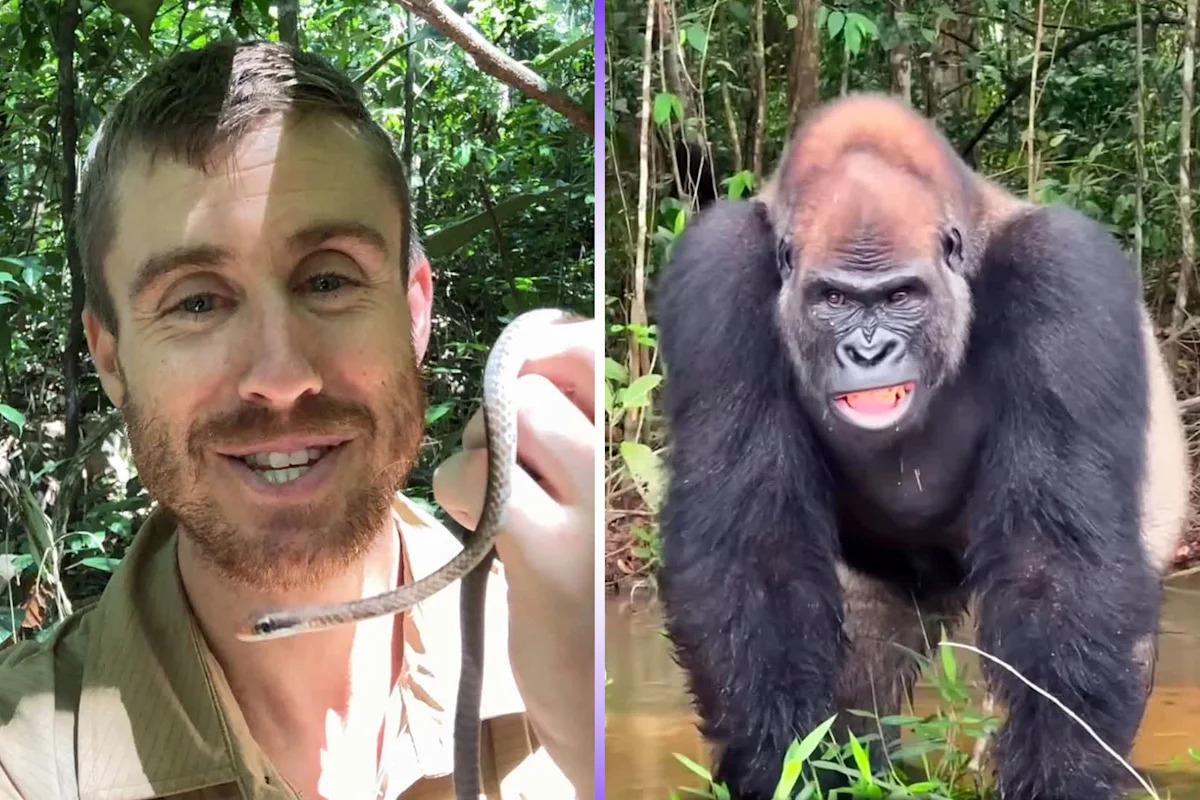
Ash Dykes, an extreme adventurer with over 4.5 million social media followers, is currently kayaking 434 miles through the hazardous Congo Basin. This journey, starting this week, involves navigating waters filled with crocodiles and hippos, and the potential to encounter gorillas and elephants.
The Congo Basin is notorious for its extreme dangers, including tropical diseases, crime, and violence, which the State Department has flagged as unsafe. Dykes has emphasized the significant risks, warning that he may be “days away from proper medical help” during parts of his trip.
His followers watch Dykes’ exploits unfold in real time, which sparks a mix of excitement and anxiety. While his journey serves a thrilling spectacle, it also taps into deeper psychological themes, such as morbid curiosity and the desire for safe vicarious experiences. Psychologists explain that this dangerous journey fascinates audiences, allowing them to explore high-risk scenarios from a safe distance, heightening emotional responses and investment in Dykes’ success.
Dykes’ expedition is structured like a serialized story, with each social media update creating suspense and encouraging ongoing engagement. As viewers grow familiar with his personality and challenges, their concern shifts from mere curiosity about his success to a more personal investment in his well-being. This dynamic reflects the concept of parasocial relationships, where audiences form one-sided connections with individuals they see frequently in media.
Overall, Dykes’ journey continues to captivate many as they wait for updates on his progress and the outcome of his perilous adventure.