Surge in Rooftop Solar Interest Across Europe
Published on 04/09/2026 – 7:00 GMT+2
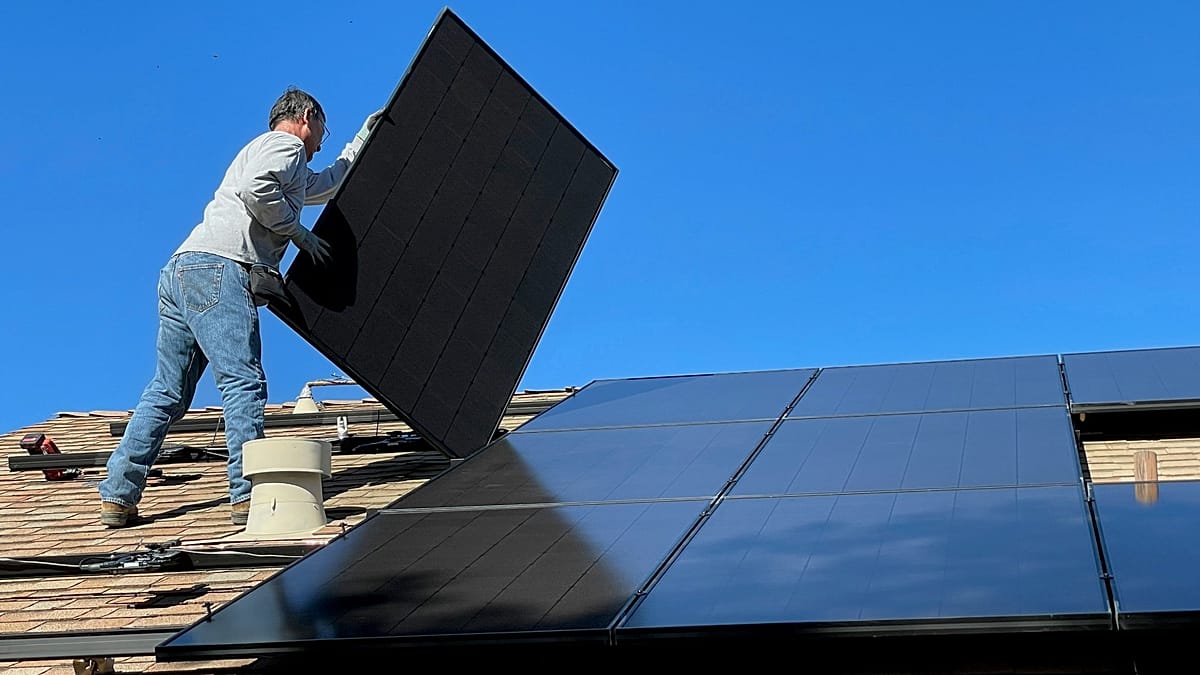
As Europeans face soaring fossil fuel costs, interest in rooftop solar installations has skyrocketed. A recent EU-wide analysis from Nature Energy suggests that rooftop solar photovoltaics (solar PV) could supply nearly 40% of Europe’s electricity by 2050. Currently, only about 10% of European rooftops are fitted with solar panels.
To enhance adoption, various governments have introduced subsidies and incentives. For example, in Ireland, homeowners can receive grants up to €1,800 under the national sustainable energy scheme. Meanwhile, Hungary offers public grants that can cover up to two-thirds of solar panel costs, provided certain criteria are met.
Countries like Germany and the Netherlands have implemented benefits such as 0% VAT on solar panel sales and installations to reduce costs. However, high upfront installation costs remain a significant barrier, especially for low-income households.
Could ‘Solar Bonds’ Be the Solution?
Cost and Return on Investment for Solar Panels
The cost of solar panel installation varies widely, influenced by multiple factors. According to solar provider LOGI, a standard European home typically requires between 6 and 15 kWp of solar power, costing between €7,000 and €30,000. In the UK, a typical 4.5 kWp system costs around £7,600 (€8,831).
While solar panels can help homeowners save considerably on energy bills, the return on investment can be slow. Experts suggest it may take at least 10 years for a typical home to recoup installation costs, which can reach up to £10,000 (€11,621). Many homeowners opt for loans, which add to the long-term financial burden.
Introducing ‘Solar Bonds’
Dr. Donal Brown from the Environmental Change Institute advocates for government-backed financing options to make rooftop solar more accessible. A report by the Common Wealth think tank proposes a universal Solar Bond scheme allowing households with suitable roofs to access solar panels without credit checks or conventional loan requirements.
The repayment would occur over 25 years through energy bills, with the financial obligation tied to the property rather than the individual homeowner. This means if a homeowner sells their property, the financial commitment would transfer to the new owner. The report indicates such a scheme could save households around £83 (€96) annually, potentially doubling with the use of batteries.
The initiative could also create job opportunities, with the Solar Trade Association estimating that an expanded rollout of rooftop solar could generate over 42,000 new jobs by 2030.
With strong government support and innovative financing solutions like solar bonds, the future of rooftop solar in Europe looks promising.