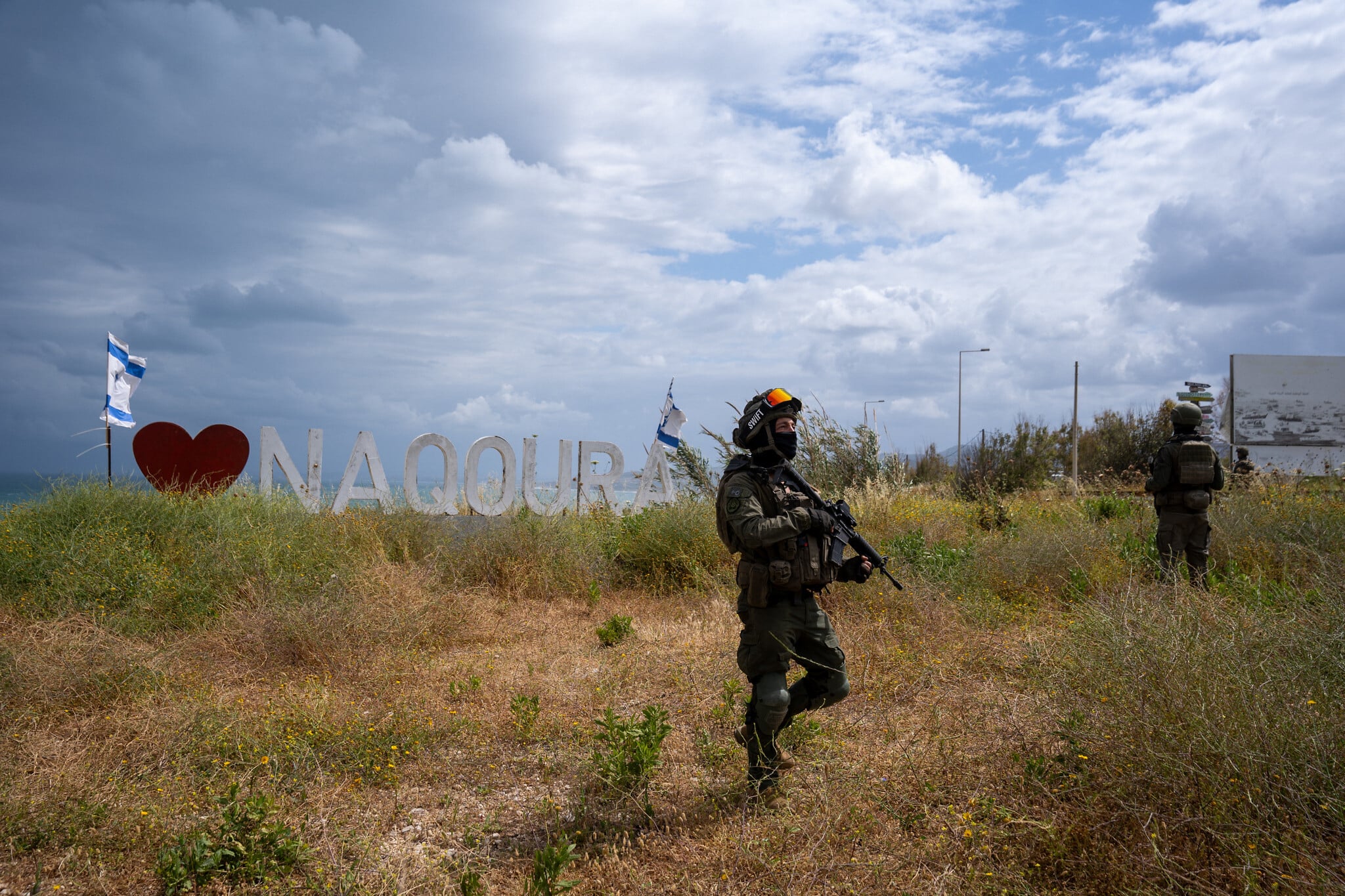
RAS AL-BAYADA, Lebanon — The landscape along the coastal road in southern Lebanon tells a somber story, with Israeli flags flying and demolished structures marking the terrain. Journalists were granted access to one of the military’s most strategic locations within its newly established “security zone.”
The tranquility of the turbulent waves crashing against the rocky shore was abruptly interrupted by an announcement of a Hezbollah drone attack directed at the Israeli military in Ras al-Bayada, located roughly eight kilometers (5 miles) north of Israel’s border and just south of the Lebanese city of Tyre.
Codename “Air Hammer” signaled a drone assault by the Israel Defense Forces. An urgent report came over the radio: “There’s an enemy drone here,” prompting soldiers to hastily usher reporters into the lightly armored vehicles that had transported them into Lebanon, ensuring their safe return to Israel.
Hezbollah later asserted that it successfully targeted multiple Israeli military vehicles in Ras al-Bayada. The IDF confirmed that several explosive drones and anti-tank missiles had struck forces across southern Lebanon, fortunately resulting in no injuries.
Despite a somewhat ineffective ceasefire, soldiers stationed in southern Lebanon are facing daily attacks from Hezbollah, primarily by first-person view (FPV) drones alongside sporadic rocket fire and missile strikes.
“It really is a challenge,” remarked Col. “Aleph,” the commander of the IDF’s 226th Reserve Paratroopers Brigade, when asked about the threat posed by Hezbollah’s FPV drones. “It represents an operational challenge, much like other hurdles we encounter in this area, including anti-tank attacks and rocket fire. This is all part of warfare.”
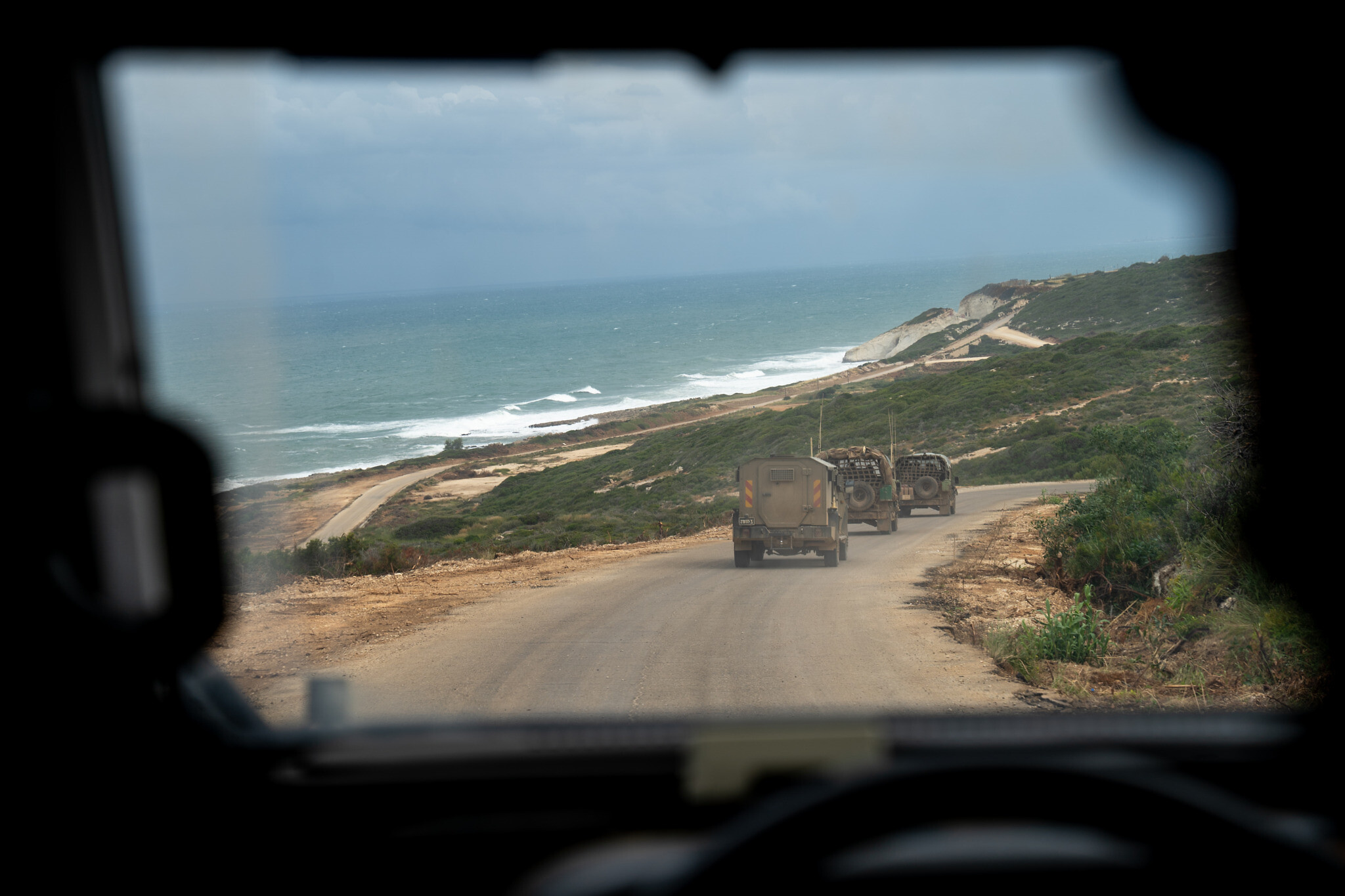
The brigade commander emphasized that the military’s presence deep within southern Lebanon aims to shield civilians from these threats. “We are here to ensure that this does not translate into a tangible risk for the home front. Our focus is primarily on addressing this threat, which is mainly directed at us,” he shared with reporters.
Israel’s new south Lebanon security zone spans 5-10 kilometers (3-5 miles) into Lebanese territory. In this area, the IDF has been demolishing entire villages, as ordered by Defense Minister Israel Katz, to prevent Hezbollah from utilizing the region as a launch point for attacks.
Even at a distance of eight kilometers into Ras al-Bayada, Israeli forces continue to destroy structures believed to be associated with Hezbollah.
Senior military officials reported significant discoveries of weaponry hidden within homes in coastal Lebanese villages, and the IDF recently announced the destruction of five Hezbollah tunnels in the vicinity.
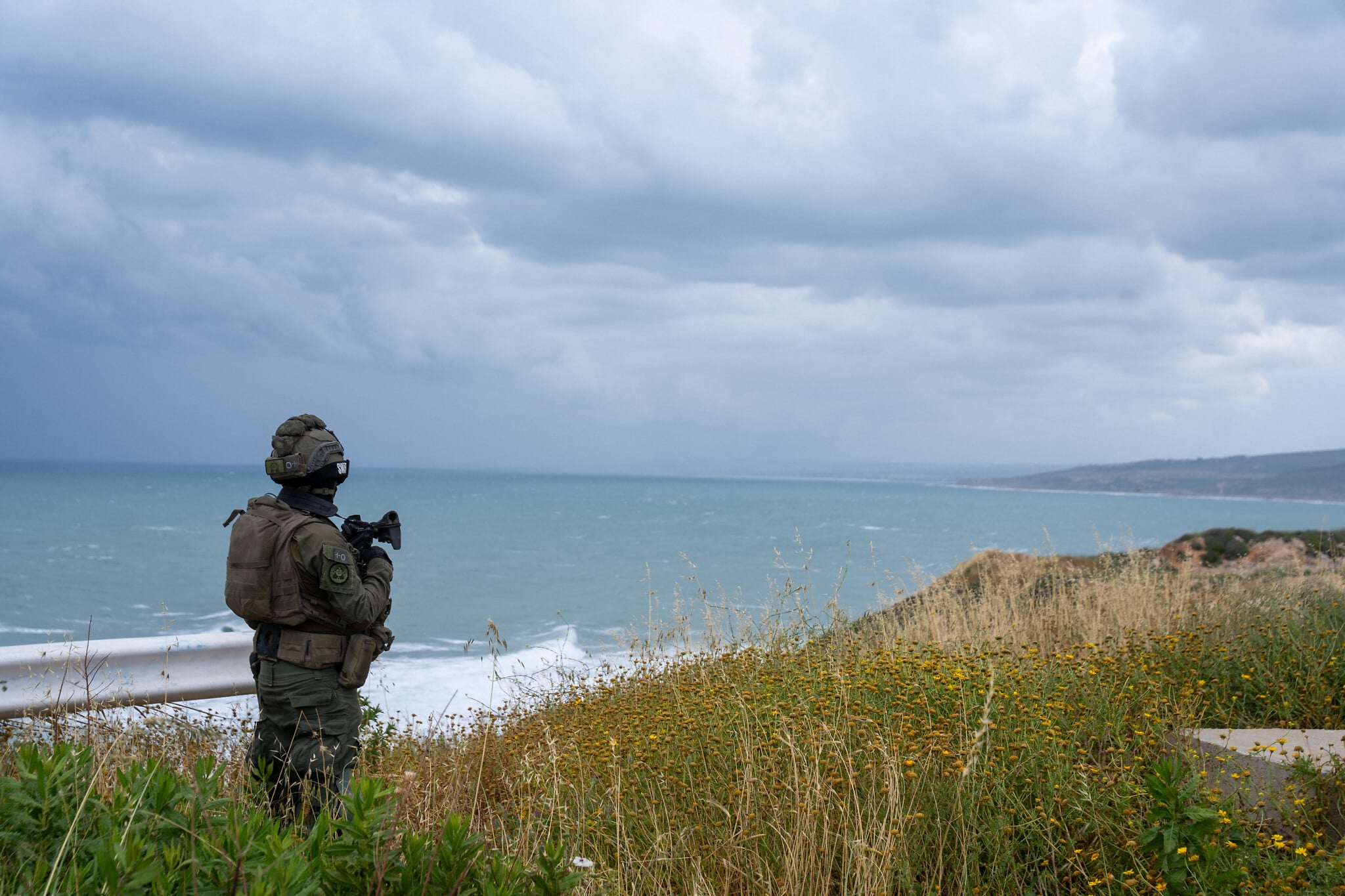
According to an officer in the paratrooper unit, Hezbollah is striving to send in replacements for the hundreds of operatives lost during recent clashes. He noted, “Certain forces are attempting to close in, but each time they draw near, they are met with resistance, and I can sense their morale waning. When their spirit breaks, they attempt to flee.”
The duration of Israel’s presence in the new security zone remains uncertain, as none of the officers could provide a definitive answer.
“Simply defending from the goal line, or along the community borders, is not always sufficient,” commented a battalion commander. “We cannot allow significant issues to escalate.”
Key Takeaways
- Israeli military faces ongoing drone and missile threats from Hezbollah in southern Lebanon.
- The IDF is demolishing structures tied to Hezbollah to enhance defense strategies.
- Senior commanders acknowledge the challenges posed by FPV drones and other weaponry.
- Israel’s presence in the security zone aims to protect civilians from potential threats.
- Future plans for the security zone remain uncertain amid escalating conflicts.
FAQ
What is the purpose of the new security zone established by Israel?
The security zone aims to protect Israeli civilians by preventing Hezbollah from staging attacks from southern Lebanon.
What types of threats does the Israeli military currently face in this area?
The IDF encounters threats primarily from drones, rocket fire, and anti-tank missiles utilized by Hezbollah.
How does the Israeli military respond to threats from Hezbollah?
The military engages with drone attacks, weapon destruction, and tactical operations to neutralize threats.
Is there ongoing conflict between Israel and Hezbollah?
Yes, despite attempts at a ceasefire, clashes and attacks occur regularly.
In conclusion, the situation in southern Lebanon remains volatile as the Israeli military strives to dismantle Hezbollah’s capabilities while safeguarding its borders. Continued military efforts underscore the complexities of maintaining security in the region.