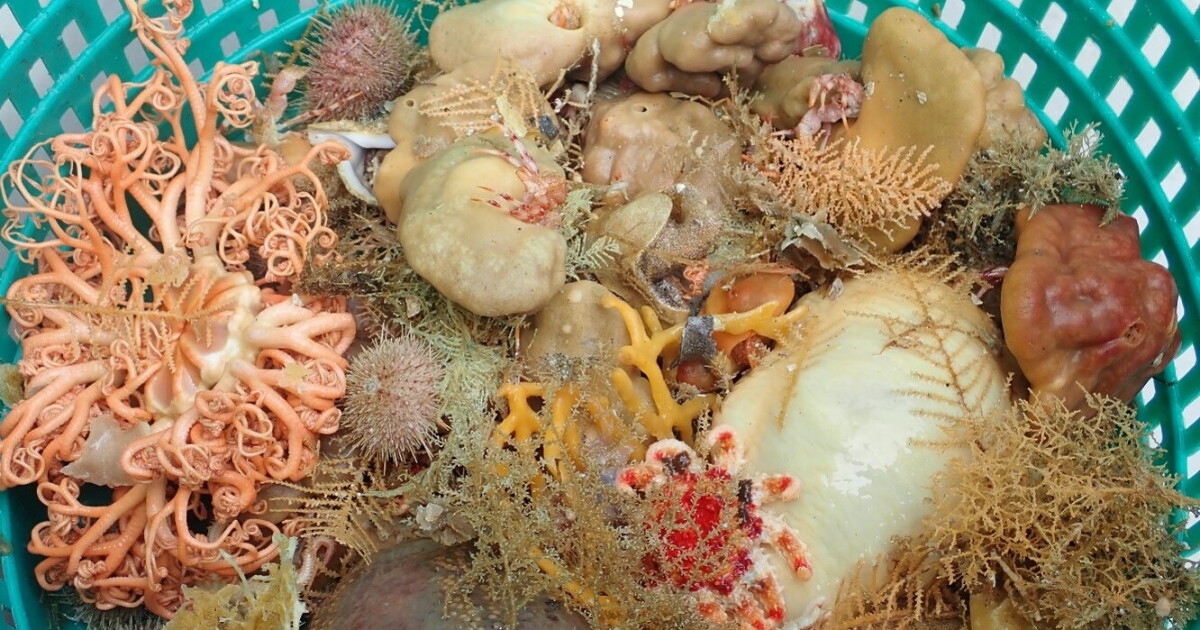
This summer, researchers discovered nine new species of deep-sea sponges off the coast of Alaska, with five found in the Aleutian Islands. Sean Rooney, a fish biologist with NOAA’s Alaska Fisheries Science Center, noted that sponges form the “structural backbone of the seafloor,” likening them to “underwater forests.”
Sponges, which lack brains or organs, play crucial roles for groundfish and crabs by providing shelter, protecting eggs, and concentrating food sources. Additionally, their natural defense chemicals might have potential medical benefits for humans.
Rooney and his team published two studies in Zootaxa, classifying the nine new sponge species collected during trawl surveys dating back to 1997. Their identification process involved examining the sponges’ skeletons, made of needle-like structures called spicules, and conducting DNA analyses for clearer classifications.
With the new discoveries, Alaska now hosts 232 known sponge species, with the Aleutian Islands recognized as a hotspot for sponge biodiversity. Rooney emphasized that gathering data through these surveys is essential for sustainable fisheries management: “You can’t protect or manage something you haven’t named or identified.” This foundational work aids in mapping fragile seafloor habitats and helps resource managers safeguard critical fish habitats.


