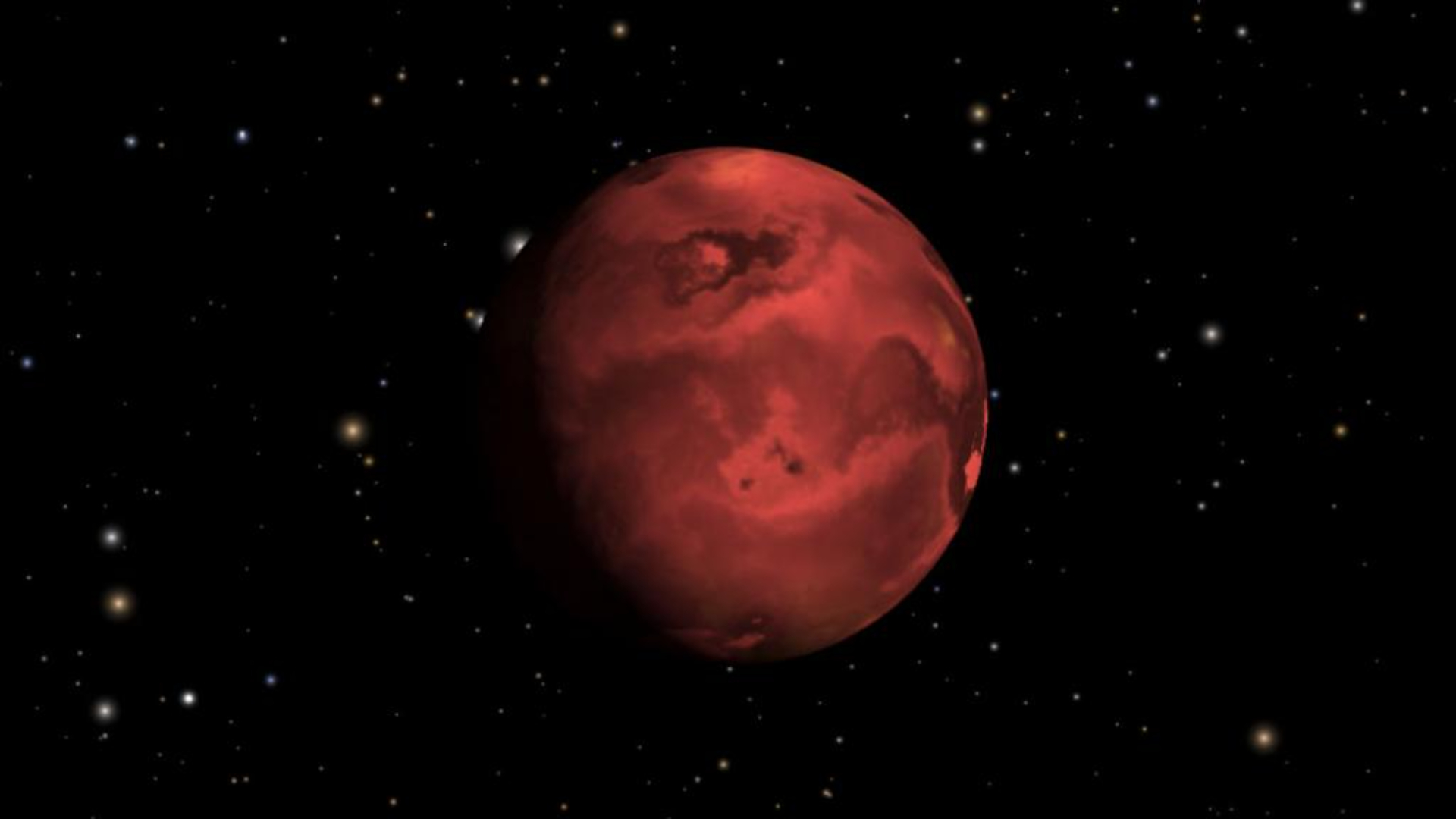
Discovery of a Unique Cold Lava World: HD 3167 b
Scientists have recently identified an intriguing new planet, HD 3167 b, which challenges previous understandings of lava worlds. This rocky super-Earth is not only covered in lava but also holds the title for being the coldest lava world known to have an atmosphere.
Key Features of HD 3167 b
- Location: Approximately 154 light-years away from Earth.
- Orbit: It orbits its host star closely, completing a full revolution in just one Earth day.
- Atmospheric Presence: Despite the high-energy environment, HD 3167 b has managed to retain its atmosphere.
Surprising Findings
Lead author Brandon Park Coy notes that HD 3167 b exhibits temperatures significantly cooler than what was expected for a planet in such a close orbit. The atmosphere reflects light from its star, effectively redistributing heat to the nightside of the planet.
Implications
- Atmospheric Retention: It was previously believed that rocky planets within close proximity to their stars would struggle to maintain atmospheric conditions due to intense stellar winds and radiation. Yet, many lava worlds like HD 3167 b have atmospheric presence.
- Insights Into Planetary Formation: This anomaly raises questions about how such atmospheres form and persist under extreme conditions.
Research Techniques
Researchers utilized the James Webb Space Telescope, particularly its MIRI (mid-infrared instrument) capabilities, to observe this planet during a “secondary eclipse.” This method allowed detection of mid-infrared light variations, essential for estimating temperatures and confirming the atmosphere’s presence.
Broader Research Context
This discovery is part of a larger initiative by Megan Weiner Mansfield from the University of Maryland, examining various lava worlds. Understanding the atmospheric conditions of HD 3167 b and similar planets may provide valuable insights into the environments of early Earth when it underwent a magma ocean stage.
Future Exploration
While HD 3167 b is an inhospitable rocky world, studying such planets broadens our understanding of the processes that could apply to potentially habitable planets. Researchers aim to explore the connectivity between lava worlds and the development of atmospheres, enhancing knowledge of life’s potential in the universe.


