Sure! Here’s a summary of the travel article:
This Week in Travel
-
Noise in Hotels: A discussion on how hotels are struggling to address noise complaints from guests, which is a major concern for travelers seeking peace.
-
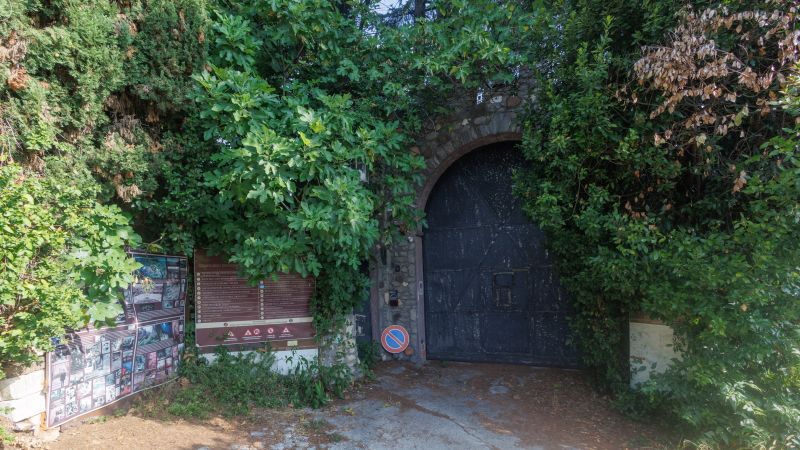
Fake Tourist Attractions: The article highlights a case in Northern Italy where an “ancient” amphitheater was found to be a fraud, leading to legal actions against its creator.
-
Historical Fictions: It references Juliet Capulet from Shakespeare’s Romeo and Juliet, noting how Verona capitalizes on her fictional presence by promoting related tourist attractions like Juliet’s balcony.
-
Faux Historical Villages: In China, tourists are flocking to recreated historical sites that are visually appealing for social media despite lacking authenticity.
-
AI Travel Hoaxes: A peculiar incident in Tasmania saw tourists drawn to nonexistent hot springs, which were later revealed to be an AI-generated illusion.
-
Luxury in Isolation: Travelers are increasingly opting for locations like Bawah Reserve in Indonesia, set on a private island, to escape the hustle and bustle of modern life.
-
The Patel Motel Story: A documentary focusing on Indian immigrants with the last name Patel, who have significantly influenced the motel industry in the U.S.
-
Cool Neighborhoods: Time Out announced Seoul’s Jongno 3-Ga as the world’s coolest neighborhood, attracting attention for its unique charm.
-
Cultural Insights in Mongolia: The article touches upon Mongolia’s unique throat singing culture, inviting readers to explore beyond classic tourism.
This overview encapsulates the article’s main themes regarding travel trends, experiences, and challenges faced by tourists and hospitality providers.