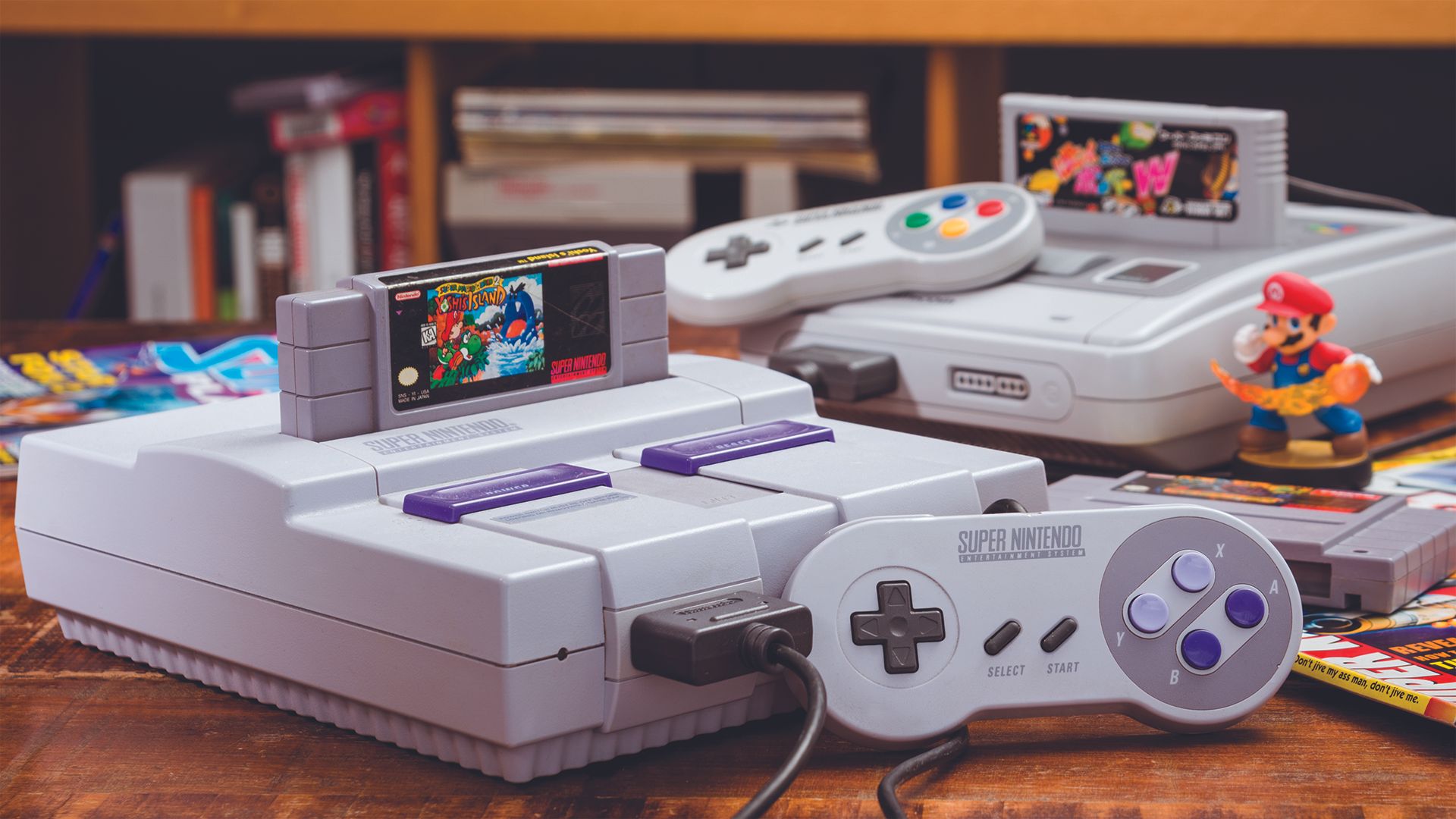
The concept of a “physical game” has evolved significantly, especially as digital distribution becomes more prevalent. In the past, a physical game was simply a box containing a disc or cartridge. However, the landscape is changing towards a future where the definition of “physical” might be more complex.
As companies like Sony push for a digital-only future, the traditional physical game might be replaced or supplemented by new forms such as download codes or Game-Key Cards that require software from a server. Despite the growth of digital sales, there is still substantial consumer interest in tangible products. Research shows that a significant portion of gamers still prefer physical media for reasons like ownership and the ability to resell.
The analysis by industry experts indicates that while the physical game market may decline, it will not disappear entirely. Factors influencing this include the desire for ownership and the resale potential of physical copies. Companies might shift towards offering packaged digital codes in attractive formats, appealing to both collectors and mainstream consumers.
The relationship consumers have with what constitutes physical ownership is shifting as well. For instance, Game-Key Cards allow for more traditional forms of lending and resale compared to simple download codes that tie content to an account.
Looking ahead to 2030, the term “physical game” may not denote the presence of a disc at all. Instead, it might encompass anything that grants access to a game, whether in a box or as part of a digital file. The real question could become about the rights and freedoms associated with that purchase—like the ability to lend, resell, or access the content in the long term—rather than just whether the game is “physical.”
Ultimately, as the industry evolves, the meaning of physical ownership may increasingly hinge on the benefits and functionalities that accompany the game rather than its physical form.