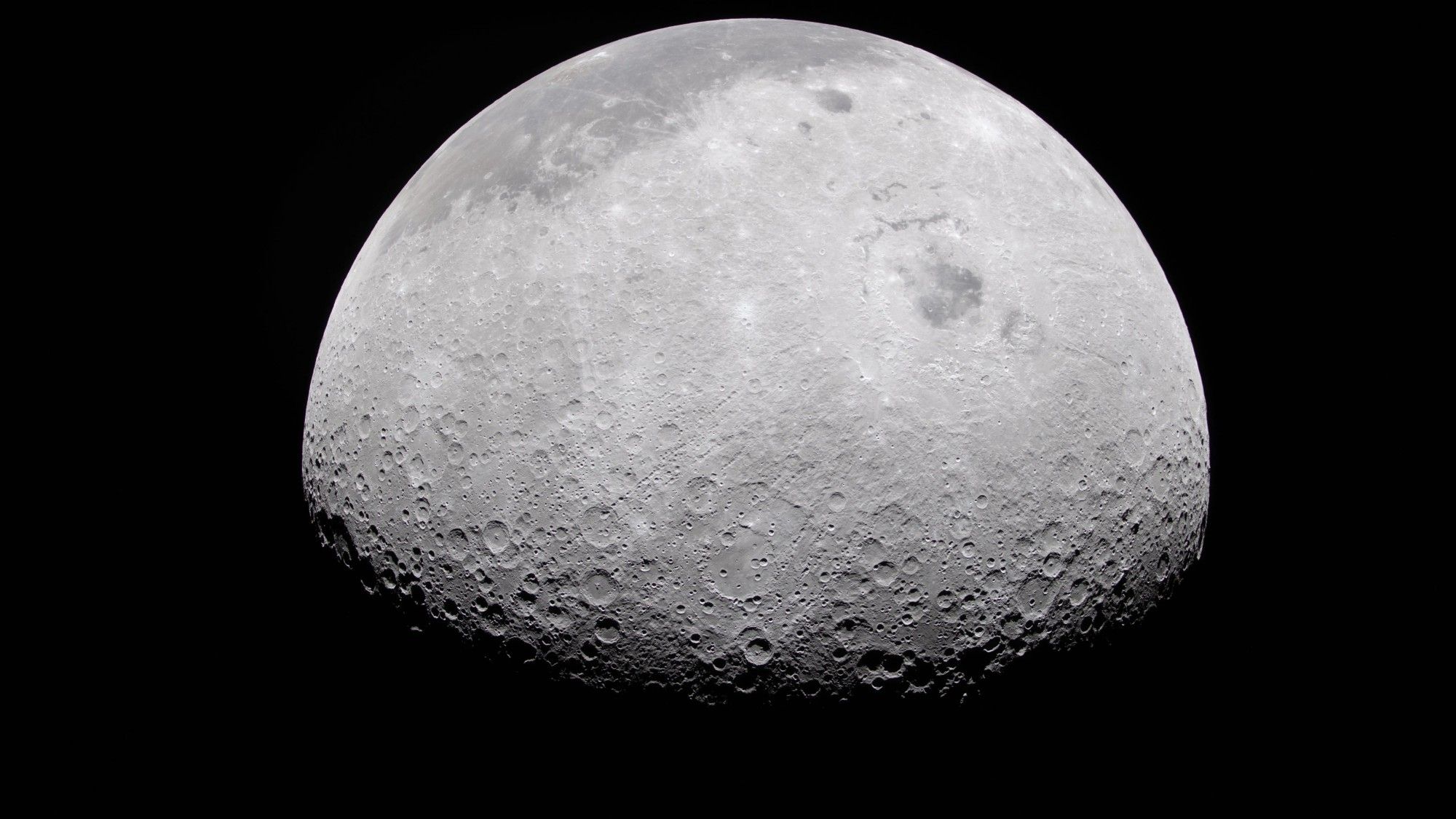
NASA has extensive data on the moon from decades of missions, notably from the Lunar Reconnaissance Orbiter (LRO), which holds more data than all other NASA planetary missions combined. To analyze this vast amount of information efficiently, NASA and IBM have developed the AI model called the NASA-IBM Lunar Foundation Model. This open-source model, announced on September 10, is available for free on Hugging Face.
Kevin Murphy, NASA’s chief science data officer, emphasized the need to make scientific data more accessible. The AI can assist in mapping craters, locating young volcanic features, and identifying possible water ice near the lunar poles.
This initiative is part of a broader trend of utilizing AI in planetary science to enhance productivity, reduce costs, and improve workflows. Murphy highlighted the potential of AI to transform massive datasets into new discoveries, demonstrating the capabilities of the NASA-IBM Lunar Foundation Model, which was primarily trained on LRO imaging data captured over 17 years.


