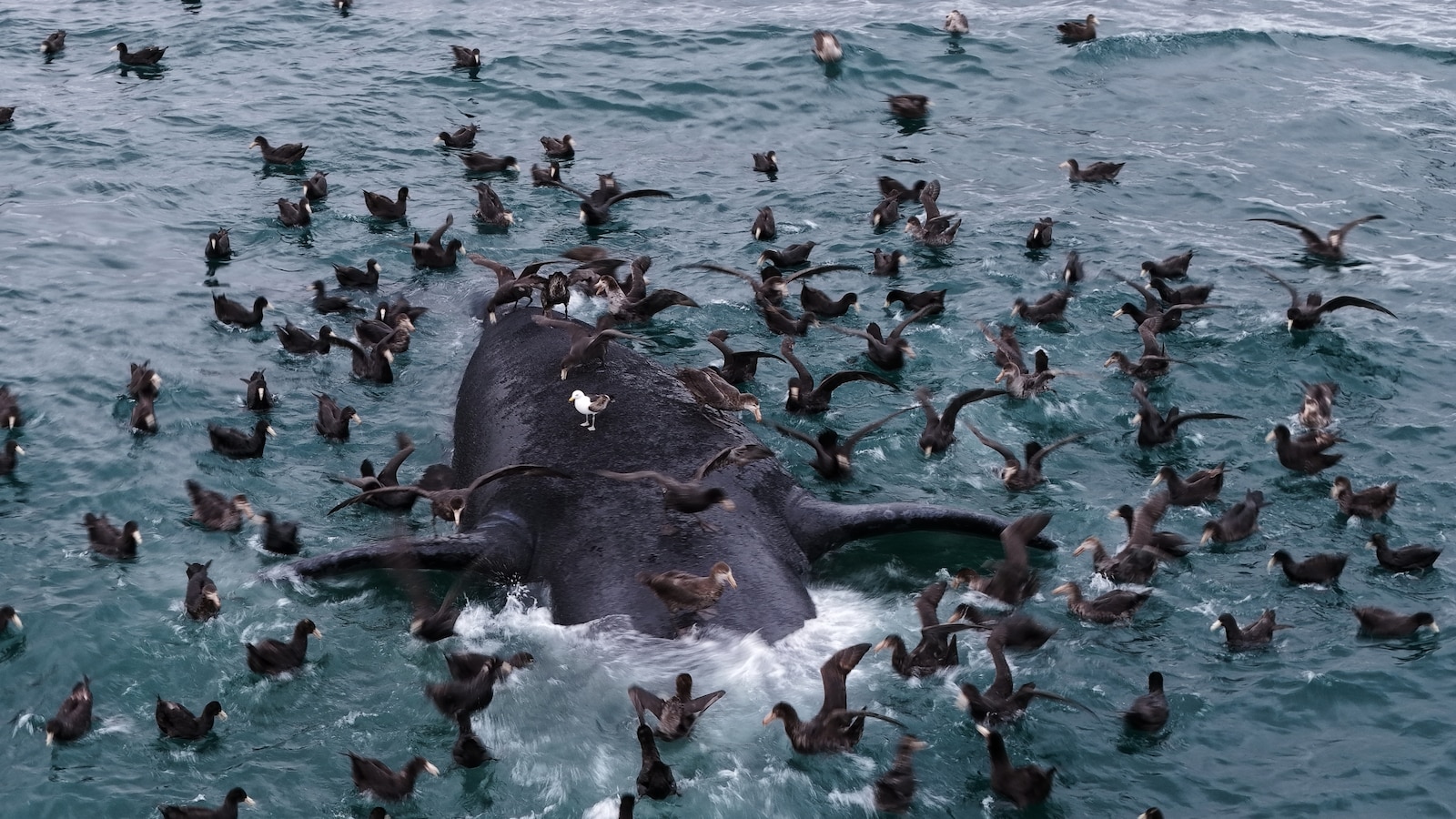
Whale Calf Deaths in Argentina: Investigators Seek Answers
In Peninsula Valdes, Argentina, an alarming number of baby whales have been washing up dead along the Patagonian coast. This area serves as a critical breeding ground for southern right whales, which have been recovering since facing near extinction due to hunting in the 19th and 20th centuries.
Unusual Mortality Event
Veterinarians, including Marcela Uhart from the University of California, Davis, are examining the situation based on over two decades of monitoring. The high number of calf deaths is considered unusual.
The leading theory is that these calves are contracting infections from marine bacteria, likely introduced through injuries from kelp gulls. These seabirds typically attack the calves, who are unable to protect themselves as effectively as adult whales.
Ongoing Investigation
The carcasses, notably around Puerto Madryn, have prompted investigations. While locals report hundreds of dead calves, researchers have not yet provided an official death toll, which they plan to assess after the season concludes in late November.
The research team is utilizing various methods—including boats, drones, and planes—to locate and analyze the bodies. Samples are taken for testing, and bacteria have already been detected in some tissues, but further culturing is needed to determine the specific cause of death.
Contributing Factors
Researchers are also exploring environmental factors that might have intensified the situation. Changes in climate, including rising sea temperatures possibly linked to climate change and El Nino, could be creating conditions that allow harmful bacteria to thrive and overwhelm the calves’ immune systems.
Future Implications
Despite illegal whaling practices continuing into the 1970s, the southern right whale population has gradually increased since gaining protections in 1935. However, ongoing threats—such as food scarcity, entanglements, and ship strikes—continue to hinder their recovery.
If mass calf deaths continue, it could stall efforts to restore the population. Uhart emphasizes the importance of identifying the root causes of these deaths, especially if they stem from human actions: “If the cause relates to something that we are doing as humans, then we need to change that.”
Through this research, scientists hope to implement strategies that will safeguard the vulnerable southern right whale population for the future.


