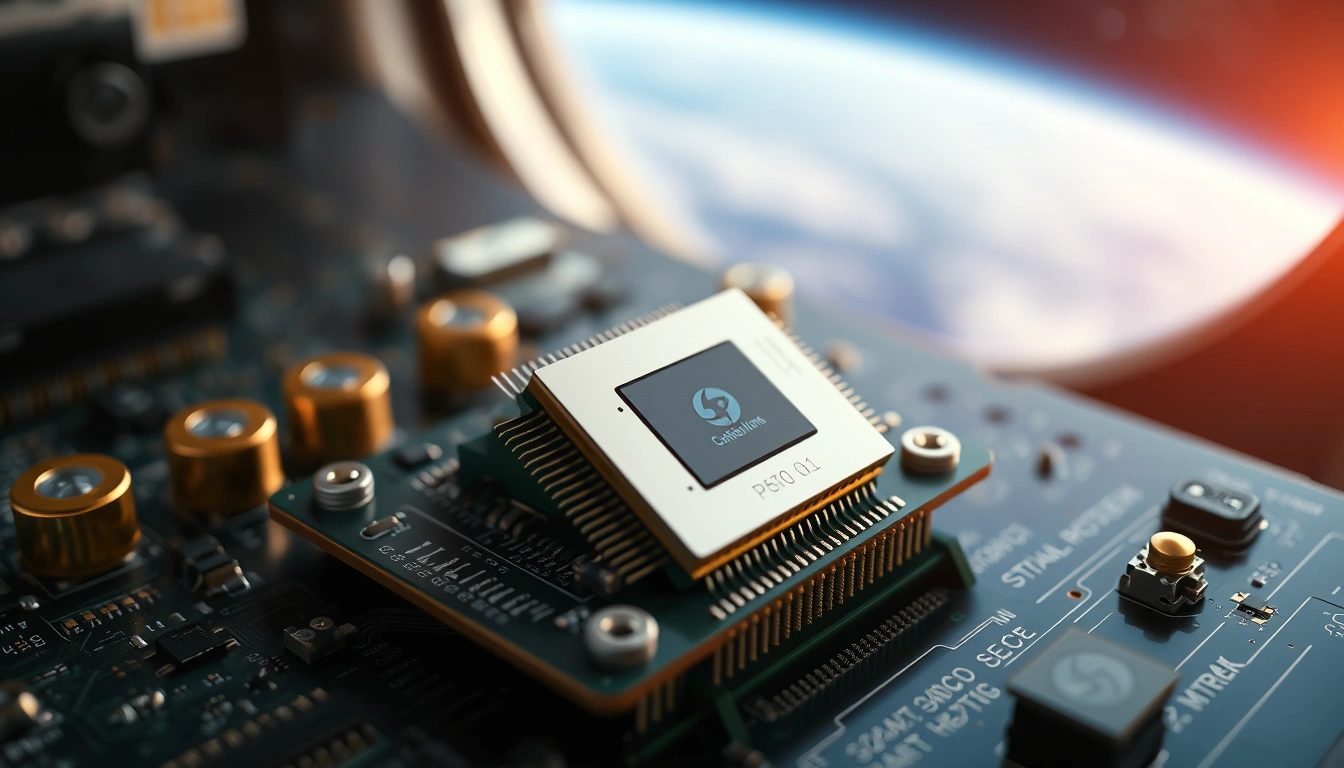
AMD is expanding its boundaries by sampling the Versal AI Core XQRVC1902, a new adaptive SoC designed specifically for space applications. This move indicates a shift in focus towards enhancing onboard computing for satellites, rovers, and deep-space probes, recognizing space as a vital frontier for technology beyond mere defense contracts.
Key Points of the Announcement
- Enhanced Space-Grade Package: The XQRVC1902 comes in a special lidless package, built by AMD to withstand the unique stressors of space, including extreme temperature variations and radiation exposure.
- Target Mission Lifespan: Designed for missions lasting up to 15 years, targeting the operational life of geostationary satellites and planetary exploration missions.
- Sampling with Early Access Customers: While AMD has not disclosed specific customers, it has begun sampling the hardware to select early adopters, with fully qualified units expected by the second half of 2027.
- Technical Specs: The chip operates within a wide temperature range of -55°C to +125°C, highlighting its durability.
Strategic Context
AMD’s entrance into the space-grade hardware market diversifies its offerings amidst competition from Nvidia in the AI sector. Unlike traditional consumer chips, the space-grade silicon market operates under different metrics, emphasizing durability and reliability over raw performance. This strategic pivot may allow AMD to carve out a niche, leveraging its acquisition of Xilinx to bolster its capabilities in this area.
Competitive Landscape
AMD is joined by companies like Google and SpaceX, both exploring opportunities in orbital computing. AMD’s focus, however, is on creating purpose-built chips that meet the rigorous demands of long-term space missions.
Implications for the Market
The space-grade silicon market is relatively small, yet it plays a crucial strategic role by establishing long-term relationships with government and defense organizations. The transition of AMD into this space indicates potential growth opportunities and expanding capabilities for the future.
Conclusion
AMD’s Versal AI Core XQRVC1902 presents a significant advancement in space technology, addressing the need for reliable and robust semiconductors in environments where failure is not an option. As the aerospace sector continues to evolve, AMD’s innovations may pave the way for future developments in intelligent space exploration.


