The Critical Role of Air Cargo in Automotive Supply Chains
Introduction
In the fast-paced world of automotive manufacturing, time is of the essence. A timely delivery of parts can mean the difference between a fully operational plant and a costly downtime. This is exemplified by the case of a German car plant facing a dire shortage of automotive components that were stuck in Bulgaria.
Just-in-Time Production Challenges
Just-in-time (JIT) production systems leave little room for error. The intricate sequence of operations means that a delay at any point can halt the entire assembly line. According to the Siemens True Cost of Downtime report, an hour of idle time at a major automotive plant can cost up to $2.3 million.
Isidro Nuñez Oñate, Senior Manager of Cargo Charter at Chapman Freeborn, highlights how minor setbacks, such as a delivery truck breakdown or defective parts, can cascade into larger issues, ultimately freezing production and escalating costs.
Last-Minute Decisions
Automotive manufacturers often experience urgent transportation needs, ranging from last-minute requests to planned orders made just a couple of days in advance. Often, the decision to charter an aircraft occurs just before the production line is set to halt.
In such cases, logistics teams must evaluate all feasible options, including:
- Next Flight Out
- On-board Courier
- Scheduled Airfreight
- Dedicated Road Transport
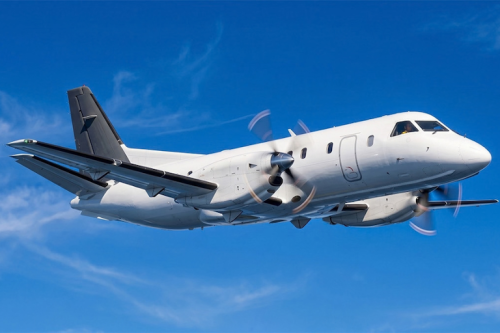
- Aviation Charter
When standard services fall short, a dedicated charter becomes a viable solution.
Cost Considerations
Nuñez Oñate emphasizes that the real costs often lie not in the transport itself but in the consequences of delays. The cost of chartering an aircraft must be evaluated against the much higher potential losses from a production stoppage.
For instance, in the Bulgarian scenario, the shipment was swiftly transported from the supplier to Sofia Airport and then flown to a regional airport near the German plant, where final delivery was coordinated to avoid any production lag.
Complexities with Electric Vehicles
The rise of electric vehicles (EVs) brings additional complexities to logistics, particularly related to dangerous goods regulations for certain components. However, the urgency of automotive shipments remains unchanged.
External Disruptions
Factors like strikes, severe weather, and transportation disruptions can severely impact the automotive supply chain, often with little notice. Countries like Tunisia and Morocco, which host a robust automotive supplier base, face challenges from disruptions in ferry and road transport, emphasizing the critical nature of alternatives like air freight.
Proactive Responses
Despite ongoing challenges, many emergency requests are reactive rather than preemptively planned. Effective supply chain management focuses not only on anticipating shortages but also on ensuring quick responsiveness with multiple transport options at the ready.
Conclusion
In the automotive industry, the interplay of logistics, supply chain management, and real-time decision-making is paramount. Ensuring timely deliveries via air cargo is not just about moving parts—it’s about keeping production lines running smoothly and minimizing costly downtimes.

