The Future of Train Travel: Maglev and Hyperloop Innovations
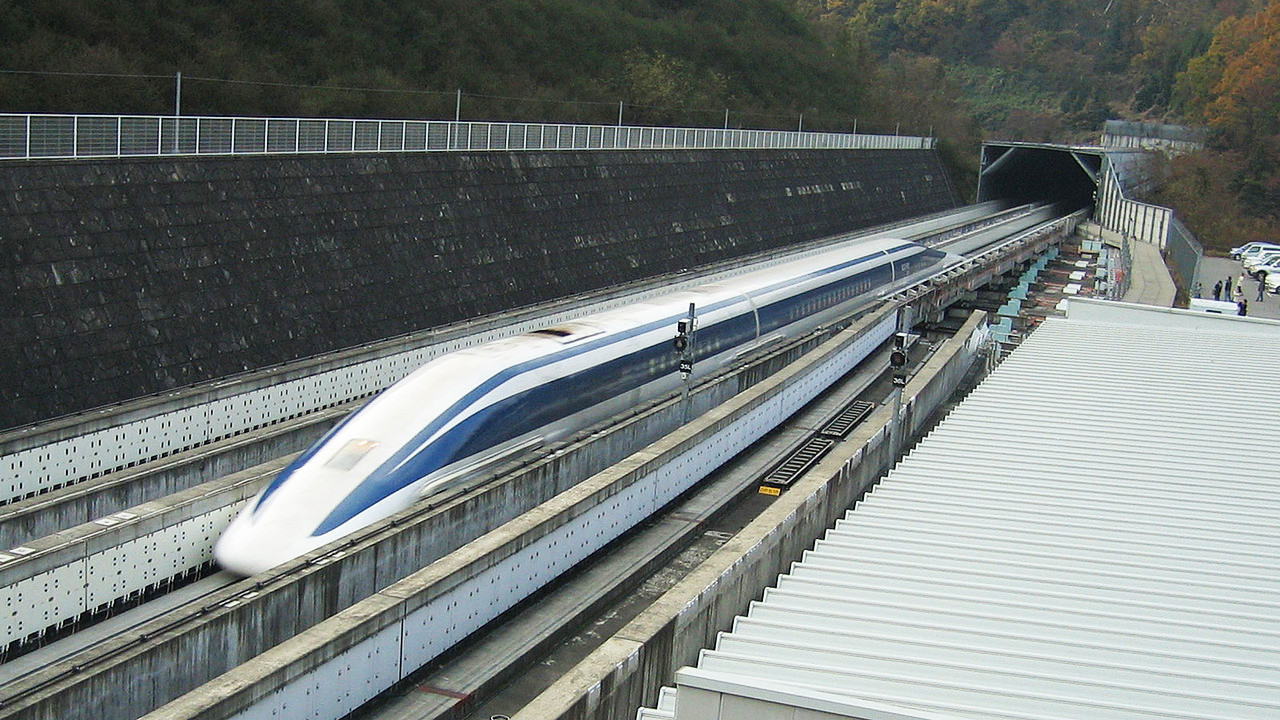
Japan, known for pioneering the bullet train, is stepping up its game with plans for a revolutionary maglev train capable of reaching speeds of 300 mph—100 mph faster than current models. This megaproject will connect Tokyo and Osaka over 315 miles at an estimated cost of $64 billion and is expected to be completed by 2045.
High-speed rail has significantly transformed transportation globally. For example, China’s maglev train already achieves speeds of 270 mph. The advent of “hyper-speed” travel is on the horizon, with Elon Musk’s concept of the Hyperloop aiming to transport passengers from San Francisco to Los Angeles in just 30 minutes, boasting advantages like safety, immunity to weather, and solar power functionality.
Magnetic levitation (maglev) technology in trains has been discussed in scientific circles for decades. As early as 1972, physicist R.M. Salter proposed an ambitious underground system that could ferry people from Los Angeles to New York City in just 21 minutes, utilizing electromagnetically levitated vehicles in a vacuum. This concept, the Very High Speed Transit System (VHST), could drastically reduce travel time and eliminate challenges like sabotage and noise pollution.
However, Salter noted that political and financial hurdles often impede the realization of such visionary projects. Despite President Obama’s 2009 proposal to enhance U.S. high-speed rail infrastructure, the American system has lagged behind nations like Japan, which are already pushing the boundaries of speed.
The potential of hyper-speed rail provokes questions about its impact on urban landscapes and societal structures. Envisioning the future of transportation invites new considerations for infrastructure and connectivity among cities.
For further reading on maglev trains and advancements in rail travel, explore the references linked throughout the article. What are your thoughts on the future of transport?