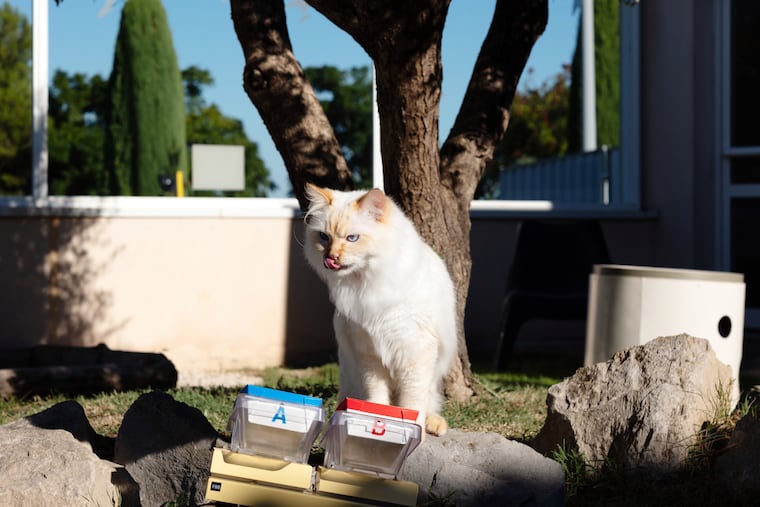
The article highlights the innovative approaches that pet food makers, specifically Royal Canin, are employing to understand and cater to the dietary preferences of cats. Set in Aimargues, France, the Royal Canin pet center features research that includes measuring cats’ food preferences through tasty tests.
Key points include:
-
Research Investments: Royal Canin and other companies are investing in understanding the palates of pets, driven by a growing market as pets are increasingly viewed as family members.
-
Focus on Aging Pets: With many pandemic pets aging, there’s a focus on developing foods that help with joint health, muscle strength, and cognitive function. Royal Canin offers specialized diets for senior cats.
-
Increasing Prices: Despite inflation affecting consumer prices, the pet food market continues to thrive, with sales reaching over $17 billion in cat food alone in the U.S. last year.
-
Taste Testing: Cats are studied for their selective eating habits, which require more scientific focus. Taste preferences are pivotal, including understanding why cats enjoy certain flavors like tuna.
-
Quality Control: Research includes monitoring the behavior and health of cats and dogs participating in tests, focusing on their energy levels and digestion.
-
Consumption Preferences: The article also touches on the differences in food consumption as cats age, leading to innovations that mask bitterness and enhance taste to keep them interested.
In summary, the article illustrates a significant investment in pet nutrition research and development, driven by the evolving perception of pets’ roles in families, particularly as they age.