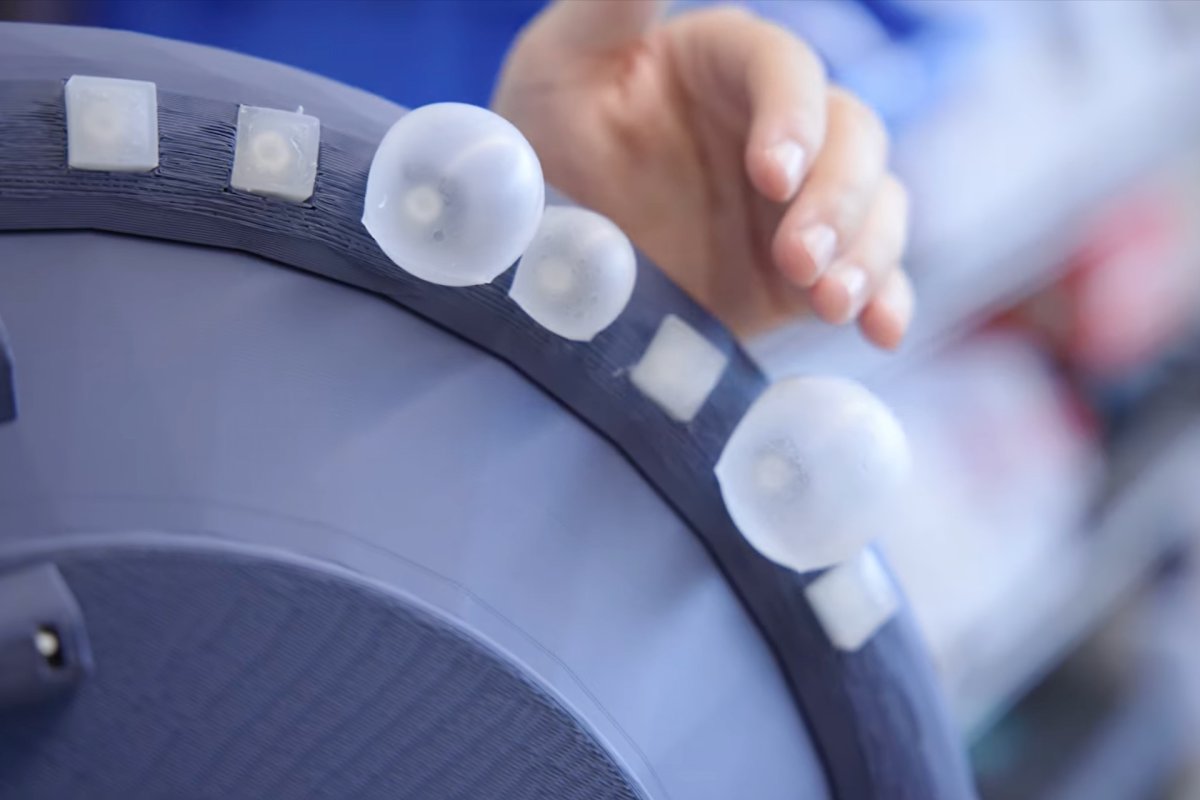
The road to fully autonomous driving is a long one. Until we reach that destination, driver-assistance systems will continue to require an attentive driver. The ambiguity of humans and machines sharing control can lead to tragic consequences. Researchers at the University of Michigan are exploring ways to minimize this uncertainty, though their approach is somewhat unsettling.
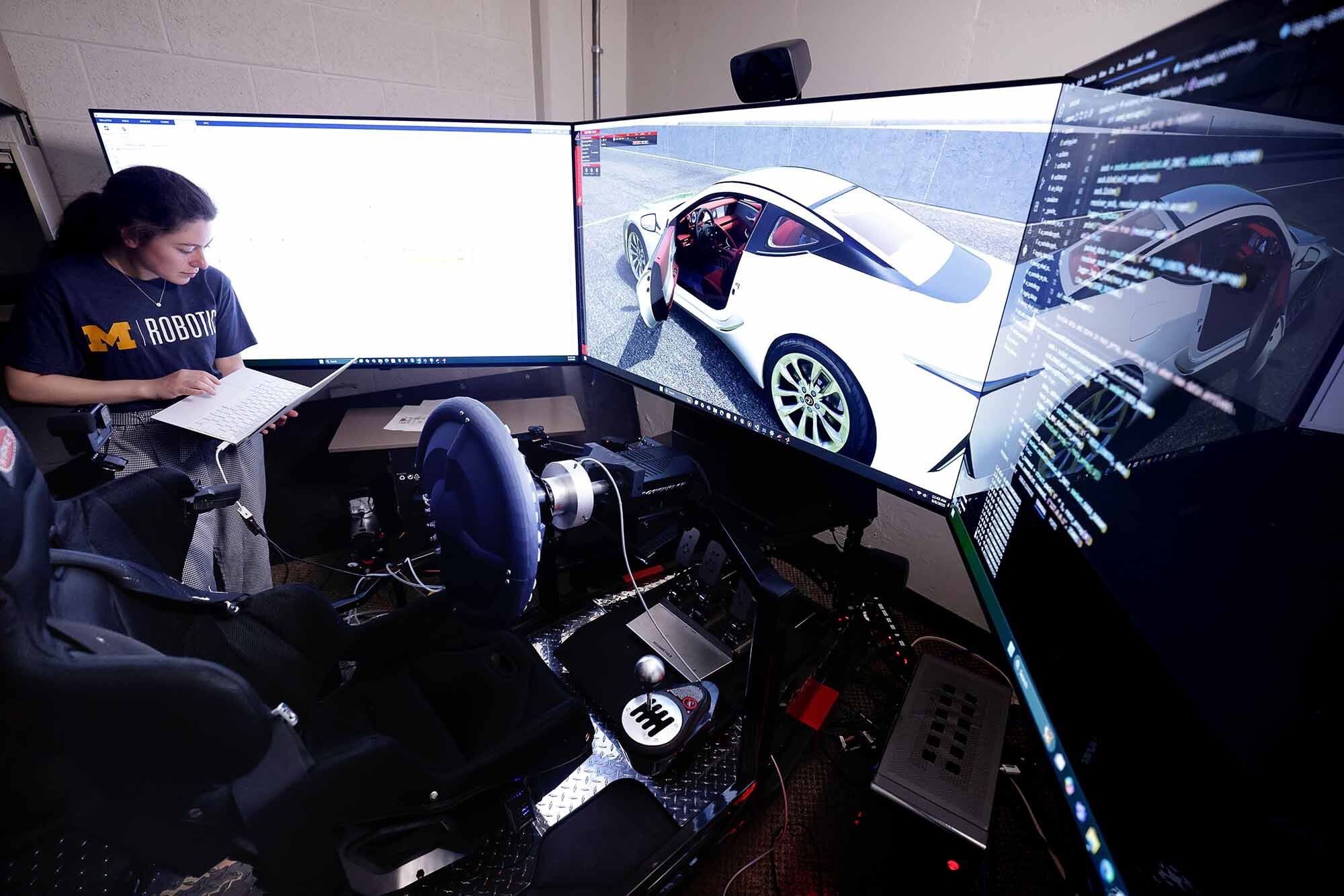
Collaborating with the Toyota Research Institute, they developed a steering wheel featuring air sacs that inflate or deflate to communicate the vehicle’s intentions to the driver, allowing feedback from the driver. This design aims to minimize the struggle for control, though the visual effect of the wheel “breathing” can be off-putting.
The air sacs create “haptic zones” at the 10 and 2 o’clock positions where drivers typically place their hands. If the semi-autonomous system intends to steer left, the left-side sacs inflate. The driver can push down to deflate them, preserving their control. If the system still believes that a left turn is required, it will send air pulses that the driver can feel.
Researchers posit that this method of feedback surpasses traditional warning systems like lights and chimes, facilitating two-way communication, allowing the driver more options than simply overriding the system or letting it function autonomously.

A steering wheel you can squeeze to talk to your car’s autonomous features
In simulation tests, drivers were better able to navigate turns, braked less, and reported lower physical demands and frustration. They also tended to regain trust in the system post-error, although some grew overly reliant.
As humans and semi-autonomous systems coexist, two-way communication seems essential. Whether this specialized hardware is necessary remains debatable. For instance, Mercedes’ new MB.Drive Assist Pro simply accepts control inputs like a steering wheel tug or brake tap without completely disengaging, which presents a simpler, less unsettling method.

