Review of The Breadwinner: A Comedy with Outdated Messages
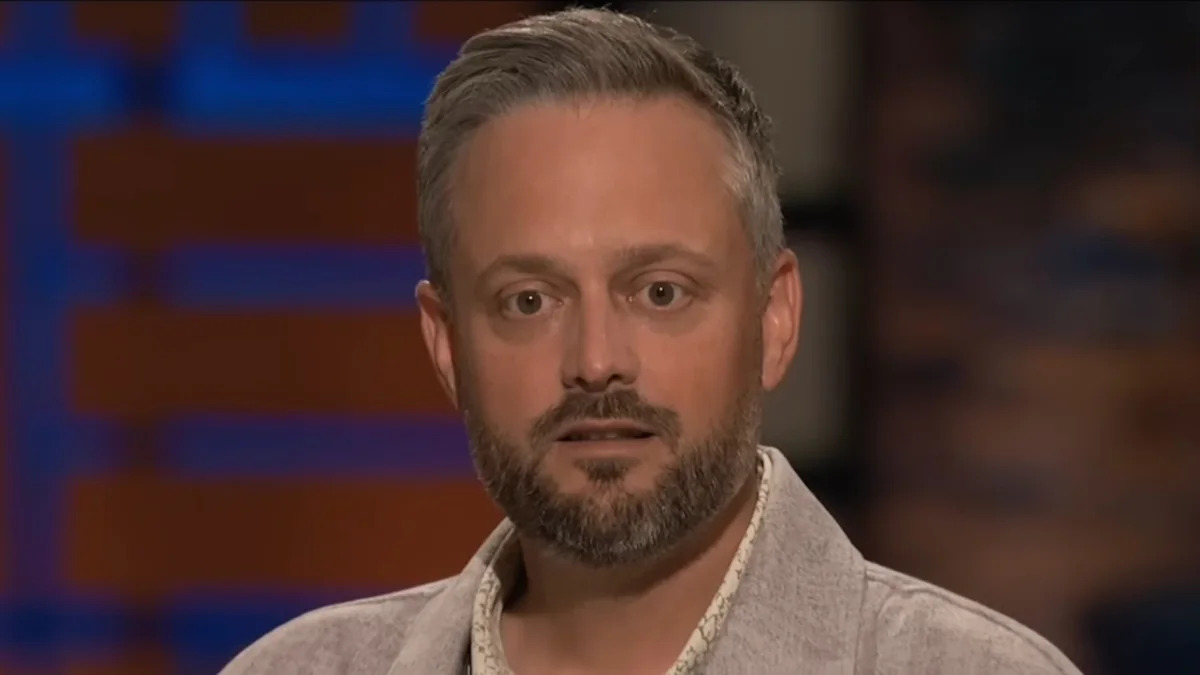
The Breadwinner, starring Nate Bargatze, has sparked mixed reactions, especially from parents watching with an eye on societal values. While some reviews hint at an underwhelming take on current family dynamics, the film manages to engage a young audience.
Outdated Stereotypes
The movie paints Nate’s character as a father who is completely oblivious to household duties and his children’s lives. Set in 2026, it’s jarring to see a dad portrayed as a “man-child” who can’t handle basic chores or even engage meaningfully with his kids. This often feels unrealistic and infuriating for anyone already in the parenting trenches.
Comedy vs. Reality
Some argue that the film’s comedic lens justifies these stereotypes; however, it falls short of recognizing more modern, equitable roles within the family. The repeated jokes about Nate’s incompetence regarding his household responsibilities fail to critique the situation adequately, offering a narrative that could perpetuate harmful perceptions about gender roles for younger viewers.
A Missed Opportunity
The essence of comedy should indeed poke fun at reality. Yet, the film oddly perpetuates the message that men can remain clueless as long as they’re the primary earners. By the film’s conclusion, while Nate decides to take on more responsibility at home, it inadvertently implies that men must sacrifice professional success to contribute to familial duties.
Conclusion: A Call for Progress
Ultimately, while The Breadwinner may entertain some families, it risks normalizing outdated ideas about parenting and domestic roles. It’s crucial for media—especially comedies aimed at families—to reflect the evolving dynamics of modern households positively. As a father, this is a call for both creators and audiences to demand narratives that foster better life skills across genders, challenging stereotypes that should no longer define fatherhood.
The Breadwinner is now streaming on Netflix, and while there are some redeeming moments, it leaves room for thought on what kinds of representation we choose to support in today’s films.