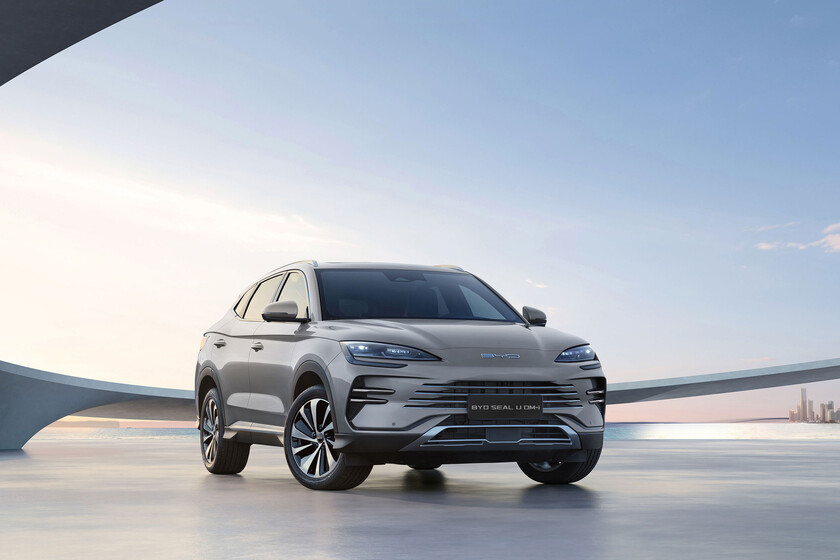
Hybrid Exports Capped
The European Union and China have reached an agreement in which China will moderate its exports of hybrid cars to Europe. This move is aimed at addressing the significant trade imbalance, with predictions that the agreement could reduce the volume of Chinese vehicles entering the European market by half. The deal came after discussions between EU Trade Commissioner Maros Sefcovic, Chinese Minister of Commerce Wang Wentao, and Vice Premier He Lifeng.
In addition to cutting back on hybrid car exports, China has agreed to streamline licenses for exporting rare earth minerals to Europe. Both parties are also negotiating lower tariffs, potentially easing the entry of Chinese electric vehicles into the EU market. The agreement aims to improve access for various EU products, such as automobile spare parts, olive oil, and footwear, with an export value nearing €4 billion.
Note: Some reports suggest that China may implement sales limits through company price obligations and minimum pricing.
Rare Earths and Tariffs
The EU and China have also established a framework to cut hybrid and plug-in hybrid exports by “more than half” over the next four years, a step towards correcting a trade deficit that reached €359.8 billion in 2025. The agreement introduces a “green channel,” facilitating export licenses for essential components like rare earths and magnets, which are crucial for microchips, batteries, and green technologies.
Expected annual savings from this deal include €225 million in duties for European footwear, olive oil, and spare parts companies. There are also commitments to ease access for EU cosmetics, medicines, and medical devices. This pact is pending formal ratification by EU leaders, with further negotiations scheduled for March.
Next Steps and Stakes
Maros Šefčovič has characterized the agreement as a vital first step towards trade rebalancing and emphasized the need for approval from European leaders at an upcoming summit in Belgium. He reassured that the aim is to avoid a trade war, highlighting the importance of genuine negotiation efforts.
The agreement sets a timeline for ongoing discussions, with further meetings between Šefčovič and Wang Wentao planned for January and March. The discussions are critical for Europe’s industrial reliance on rare earths and other raw materials, as the European Commission identifies 46 strategic projects aimed at enhancing the extraction, processing, and recycling of these crucial resources, including two initiatives in Spain.

