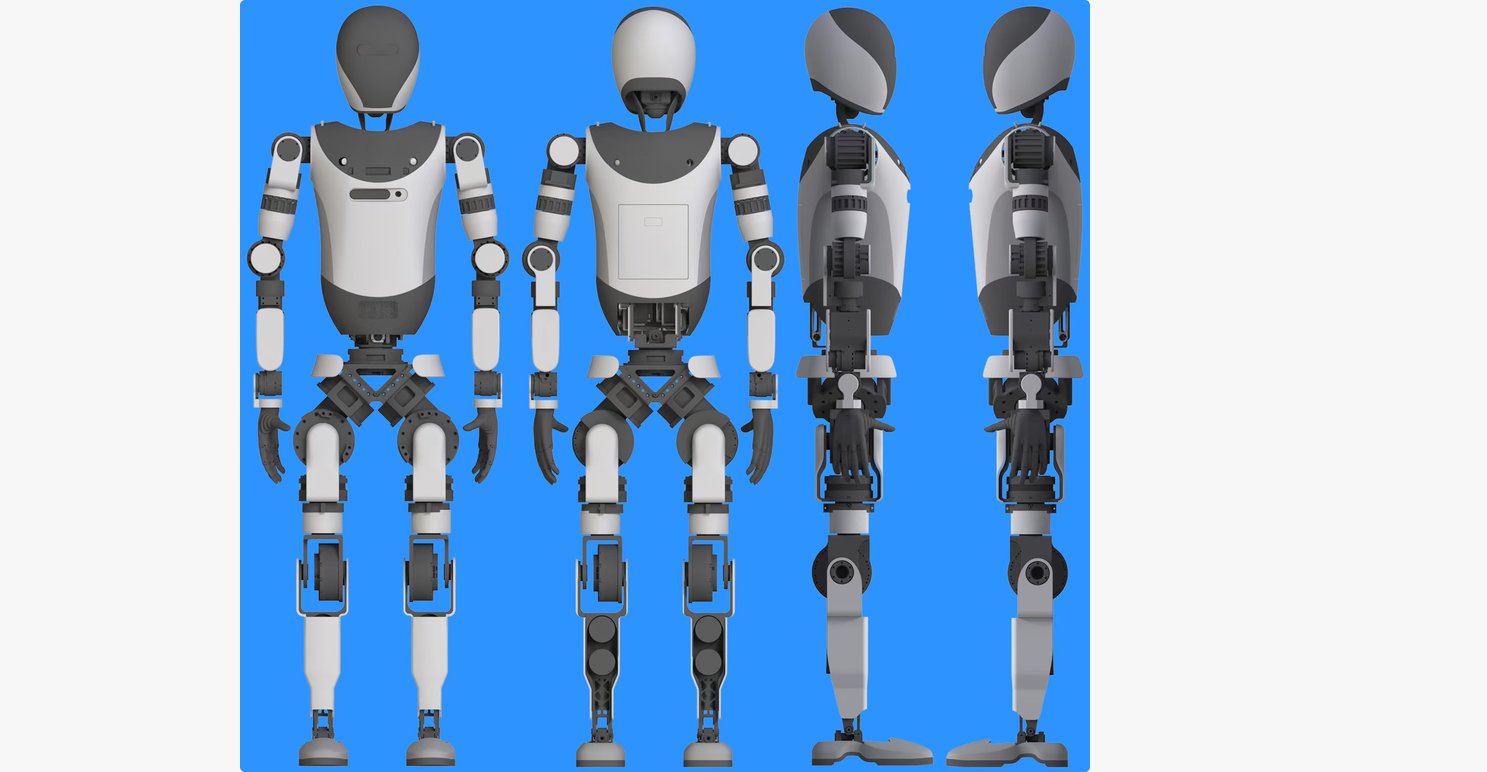
BYD has officially revealed its first self-developed humanoid robot design, as per a recent patent published by the China National Intellectual Property Administration on October 9, 2026. This robot is designed for various functionalities including service, education, and industrial applications.
### Design and Specifications
The robot showcases a sleek, anthropomorphic design with a black-and-white color scheme, featuring a rounded head without a display, and a body with numerous joints. It resembles the earlier teased “Xiao Di” model, although it’s unclear if this patent matches the final version of Xiao Di.
In terms of specifications, “Xiao Di” is about 1.61 meters tall and weighs 58.5 kg, equipped with 31 degrees of freedom and a highly dexterous hand that can accurately position within ±1 mm. This allows it to perform tasks like grasping objects and engaging in gesture interactions.
### Roadmap
BYD’s entry into embodied AI is a strategic move that began in 2022 with the establishment of a dedicated research team. The company aims to leverage its manufacturing capabilities to develop customizable robot hardware, focusing on improvements in perception and decision-making.
Furthermore, BYD has actively invested in robotics through partnerships and acquisitions, such as its investments in Agibot and Percibot. The company also utilizes its own factories for testing, including hosting Ubtech’s Walker S1 robot for various tasks.
Executives at BYD have hinted that these robots may soon be deployed in their dealership networks, where they would help with customer service tasks like greeting clients and explaining vehicle features.
### Conclusion
With these developments, BYD is paving the way for integrating humanoid robots into everyday business operations, enhancing customer interaction and support.

